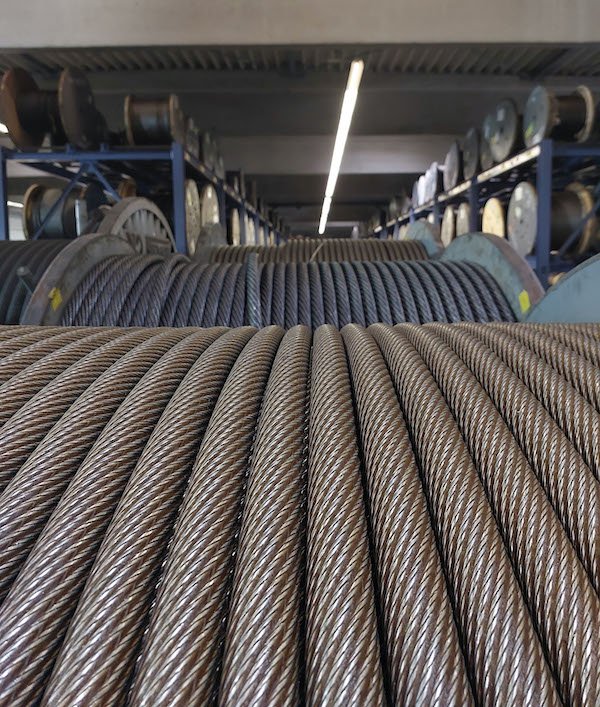
I struggled with broken ropes and delays. Choosing the right wire rope can prevent accidents and save costs fast.
The right wire rope depends on load, environment, and flexibility. Picking carefully prevents failures and improves safety.
I remember a project where a wrong rope nearly stopped operations. Learning how to select ropes changed everything, and I want to share these insights.
What Are the Main Types of Wire Ropes?
Understanding rope types makes selection easier. Each type serves a purpose.
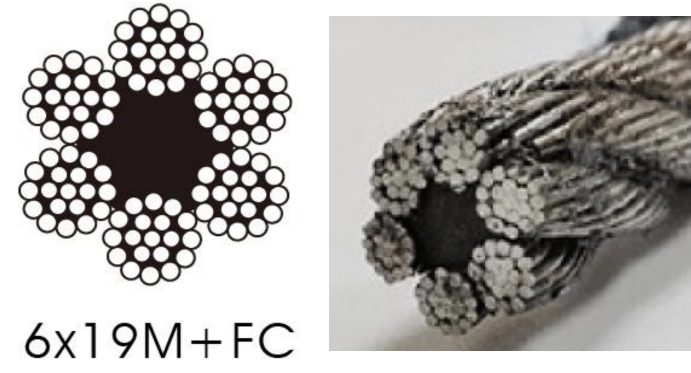
Wire ropes are mainly steel core or fiber core. Steel gives strength; fiber gives flexibility. Choose based on use and environment.
Steel Core vs Fiber Core
| Feature | Steel Core (IWRC) | Fiber Core (FC) |
|---|---|---|
| Strength | High | Medium |
| Flexibility | Low | High |
| Common Use | Cranes, elevators | Light-duty lifting, marine |
| Lifespan | Long | Shorter, may rot |
Steel core ropes handle heavy loads and last longer. Fiber core ropes bend easier and absorb shock. I often use steel core for cranes and fiber core for marine projects.
How Does Construction Affect Wire Rope Choice?
Rope construction defines flexibility and strength. I always check this first.
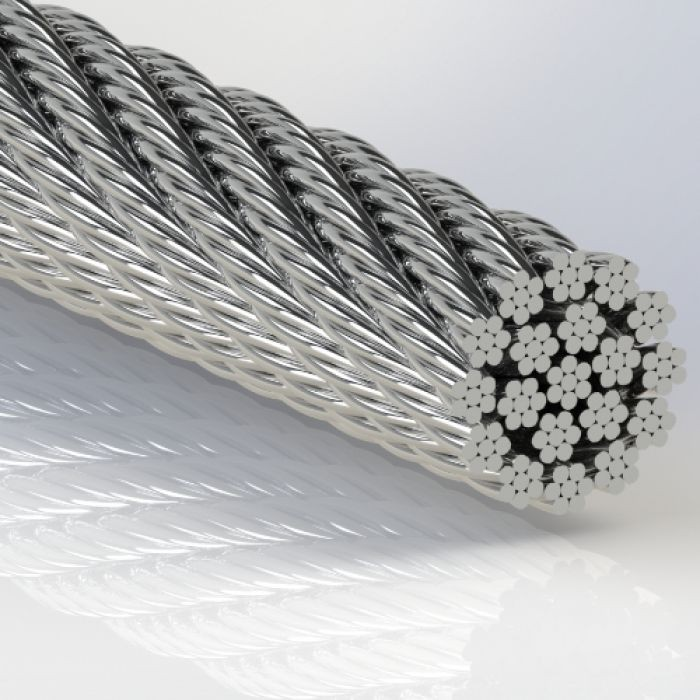
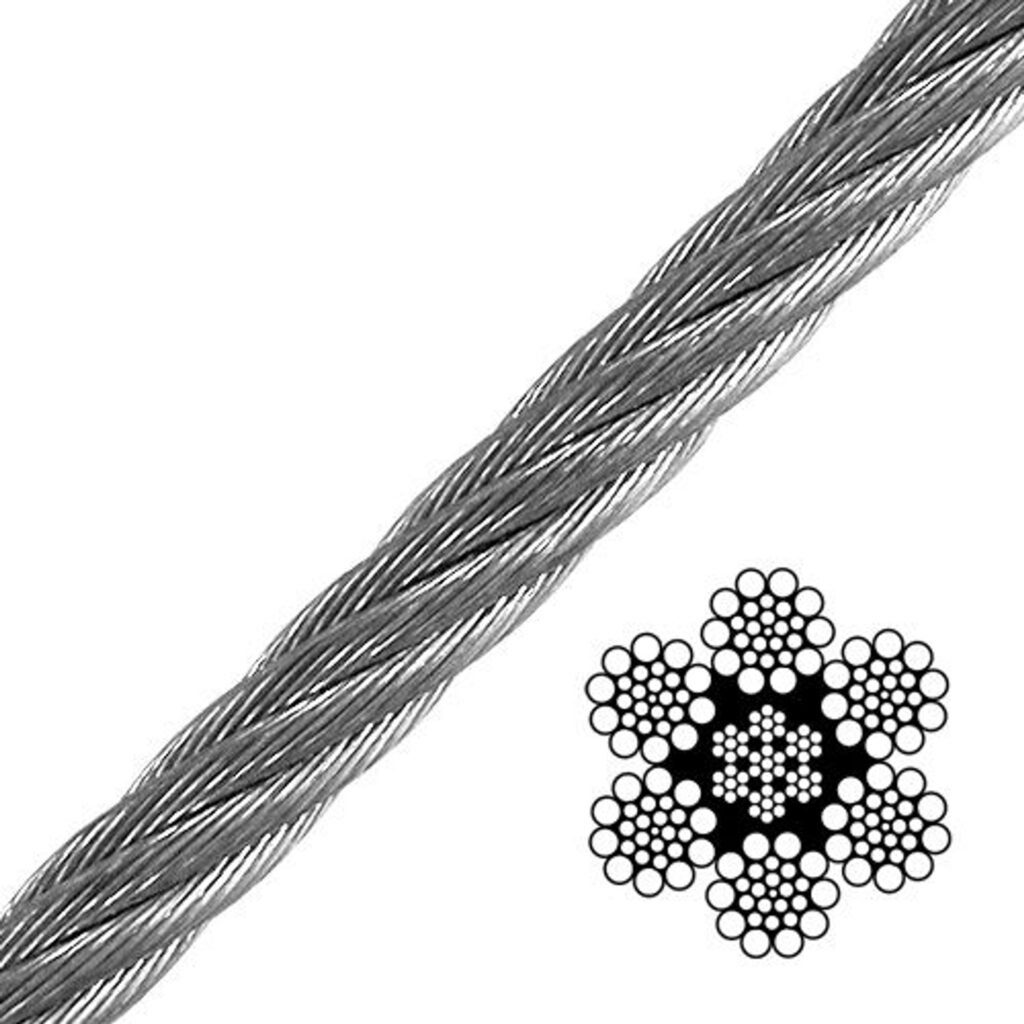
Construction like 6×19 or 7×7 impacts bending, wear, and load capacity. Matching construction to task is key.
Strand Count and Lay Patterns
| Construction | Characteristics | Best Use |
|---|---|---|
| 6×19 | More wires per strand, flexible | Cranes, hoists |
| 7×7 | Fewer wires, very flexible | Small lifts, pulleys |
| Regular Lay | Wires in same direction | General purpose |
| Lang Lay | Wires follow strand twist | Reduced wear on drums |
For example, I chose 6×19 for a heavy-duty crane and 7×7 for a pulley system. Observing lay patterns also extends rope life.
What Role Does Coating Play in Rope Performance?
Coating protects ropes from rust and wear. I rarely ignore it.
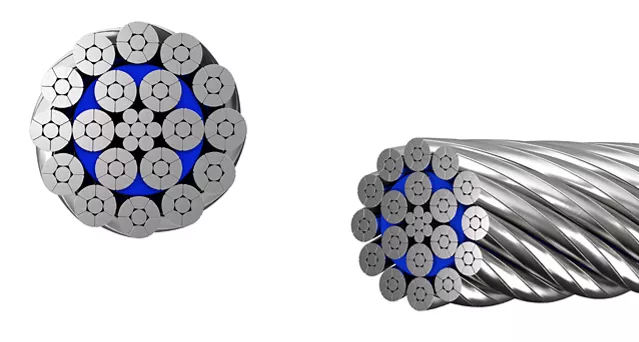
Galvanized or plastic-coated ropes resist corrosion. Marine and outdoor uses demand coated ropes for safety and longevity.
Galvanized vs Plastic-Impregnated Ropes
| Coating Type | Benefit | Drawback |
|---|---|---|
| Galvanized | Rust protection | Slightly reduced flexibility |
| Plastic-Impregnated | Long-term corrosion resistance | Higher cost |
In one marine project, galvanized ropes corroded slowly over years, while plastic-impregnated ropes lasted much longer. I now choose coating based on exposure.
How to Match Wire Rope to Load and Safety Requirements?
Safety starts with the correct load rating. I always calculate max load first.
Check rope’s breaking load, safety factor, and load type. Overloading reduces life and risks accidents.
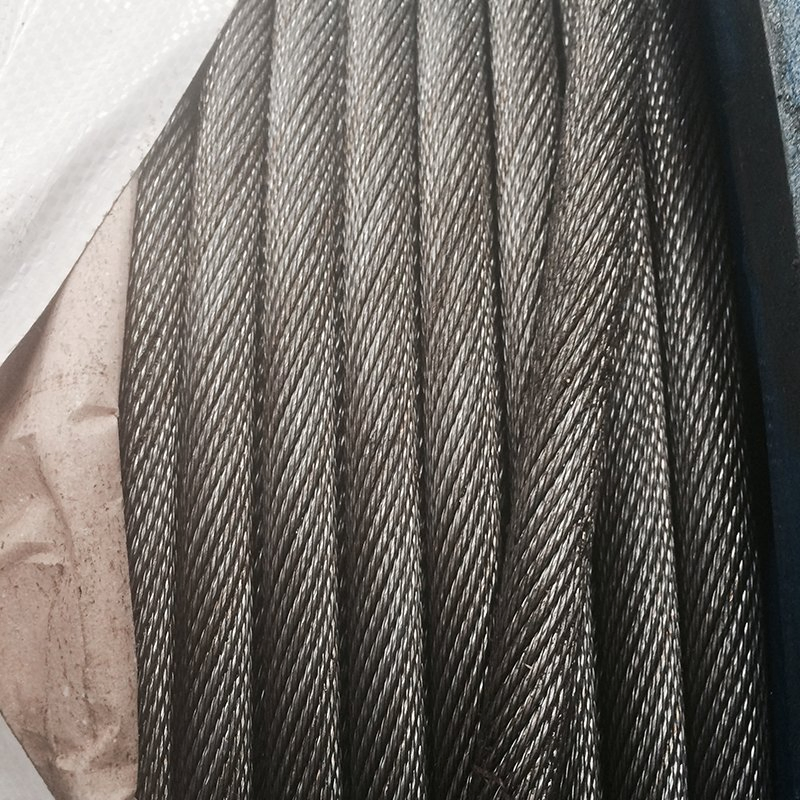
Dive Deeper: Calculating Load Capacity
| Rope Diameter | Min Breaking Load (tons) | Typical Safety Factor |
|---|---|---|
| 10 mm | 3.2 | 5 |
| 16 mm | 8.5 | 5 |
| 20 mm | 12.5 | 5 |
I measure the maximum expected load, then multiply by a safety factor. For lifting heavy cargo, safety is my priority.
How Do I Ensure Compliance and Certification?
Certified ropes give peace of mind. I check certificates before buying.
Look for EN12385, BV, CE, RMRS, DNV, ABS certificates. Certified ropes meet strict safety and quality standards.
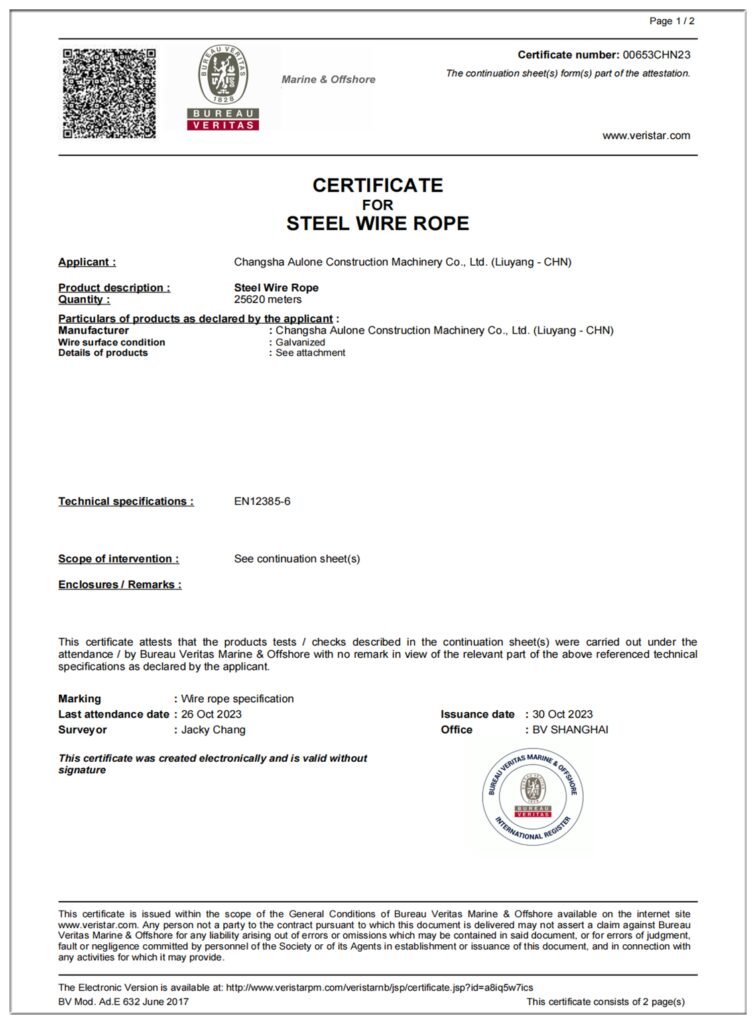
Certificates and What They Mean
| Certificate | Region/Standard | Benefit |
|---|---|---|
| EN12385 | Europe | Quality & safety |
| BV | International | Verified strength |
| CE | Europe | Regulatory compliance |
| DNV | Marine | Long-term reliability |
I always request certificates for every batch. For critical projects, it ensures we avoid failures and legal issues.
Conclusion
Choosing the right wire rope saves cost, time, and prevents accidents. Always check type, construction, coating, load, and certification.