Ropes often fail when we least expect. They wear down quickly if misused or overlooked. Damage can be costly and dangerous.
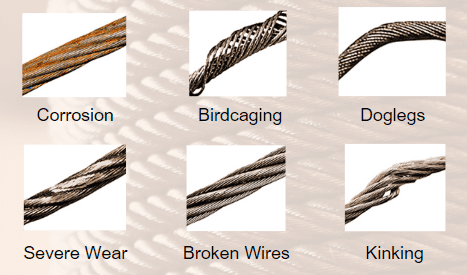
Rope damage usually occurs due to abrasion, corrosion, overloading, or poor storage. Recognizing early signs prevents accidents and prolongs rope life.
I remember inspecting a batch of crane ropes and spotting hidden corrosion. It reminded me how easily small damage can escalate. Let’s explore the main types of rope damage.
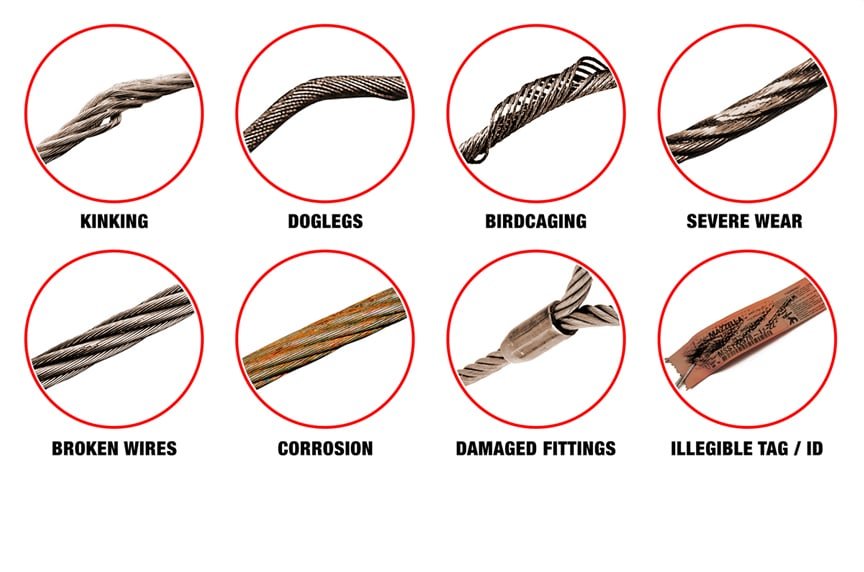
What Causes Abrasion on Wire Ropes?
Abrasion happens when ropes rub against rough surfaces. It wears the outer wires and reduces strength.
Ropes exposed to sharp edges, pulleys, or metal surfaces show abrasion first, making replacement necessary to avoid breakage.
###Dive Deeper: Understanding Abrasion
Abrasion often starts with small wire breaks. If ignored, it can lead to strand failure.
| Type of Abrasion | Common Cause | Detection Method | Prevention |
|---|---|---|---|
| External wear | Metal contact | Visual inspection | Sheaves, sleeves, or padding |
| Internal wear | Rope twisting | Core examination | Proper lubrication, rotation |
I once saw a rope in a mining operation where abrasion went unnoticed inside the core. Visual checks alone missed it. We now combine inspection and load testing.
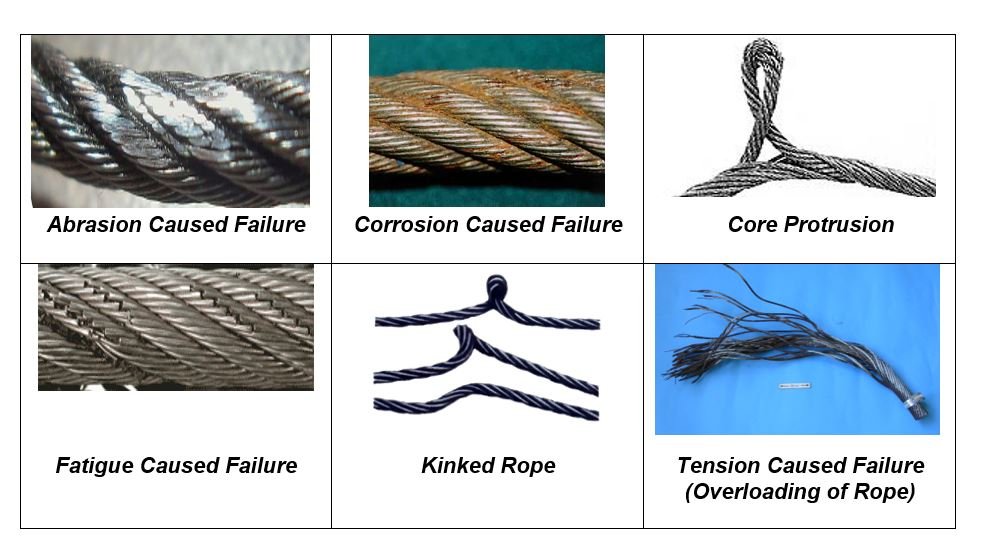
Why Does Corrosion Damage Ropes?
Moisture, chemicals, and saltwater cause corrosion. Rust weakens metal wires over time.
Corrosion appears as rust, discoloration, or stiffness. It lowers breaking strength and increases the risk of sudden failure.
Preventing Corrosion
Wire ropes need regular cleaning and proper storage. Galvanized or stainless steel ropes resist rust better.
| Rope Type | Corrosion Resistance | Recommended Use |
|---|---|---|
| Galvanized | Moderate | Outdoor, marine |
| Stainless Steel | High | Marine, chemical |
| Plastic Impregnated | High | Wet, abrasive environments |
In my experience exporting ropes to Southeast Asia, uncoated ropes often fail in humid climates. Choosing the right coating reduces maintenance and accidents.
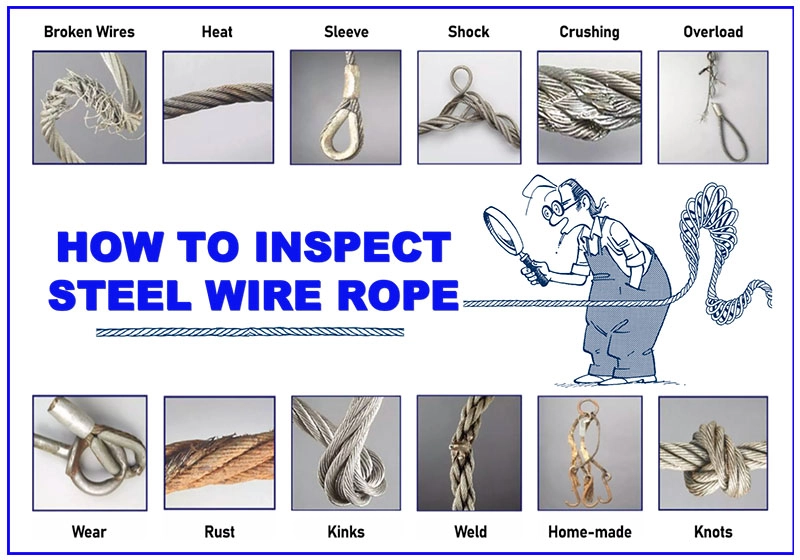
How Do Overloading and Fatigue Affect Wire Ropes?
Overloading puts stress beyond the rope’s capacity. Fatigue occurs from repeated bending or tension.
Ropes under frequent heavy loads develop broken wires and core damage, even without visible external signs.
###Dive Deeper: Spotting Fatigue
Overloaded ropes fail gradually. Core wires can break internally.
| Warning Sign | Inspection Tip |
|---|---|
| Birdcaging | Visual inspection after unloading |
| Flattened strands | Check at pulleys and drums |
| Wire breaks inside | Magnetic or ultrasonic testing |
I recall a crane rope that looked fine externally but had internal fatigue. Load tests revealed weakness before failure. Regular monitoring is key.
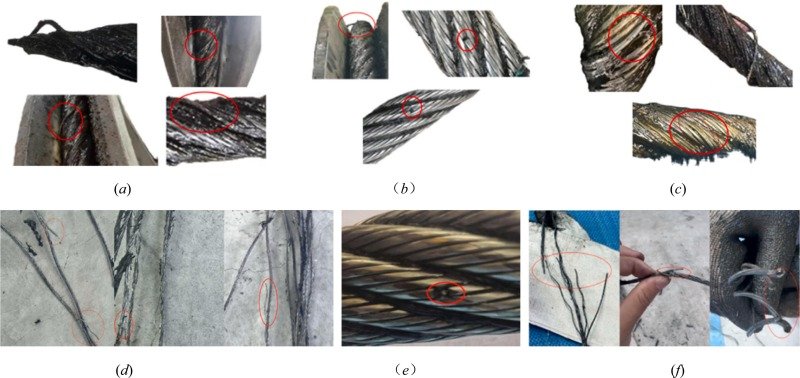
What Storage Mistakes Cause Rope Damage?
Improper storage accelerates damage. Ropes exposed to sunlight, moisture, or chemicals degrade faster.
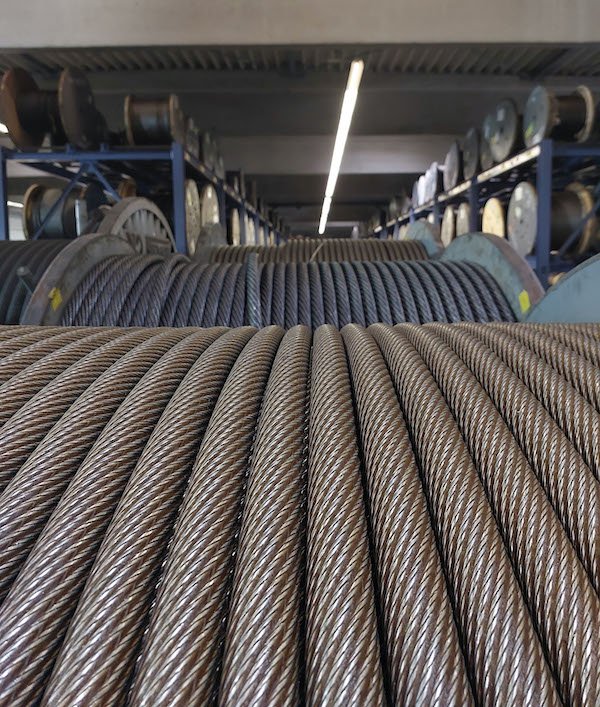
Store ropes in dry, shaded areas. Keep them coiled properly and away from chemicals to prevent early wear and corrosion.
Best Storage Practices
Coiling and hanging ropes properly maintains shape and flexibility. Avoid stacking ropes under heavy loads.
| Storage Method | Effect on Rope | Recommendation |
|---|---|---|
| Hanging indoors | Maintains shape | Use hooks or reels |
| Coiled on floor | Risk of flattening | Rotate coils regularly |
| Sun exposure | UV damage | Cover or store shaded |
I once shipped ropes in open containers. Some got sunburned and became stiff. Simple preventive storage would have avoided waste.
Conclusion
Recognizing abrasion, corrosion, overloading, and poor storage keeps ropes safe and long-lasting.