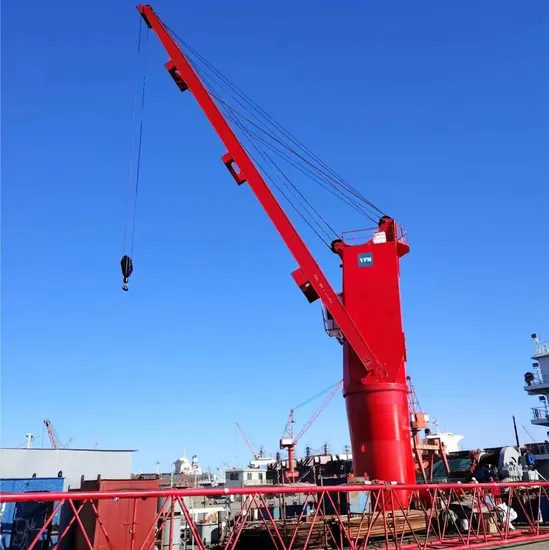
Heavy lifting jobs often fail because the wire rope twists under load. This twisting causes load spin, unsafe lifting, and early rope damage. Many buyers struggle to choose the right rotation-resistant rope.
Class 19×7 rotation resistant wire rope uses multiple layers of strands that rotate in opposite directions. This design greatly reduces rope spin under load, improves lifting stability, and makes it a preferred rope for cranes, tower cranes, and lifting equipment.
I remember the first time a buyer asked me why his crane hook kept spinning even with a new rope. That question led me deep into the structure of rotation resistant ropes.
Why Does Class 19×7 Wire Rope Resist Rotation?
Many lifting jobs need stable loads. A rotating hook can create serious safety risks.
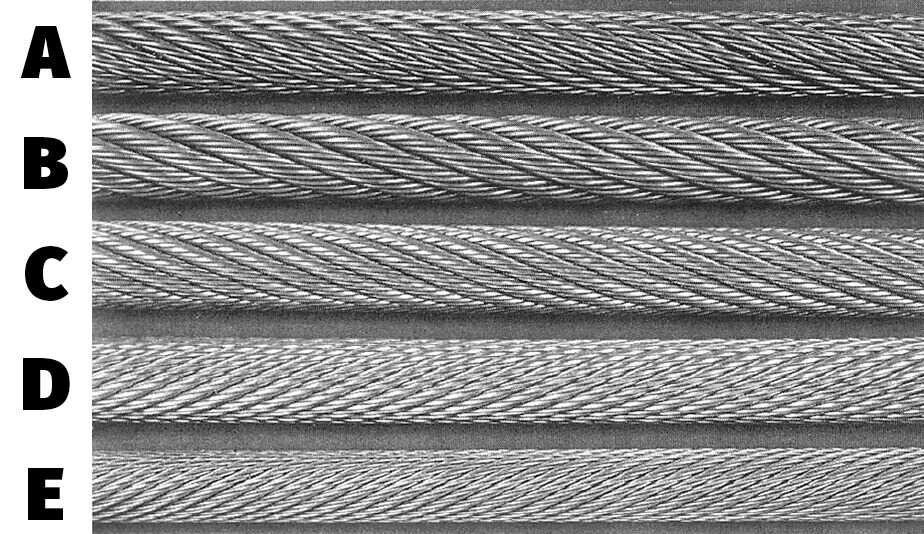
Class 19×7 wire rope resists rotation because it uses a multi-layer strand structure. The inner strands and outer strands twist in opposite directions, which balances torque and prevents the rope from spinning under load.
How the Structure Works
A standard wire rope often has one layer of strands. This creates torque when the rope lifts a heavy load.
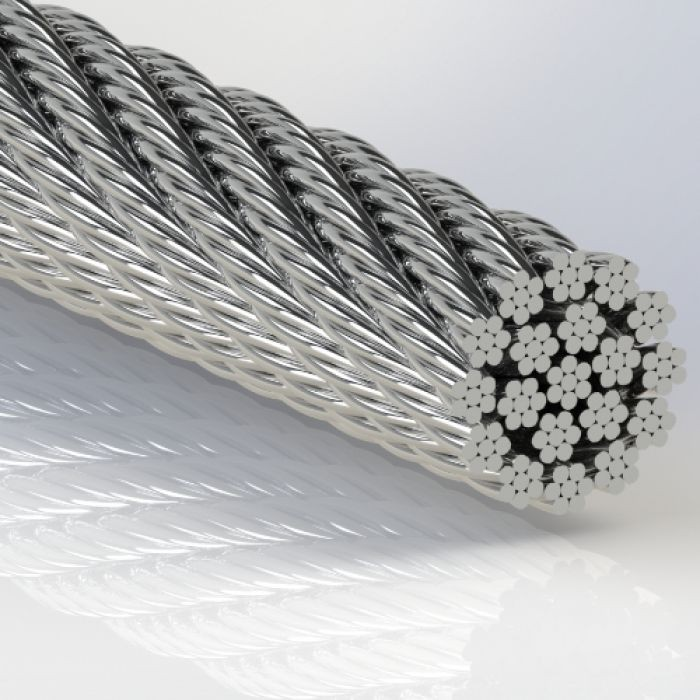
Class 19×7 rope uses 19 strands, and each strand contains 7 wires. These strands are arranged in layers.
When the inner layer rotates in one direction, the outer layer rotates the opposite way. The forces cancel each other.
Structure Overview
| Feature | Description |
|---|---|
| Strand Count | 19 strands |
| Wire Count | 7 wires per strand |
| Core Type | Usually IWRC |
| Torque Balance | Opposite strand directions |
| Main Benefit | Reduced load rotation |
Why Torque Balance Matters
Torque creates load spin. When lifting height increases, this effect becomes stronger.
Rotation resistant rope reduces this torque. The hook stays stable. Crane operators gain better control.
This is why tower cranes and mobile cranes often require this rope design.
Where Is Class 19×7 Rotation Resistant Wire Rope Commonly Used?
Not every lifting job needs rotation resistant rope. But some industries depend on it every day.
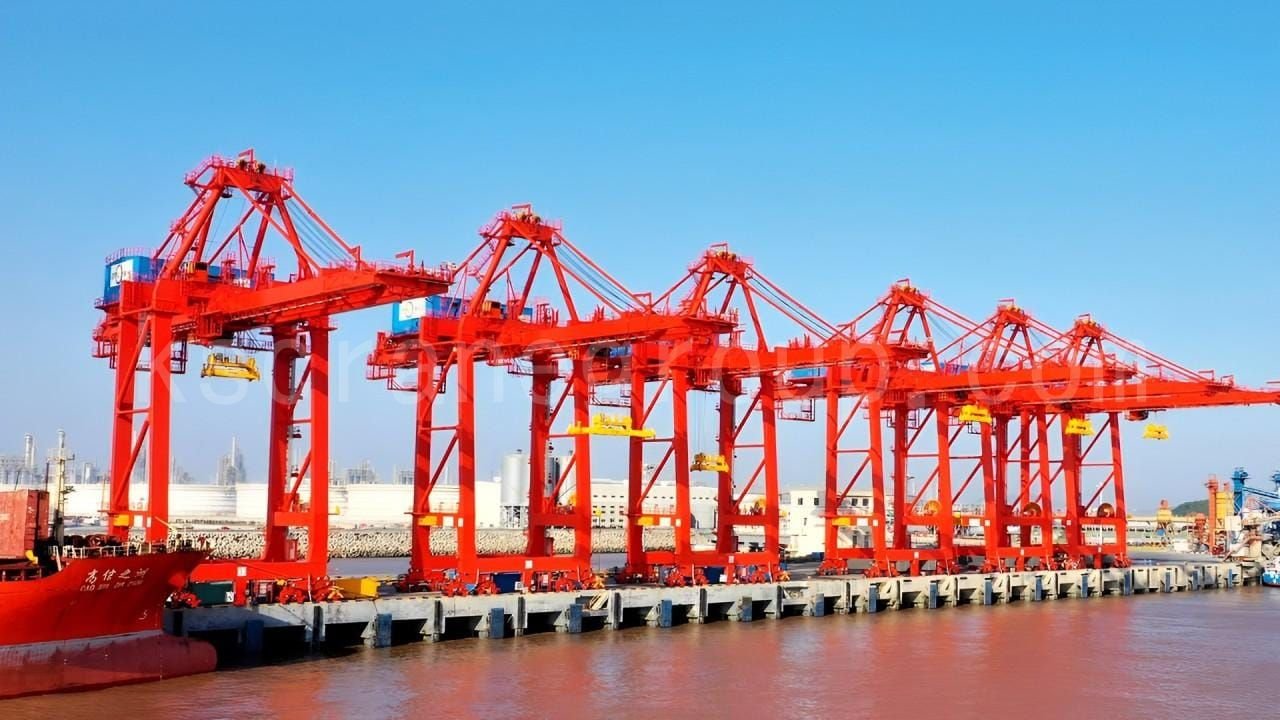
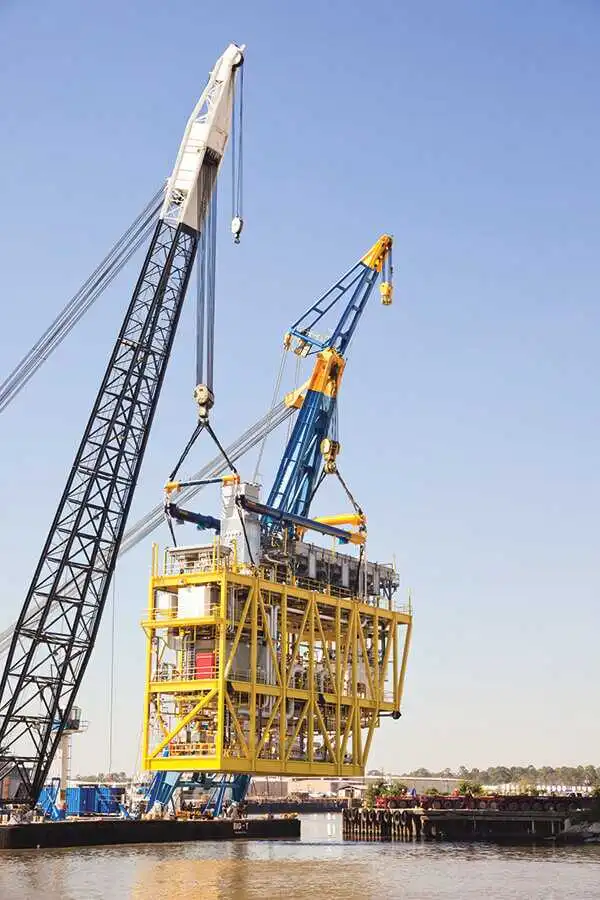
Class 19×7 rotation resistant wire rope is widely used in tower cranes, mobile cranes, hoisting equipment, offshore lifting systems, and construction lifting operations where load rotation must be minimized.
Typical Industries
Many industries require stable lifting.
| Industry | Application |
|---|---|
| Construction | Tower crane hoisting |
| Mining | Shaft lifting systems |
| Marine | Offshore lifting |
| Logistics | Heavy cargo lifting |
| Infrastructure | Bridge construction |
Why Cranes Need Rotation Resistant Rope
When cranes lift loads hundreds of meters high, rope twist becomes dangerous.
A rotating load can:
- Hit structures
- Damage equipment
- Create safety risks for workers
Rotation resistant ropes reduce these risks.
My Observation from Crane Buyers
Many crane buyers first ask about breaking strength. But experienced engineers ask about rotation resistance first.
That small difference often shows their experience level.
How Does Class 19×7 Compare With Other Rotation Resistant Wire Ropes?
Buyers often compare 19×7 with other rope constructions.
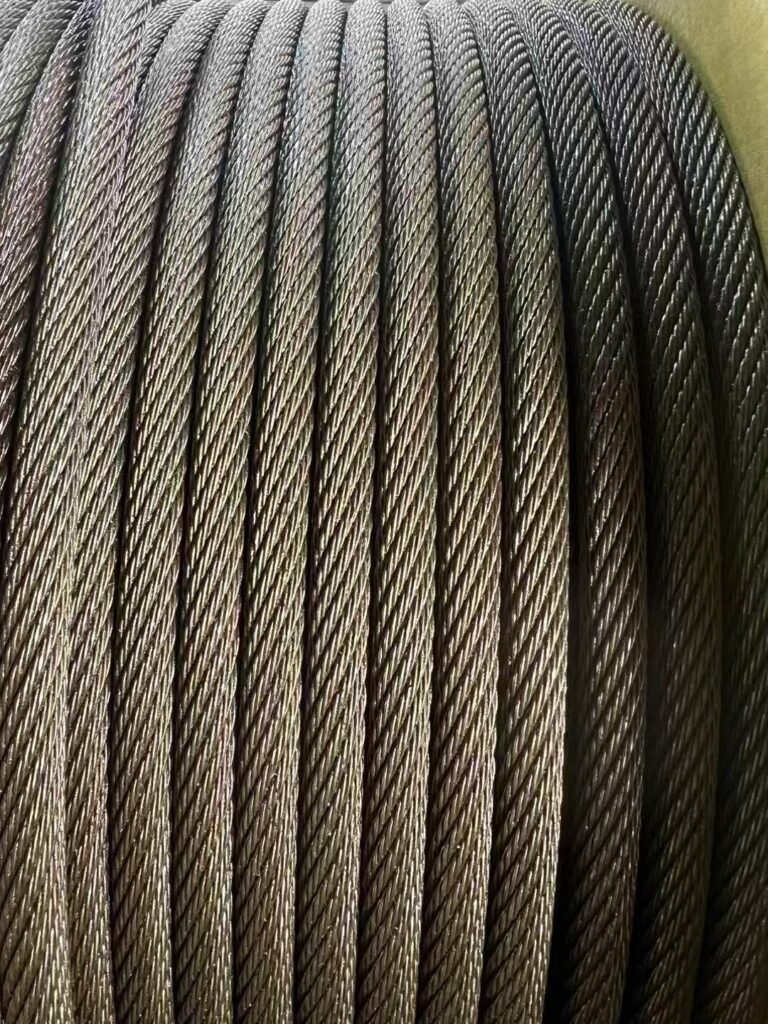
Class 19×7 wire rope provides moderate rotation resistance and high strength, but constructions like 35×7 offer stronger anti-rotation performance for extremely high lifting heights.
Common Rotation Resistant Constructions
| Rope Type | Rotation Resistance | Flexibility | Typical Use |
|---|---|---|---|
| 19×7 | Medium | Moderate | Cranes |
| 35×7 | High | Good | Tower cranes |
| 18×7 | Medium | Moderate | Hoisting systems |
| 8×K36 | High | Very flexible | Offshore lifting |
Why Some Buyers Choose 19×7
I often see buyers choose 19×7 because it balances three things:
- strength
- cost
- rotation resistance
It is usually more economical than complex multi-layer ropes.
When 35×7 Is Better
Some projects lift loads at extreme heights.
Examples include:
- tower cranes above 200 meters
- offshore platforms
- deep mining shafts
In these situations, engineers often upgrade to 35×7 rope.
What Technical Specifications Should Buyers Check Before Purchasing?
Many buyers only check diameter. But that is not enough.
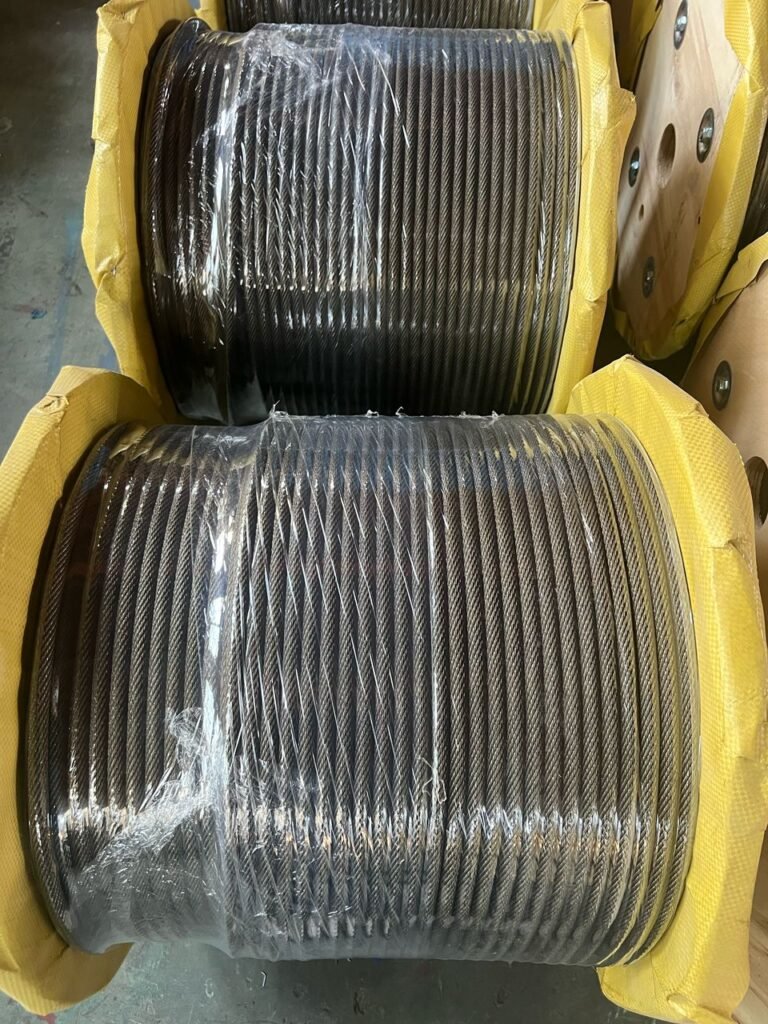
Before purchasing Class 19×7 rotation resistant wire rope, buyers should verify diameter tolerance, breaking load, surface treatment, lubrication, and compliance with international standards such as EN12385-4.
Key Specifications
| Specification | Why It Matters |
|---|---|
| Diameter tolerance | Ensures proper drum fit |
| Minimum Breaking Load | Determines lifting capacity |
| Surface treatment | Prevents corrosion |
| Lubrication | Reduces internal wear |
| Standard compliance | Ensures safety certification |
Surface Options
Most buyers choose between two finishes.
| Finish Type | Advantage |
|---|---|
| Bright | Higher fatigue performance |
| Galvanized | Strong corrosion resistance |
For marine cranes, galvanized ropes are common.
Certifications Buyers Often Request
Large projects often require certification.
Typical certificates include:
- BV
- CE
- RMRS
- DNV
- ABS
Certification confirms the rope meets international safety requirements.
How Can Buyers Extend the Service Life of Class 19×7 Wire Rope?
Even the best rope can fail early if it is used incorrectly.
Buyers can extend the life of Class 19×7 wire rope by using proper drum diameter, correct installation procedures, regular lubrication, and scheduled inspection to detect wear or strand damage early.
Installation Matters
Improper installation causes early rope damage.
Common mistakes include:
- twisting the rope during installation
- incorrect drum winding direction
- sudden load shock
Recommended Inspection Points
| Inspection Item | Frequency |
|---|---|
| Broken wires | Weekly |
| Lubrication condition | Monthly |
| Diameter reduction | Monthly |
| Strand distortion | Monthly |
One Lesson I Learned
In one project, a rope failed in six months. The reason was simple.
The drum diameter was too small.
This caused excessive bending fatigue. The rope wore out quickly.
Correct equipment setup is just as important as rope quality.
Conclusion
Class 19×7 rotation resistant wire rope offers stable lifting, balanced torque, and reliable strength. It remains a practical choice for many crane and lifting applications worldwide.