Many buyers face the same problem in wire rope selection. They see many structures and grades. They feel confused. A wrong choice often leads to early wear or safety risk in real projects.
I explain this topic in a simple way based on my daily work with commercial buyers. I focus on structure, usage, and real selection logic.
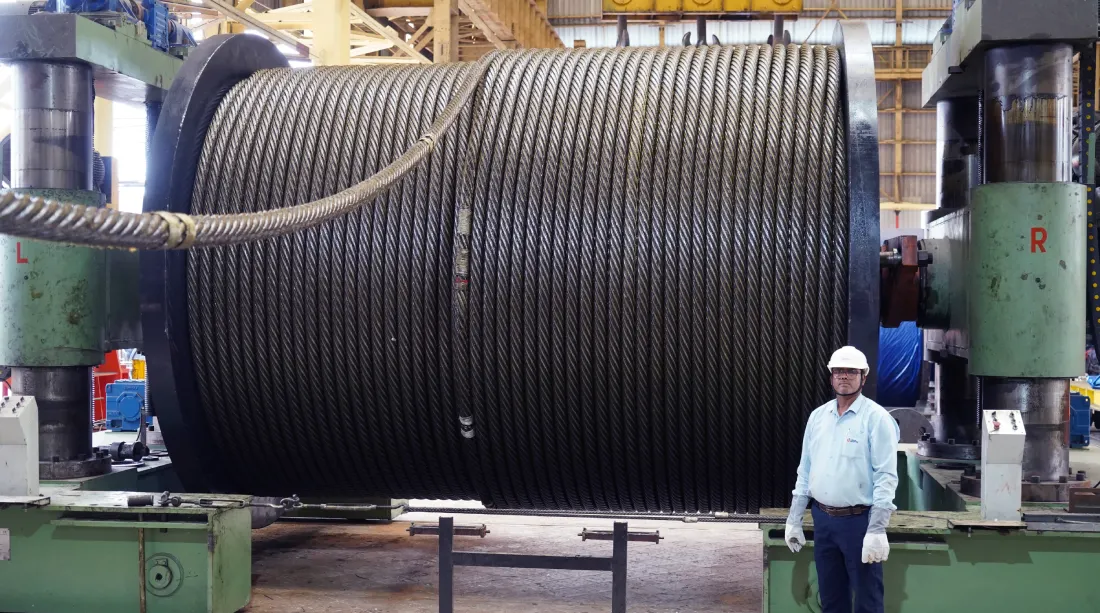
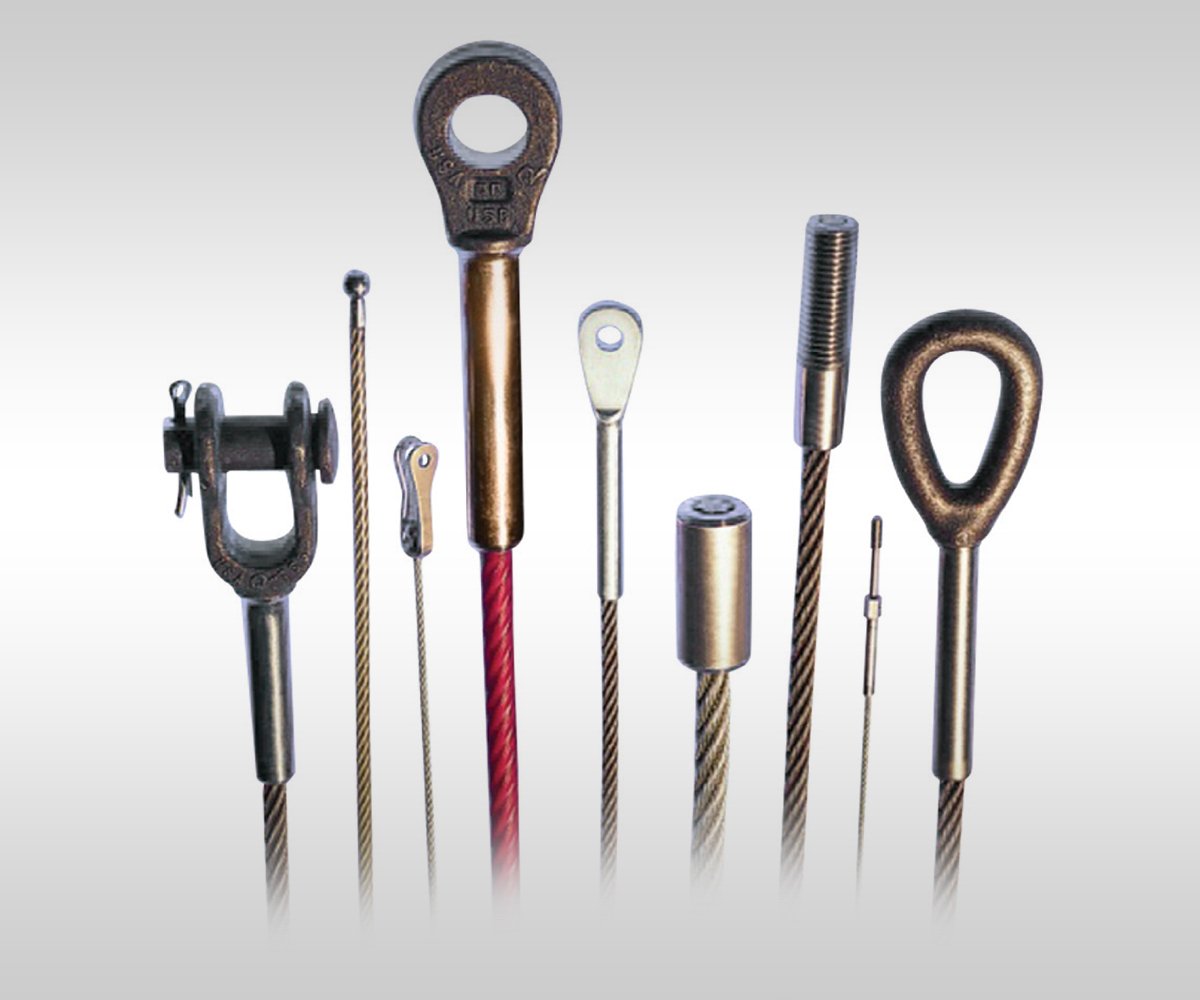
Fiber core bright carbon wire rope 6×19 is a general-purpose steel wire rope. It is widely used in lifting and pulling systems where flexibility and cost control are important.
Why Do Buyers Choose Fiber Core Bright Carbon Wire Rope 6×19 for Commercial Use?
Many commercial buyers do not choose this rope by accident. They choose it because it solves a balance problem between cost, flexibility, and basic strength.
In many projects, buyers need a rope that is easy to install and works in repeated bending conditions.
Fiber core bright carbon wire rope 6×19 is chosen because it provides medium strength, good flexibility, and stable performance in general lifting and pulling systems.
I often see this rope used in standard industrial systems. These systems do not always run under extreme loads. They run under repeated daily operations.
The fiber core inside the rope acts like a soft support center. It helps the rope stay flexible during bending. It also stores lubricant, which helps reduce internal friction.
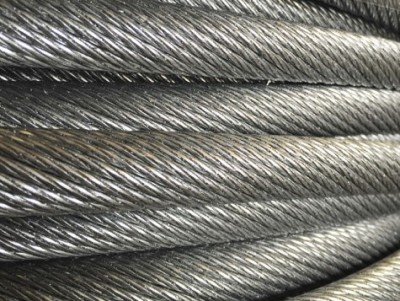
The outer part is made of bright carbon steel wires. These wires provide the main strength. The surface is smooth and clean. It is not heavily coated.
This combination creates a practical balance.
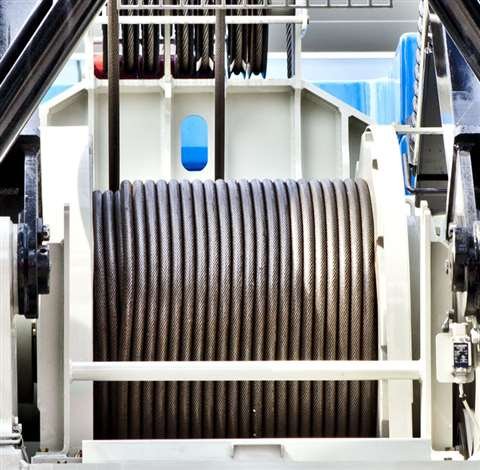
In one warehouse project, a buyer used overhead lifting systems for moving steel parts. The system ran 8 hours per day. The rope needed frequent bending.
They selected 6×19 fiber core rope. It performed well because flexibility was more important than extreme load capacity.
However, in another mining project, the same rope failed early. The environment had heavy dust and shock loads. This shows that correct matching is very important.
Comparison Table: Why Buyers Choose It
| Reason | Explanation |
|---|---|
| Cost control | Lower price than IWRC |
| Flexibility | Easier bending in pulleys |
| Availability | Easy to source globally |
| Maintenance | Simple lubrication system |
I always tell buyers that this rope is not for extreme engineering conditions. It is for stable commercial operations.
What Does 6×19 Construction Mean and Why Does It Matter?
Wire rope structure is not just a number. It directly affects lifespan and safety.
Many buyers see “6×19” but do not understand how it impacts performance.
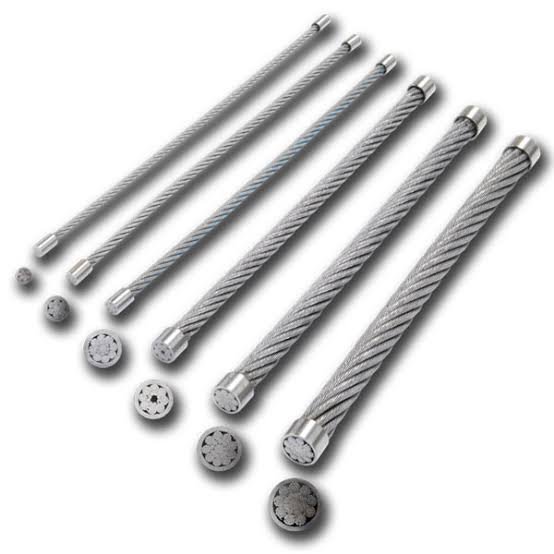
6×19 means six strands with 19 wires each. This structure gives medium flexibility and balanced wear resistance for general industrial use.
I explain 6×19 structure in a simple way.
The rope is built with six main strands. Each strand contains nineteen small wires. These wires are twisted together.
This design creates a medium flexibility level. It is not too soft. It is not too stiff.
Structure Function Table
| Component | Function |
|---|---|
| 6 strands | Load distribution |
| 19 wires | Flexibility control |
| Lay design | Stability in bending |
In real operation, 6×19 works well in pulley systems with medium diameter sheaves. It handles repeated bending cycles without fast deformation.
However, if the pulley is too small, the wires experience high stress. This causes early wire breakage.
I often check D/d ratio (sheave diameter vs rope diameter). Many buyers ignore this. This is a common mistake.
Common Mistake Table
| Mistake | Result |
|---|---|
| Small pulley use | Fast wire fatigue |
| Overloading | Core deformation |
| No lubrication | Internal friction damage |
So I always say structure is not enough. System design matters more.
How Does Fiber Core Affect Wire Rope Performance in Real Use?
Core type is one of the most important decisions in wire rope selection.
Many buyers only look at diameter and strength. They ignore the core.
Fiber core improves flexibility and lubrication retention but reduces heat resistance and maximum load capacity compared to steel core.
There are two main types of core:
- Fiber core (FC)
- Independent wire rope core (IWRC)
Fiber core is softer. It supports bending. It holds grease inside the rope.
IWRC is steel based. It gives higher strength and better heat resistance.
Core Comparison Table
| Feature | Fiber Core | IWRC |
|---|---|---|
| Flexibility | High | Medium |
| Strength | Medium | High |
| Heat resistance | Low | High |
| Fatigue resistance | Medium | High |
In my experience, fiber core is used in general lifting systems. IWRC is used in cranes, ports, and heavy machinery.
One buyer once asked me why his fiber core rope stretched after use. The reason was overload combined with poor lubrication. Fiber core cannot handle extreme tension for long periods.
This is why application matching is critical.
Where Is 6×19 Fiber Core Wire Rope Commonly Used?
This rope is widely used, but not everywhere.
Different industries have different requirements for wire rope performance.
6×19 fiber core wire rope is commonly used in construction, warehousing, light cranes, and general industrial pulling systems.
I divide applications into four main categories.
Application Table
| Industry | Usage | Suitability |
|---|---|---|
| Construction | Material lifting | High |
| Warehouses | Overhead cranes | High |
| Light mining | Auxiliary systems | Medium |
| Manufacturing | Equipment pulling | High |
In construction, this rope is used for general lifting tasks. It is not used for tower cranes or heavy hoisting.
In warehouses, it is very common. It runs smoothly in overhead rail systems.
In manufacturing plants, it is used in production line equipment where controlled motion is required.
However, in marine or offshore environments, I do not recommend bright carbon fiber core rope. Corrosion risk is high.
What Standards and Testing Are Important for This Wire Rope?
Standards are important for safety and international trade.
Many buyers forget to check certification when they purchase wire rope.
This wire rope often follows EN12385-4 standard and can be tested with tensile, breaking load, and fatigue tests for safety compliance.
Dive Deeper
In international projects, certifications are very important. Buyers from Europe, Middle East, and Australia often require strict documentation.
Common Certifications Table
| Standard | Region | Purpose |
|---|---|---|
| EN12385-4 | Europe | Wire rope safety |
| CE | EU | Product compliance |
| BV | Global | Inspection approval |
| DNV | Marine | Offshore safety |
I always suggest buyers request test reports before shipment.
Testing Types
| Test | Purpose |
|---|---|
| Breaking load test | Strength verification |
| Fatigue test | Lifecycle check |
| Diameter check | Dimensional accuracy |
| Surface inspection | Defect detection |
In one export case, a buyer requested DNV certification for crane usage. We provided full test reports. This reduced inspection delays at port.
What Are the Most Common Buying Mistakes?
Many problems in projects come from wrong purchasing decisions.
Most wire rope failures are not product defects. They are selection mistakes.
Common mistakes include ignoring working environment, choosing wrong core type, and underestimating pulley design impact.
I see repeated mistakes in many countries.
Mistake Table
| Mistake | Result |
|---|---|
| Choosing only by price | Early failure |
| Wrong core selection | Reduced lifespan |
| No lubrication plan | Internal wear |
| Ignoring standards | Import delay |
One example is a distributor in Southeast Asia. They selected fiber core rope for outdoor marine use. After two months, rust appeared.
The problem was not quality. The problem was environment mismatch.
Another case involved overload. The rope was used beyond rated capacity. It broke early.
So I always tell buyers: specification sheet is not enough. Application is everything.
How Should Buyers Select the Right 6×19 Fiber Core Wire Rope?
Selection must follow a simple but strict logic.
Many buyers feel selection is complex. But it can be simplified.
Buyers should select based on load, environment, pulley system, and certification requirements.
I use a simple decision method.
Selection Guide Table
| Step | Question |
|---|---|
| Load check | What is maximum working load? |
| Environment | Indoor or outdoor use? |
| System design | What pulley size is used? |
| Certification | Is EN or CE required? |
If load is high, I recommend IWRC.
If environment is dry indoor, fiber core is acceptable.
If pulley is small, flexibility becomes critical.
If export market is strict, certification must be confirmed early.
This simple logic prevents most mistakes.
Conclusion
Fiber core bright carbon wire rope 6×19 is a practical solution for general commercial lifting when used in correct systems and environments.