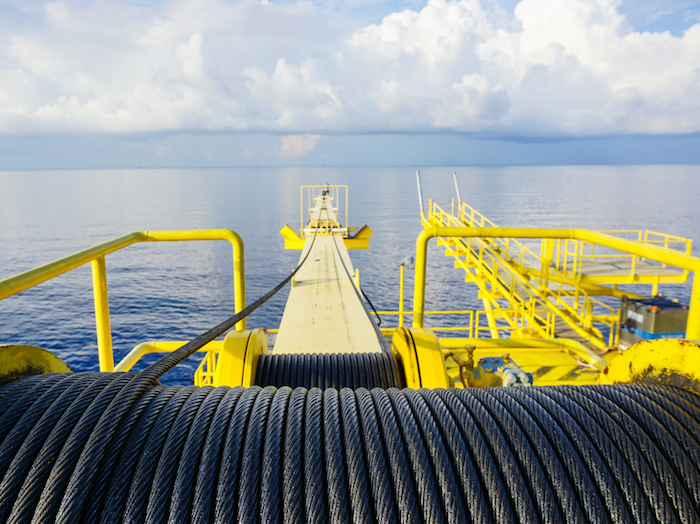
A damaged crane wire rope can stop lifting work, increase replacement costs, and create safety risks. Many users lose money because they ignore small maintenance details.
I can increase the life of a crane wire rope by selecting the correct rope type, installing it properly, inspecting it regularly, and maintaining it based on actual working conditions. A suitable wire rope can provide higher safety, longer service life, and better lifting performance.
I have supplied crane wire ropes for different industries and different lifting environments. During these years, I found that rope life is not decided only by manufacturing quality. Daily operation, installation methods, and maintenance habits also have a strong influence.
How Can I Select the Right Crane Wire Rope for Longer Service Life?
Choosing the correct crane wire rope is the first step to improving service life. A wrong selection can cause early wear even when the rope quality is excellent.
I select crane wire ropes according to crane type, lifting condition, working frequency, load capacity, environment, and required safety level. The right rope structure helps reduce fatigue, corrosion, and unexpected replacement.
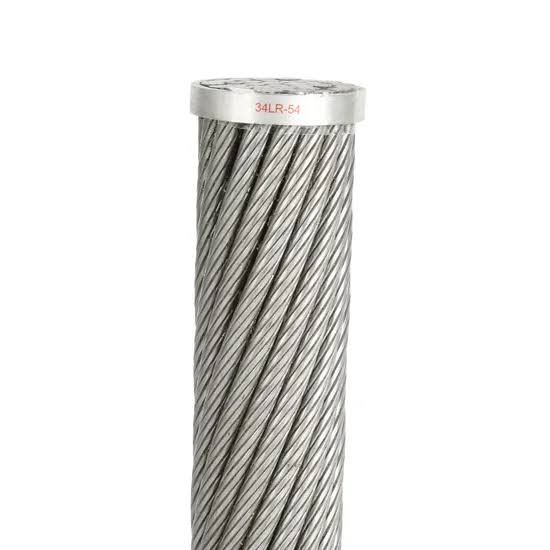
Why Does Wire Rope Structure Affect Service Life?
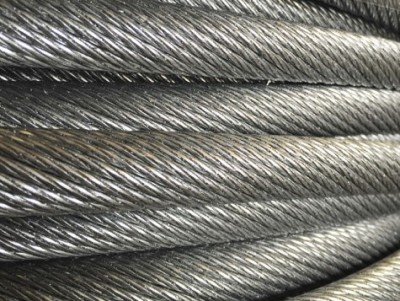
Many users only compare diameter and price when purchasing wire rope. However, the internal structure decides how the rope performs during operation.
Different rope constructions have different advantages. Some ropes provide better flexibility, while others provide higher strength and better resistance to crushing.
| Wire Rope Structure | Main Advantage | Common Application |
|---|---|---|
| 6×19 | Good strength and simple structure | General lifting equipment |
| 6×36 | Better flexibility and bending resistance | Mobile cranes and hoisting systems |
| 8×19 | Smooth operation and flexibility | Hoisting machinery |
| 19×7 | Low rotation performance | Tower cranes and heavy lifting |
| 35WXK7 | High strength and anti-rotation performance | Large cranes and demanding lifting projects |
I always suggest customers select the rope based on working conditions instead of selecting only the lowest price.
A cheaper rope may reduce the initial purchasing cost, but frequent replacement, downtime, and safety risks can create a much higher final cost.
How Does Rope Strength Influence Crane Wire Rope Life?
Wire rope strength is another important factor.
Many customers believe that a higher tensile strength grade always means longer service life. However, this is not always correct.
A crane system has its own design requirements. The wire rope needs to match the drum, sheave system, lifting speed, and working cycle.
| Strength Grade | Characteristics | Suitable Application |
|---|---|---|
| 1770 MPa | Balanced strength and flexibility | General crane applications |
| 1960 MPa | Higher breaking load | Heavy lifting equipment |
| 2160 MPa | Maximum strength requirement | Special heavy-duty operations |
For example, a mobile crane working on construction sites requires both high strength and good fatigue resistance. A mining crane requires excellent durability because it often works under continuous heavy loads.
The strongest rope is not always the best choice. The best rope is the one that matches the application.
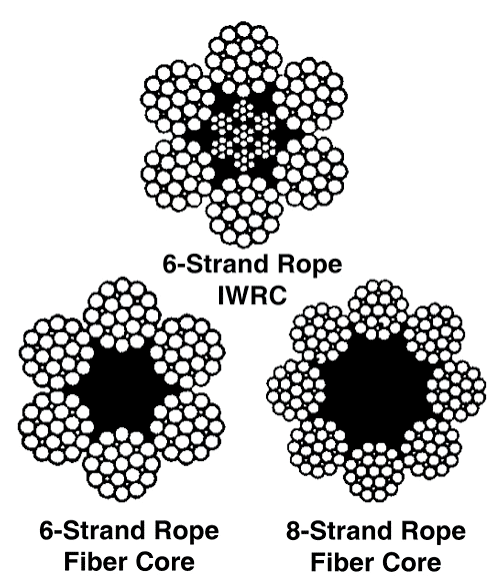
Should I Choose Fiber Core or IWRC Crane Wire Rope?
The rope core directly affects wire rope performance.
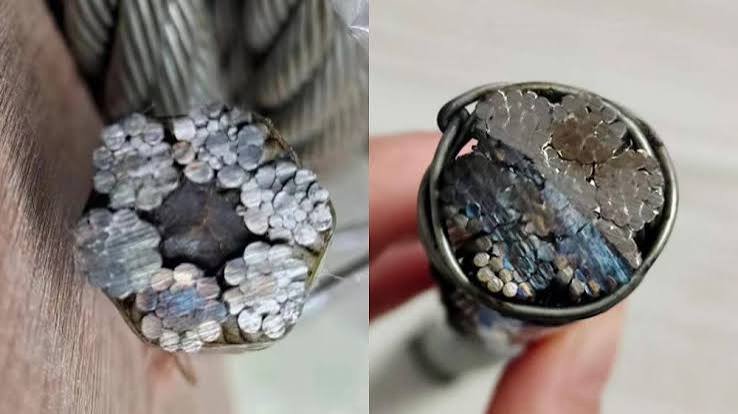
Fiber core (FC) and independent wire rope core (IWRC) are two common options.
| Core Type | Advantages | Application |
|---|---|---|
| Fiber Core | Good flexibility and lubrication storage | General lifting |
| IWRC | Higher strength and better crushing resistance | Heavy-duty cranes |
For large cranes and high-load applications, I usually recommend IWRC wire rope because the steel core provides better support.
The IWRC structure helps the rope maintain its shape when the rope receives pressure from heavy loads or multiple-layer winding.
However, flexibility is also important. Some systems require frequent bending, and a more flexible rope can provide better performance.
The correct balance between strength and flexibility is the key point.
How Does the Working Environment Affect Wire Rope Service Life?
The working environment has a direct impact on rope durability.
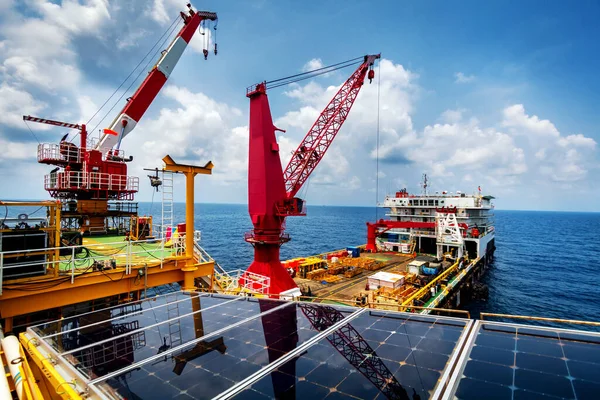
A crane wire rope used in a factory has different challenges compared with a rope used in marine, mining, or outdoor environments.
| Environment | Main Risk | Recommended Solution |
|---|---|---|
| Marine environment | Salt corrosion | Galvanized wire rope |
| Mining environment | Dust and heavy load | High strength rope |
| Outdoor construction | Weather exposure | Corrosion-resistant rope |
| Heavy lifting | Crushing and fatigue | IWRC rope structure |
When I recommend wire ropes, I always consider temperature, humidity, corrosion, and operation frequency.
For marine projects, galvanized wire rope can provide better corrosion resistance.
For special lifting applications, plastic impregnated wire rope can provide additional protection because the plastic layer reduces internal friction and protects the rope structure.
How Can Proper Installation Improve Crane Wire Rope Life?
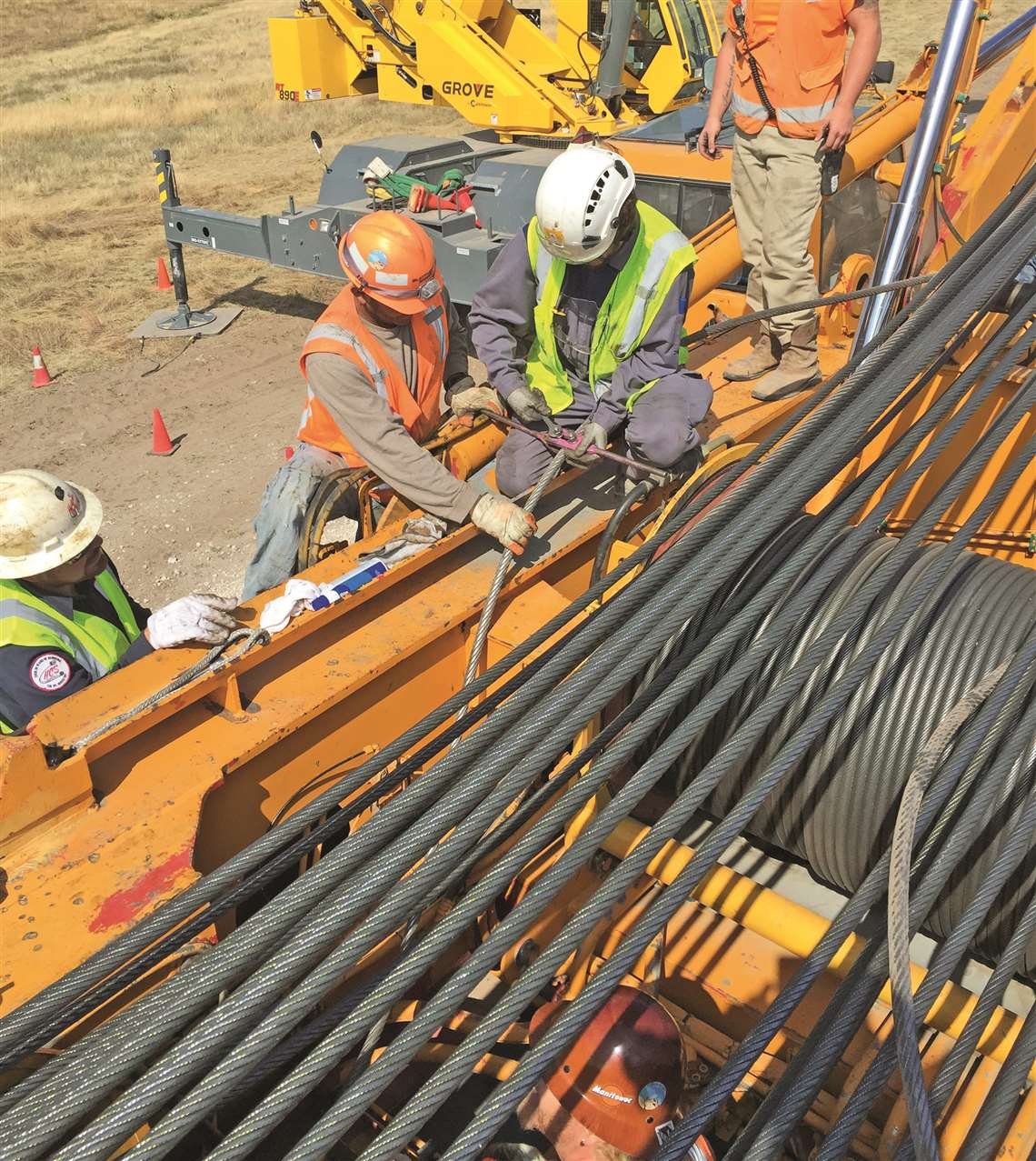
Many wire rope problems happen during installation. Even a high-quality rope can suffer damage if installation is not completed correctly.
Proper installation can prevent twisting, deformation, uneven loading, and early fatigue. Correct handling during installation helps the crane wire rope achieve its designed service life.
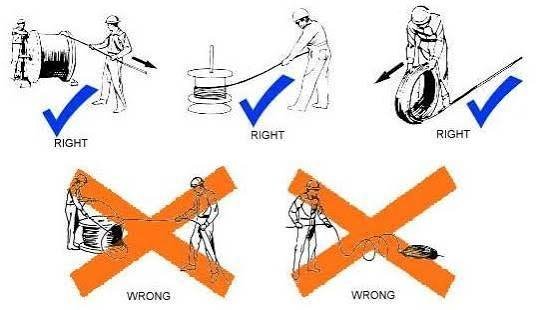
Why Should I Avoid Twisting During Installation?
Wire rope is designed with a specific strand direction. Uncontrolled twisting can damage the internal structure.
Common installation problems include:
| Installation Problem | Possible Result |
|---|---|
| Rope twisting | Reduced stability |
| Kinking | Permanent damage |
| Incorrect winding | Uneven wear |
| Sudden release from reel | Rope deformation |
I always recommend customers unwind the rope carefully from the reel.
The rope should move smoothly without creating additional loops or twists.
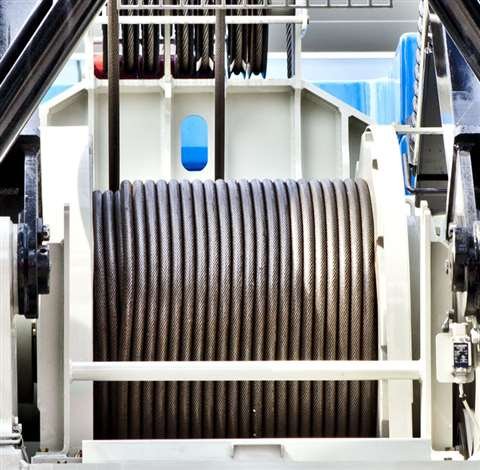
How Does Drum Condition Influence Rope Life?
The drum is an important part of the lifting system.
A damaged or unsuitable drum can increase rope wear.
The following points should be checked:
- Drum groove condition
- Correct winding direction
- Proper rope tension
- Even rope layers
When the rope is installed correctly, the load can distribute more evenly across the rope structure.
This helps reduce pressure between strands and improves fatigue resistance.
How Can Regular Inspection Extend Crane Wire Rope Life?
Regular inspection is one of the most effective ways to protect crane wire rope performance.
Regular inspection helps identify broken wires, corrosion, diameter reduction, and deformation before they become serious safety problems. Early detection allows users to replace ropes at the correct time.
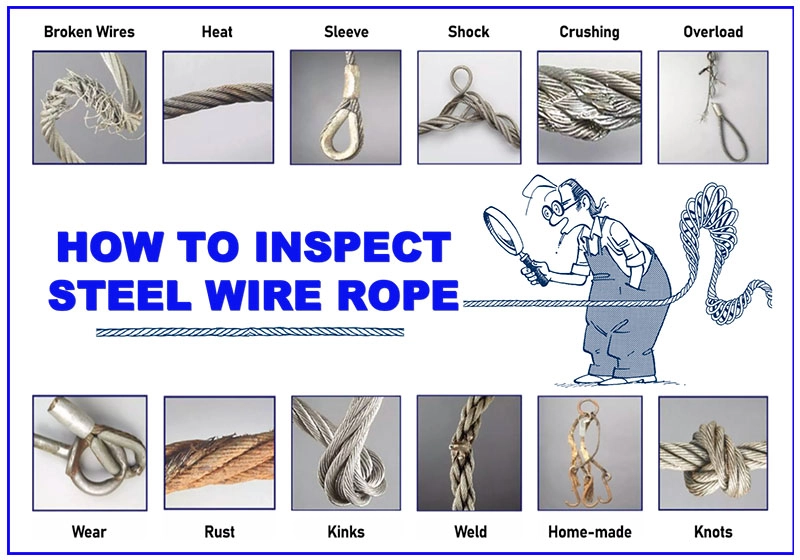
What Should I Check During Wire Rope Inspection?
A professional inspection should include several important areas.
| Inspection Item | What I Need to Check |
|---|---|
| Broken wires | Number and position of broken wires |
| Diameter change | Rope size reduction |
| Corrosion | Rust and surface damage |
| Lubrication | Dry areas and insufficient protection |
| Deformation | Kinks, crushing, birdcaging |
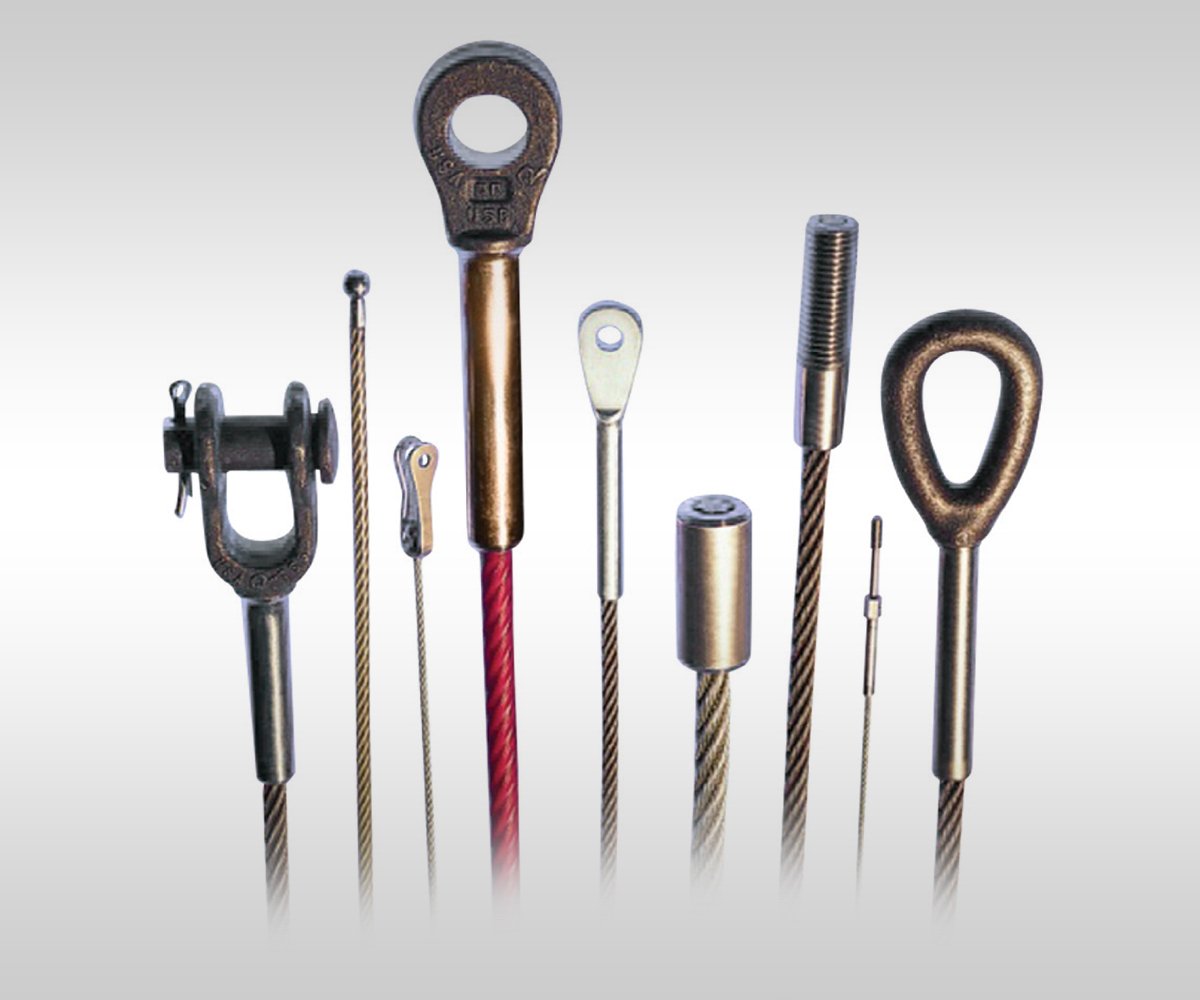
| End connection | Terminal condition |
I recommend customers keep inspection records.
A simple record can help users understand rope performance and predict replacement time.
How Does Lubrication Increase Wire Rope Life?
Lubrication is an important part of wire rope maintenance.
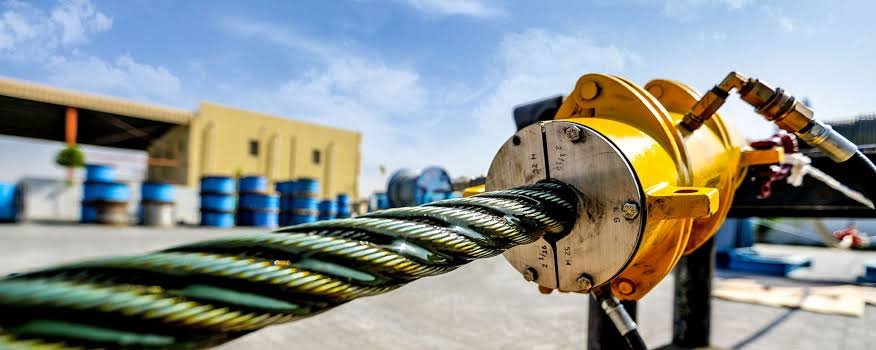
Proper lubrication reduces friction between wires and strands, protects against corrosion, and keeps the rope flexible during operation. Regular lubrication can significantly improve service life.
Without enough lubrication, wire rope can experience:
- Faster surface wear
- Internal friction
- Corrosion
- Reduced flexibility
I always suggest selecting suitable lubricant according to the working environment.
For example, marine applications need stronger corrosion protection, while mining applications need better dust resistance.
Good lubrication does not only protect the outside surface. The lubricant should also enter the internal structure to reduce friction between wires.
What Are the Common Mistakes That Reduce Crane Wire Rope Life?
Many rope failures are not caused by poor product quality. They happen because of incorrect operation or maintenance.
The most common mistakes include choosing the wrong rope, ignoring inspection, overloading the crane, poor lubrication, and incorrect installation. Avoiding these mistakes can greatly improve rope performance.
Using the Wrong Rope for the Application
Every crane has different working conditions.
A rope designed for general lifting may not perform well in offshore or mining applications.
Users should consider:
- Load condition
- Working frequency
- Sheave size
- Operating environment
- Safety requirements
Ignoring Small Signs of Damage
Small problems can become serious failures.
Broken wires, corrosion, and diameter reduction should receive attention immediately.
A planned replacement strategy is safer and more economical than emergency replacement.
Conclusion
I can increase crane wire rope life through correct selection, proper installation, regular inspection, and effective maintenance. A quality rope with proper care provides safer lifting and better long-term value.