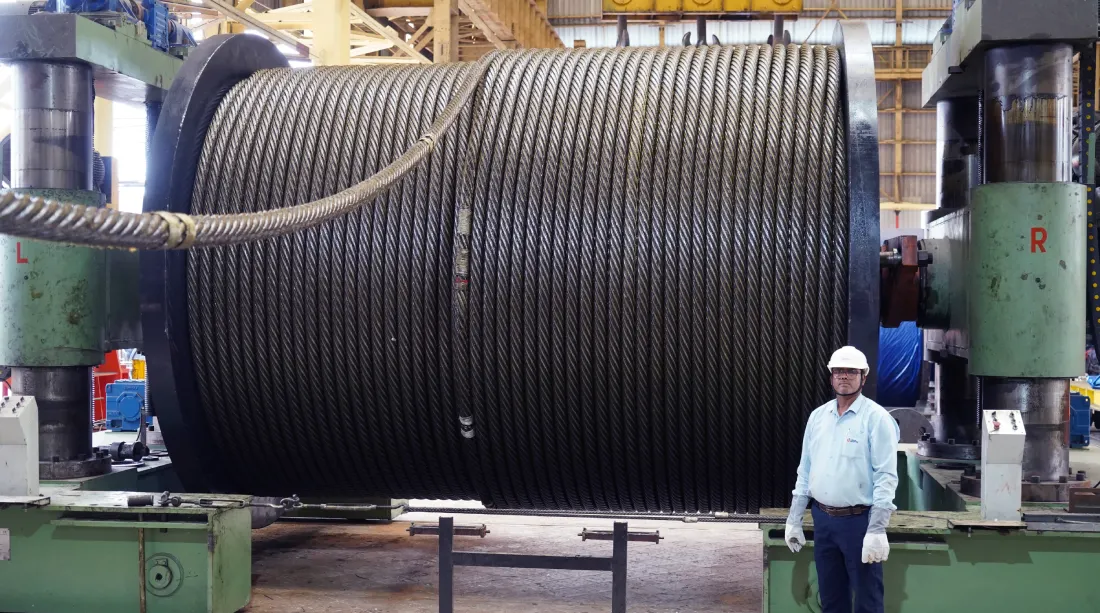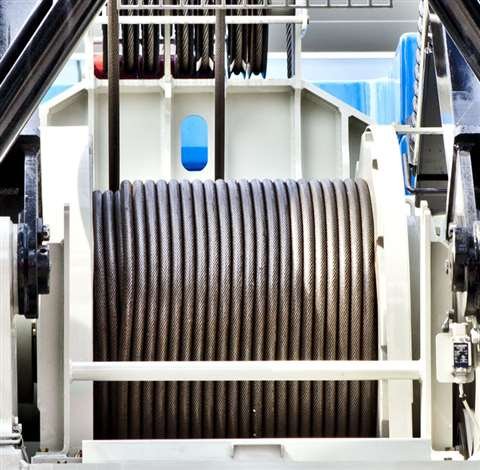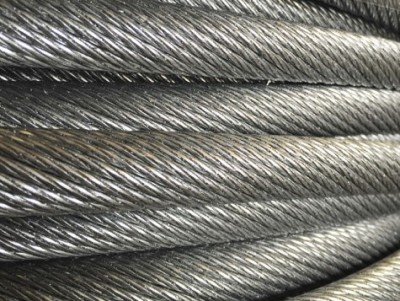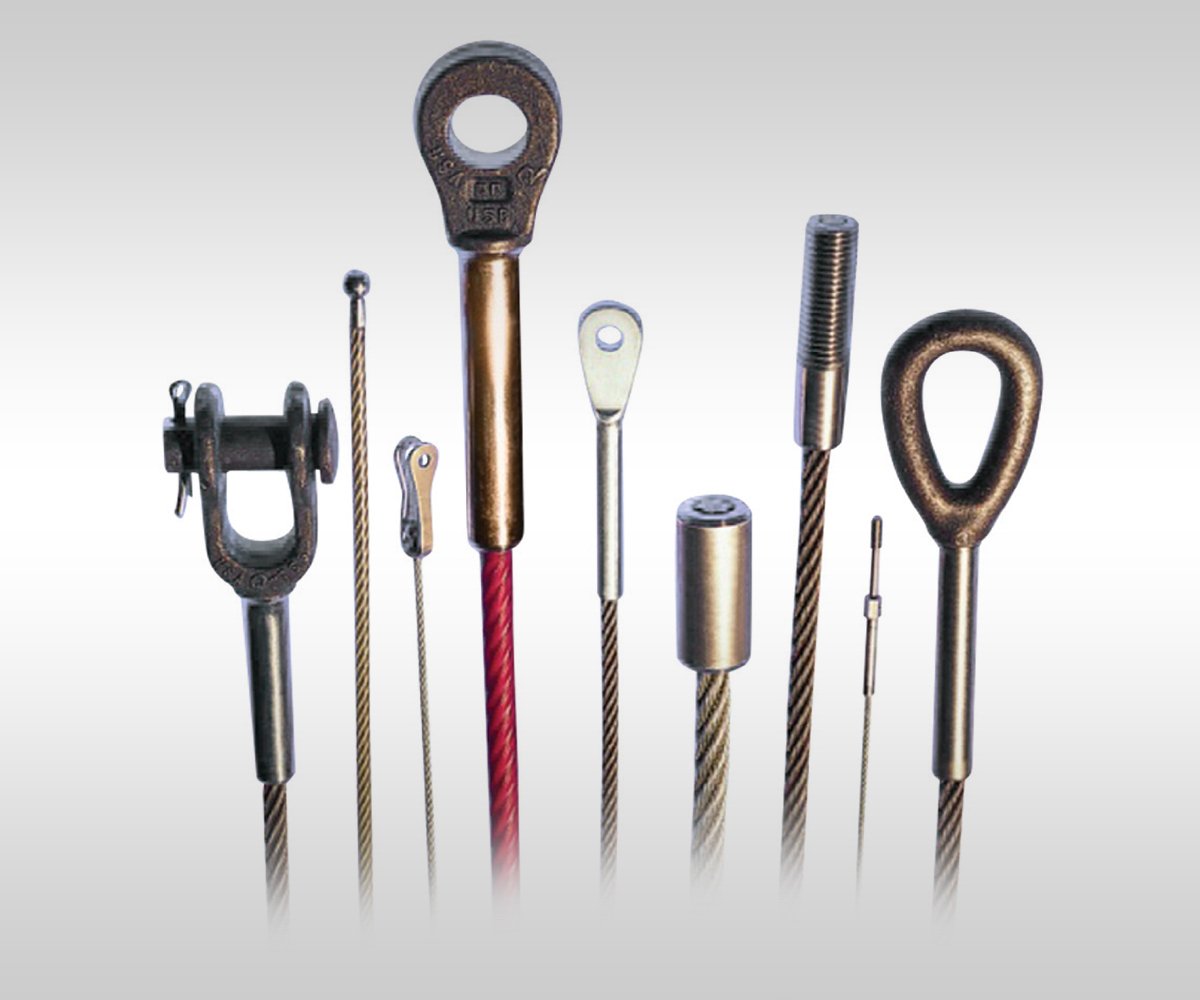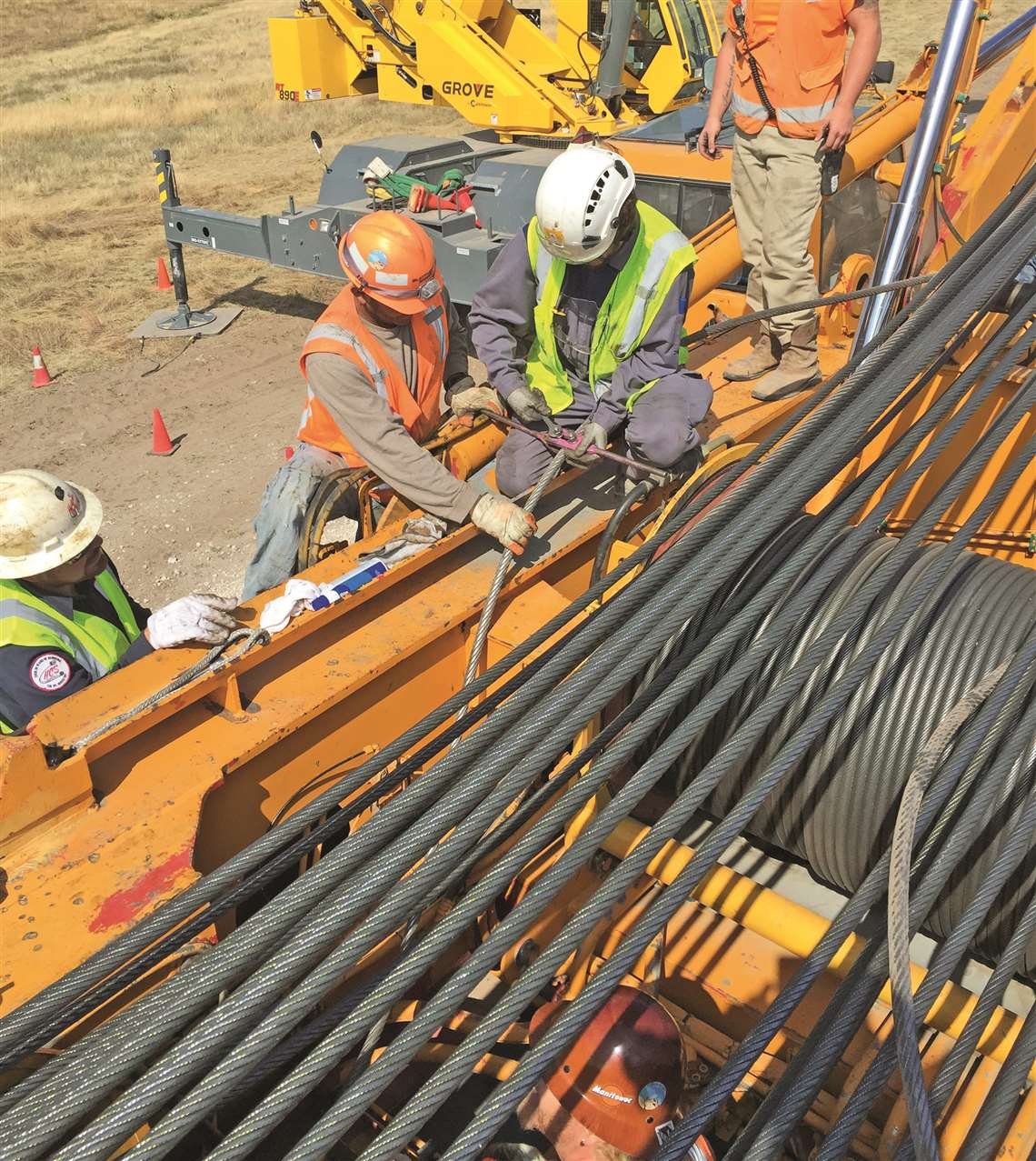
A wire rope may look like a simple steel product, but its structure controls strength, flexibility, wear, and service life. I often see buyers focus only on price and diameter.
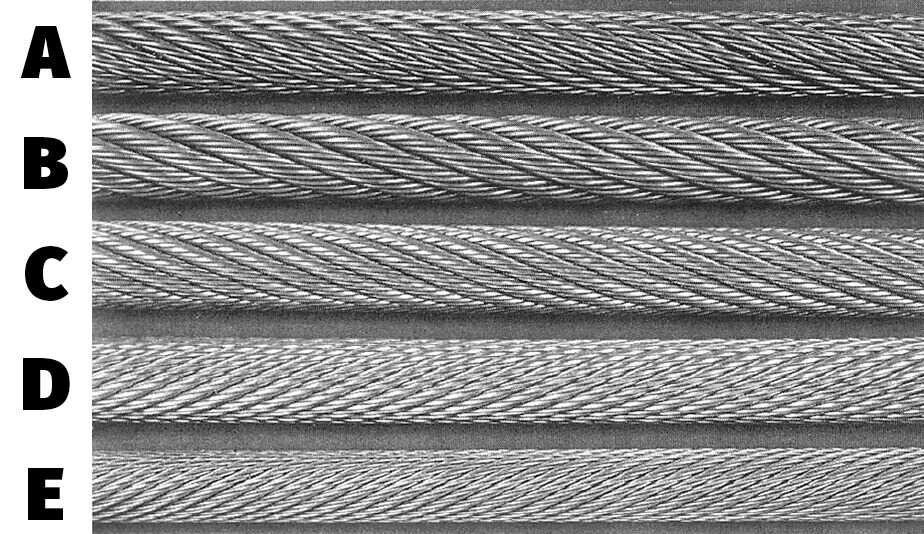
A wire rope is a mechanical rope made from many steel wires. I twist the wires into strands and then arrange the strands around a core. This structure allows the rope to carry heavy loads while bending around sheaves, drums, and other equipment.
I work with wire rope every day, and I know that the details matter. A 6×19 rope and a 6×36 rope can have the same diameter but work very differently. A fiber core and an IWRC can also change the rope’s performance. This is why I always look at the complete specification before I recommend a wire rope.
How Is a Wire Rope Made?
I think the easiest way to understand wire rope is to start with its basic structure. A finished rope is not one solid piece of steel. It is a carefully arranged combination of wires, strands, and a core.
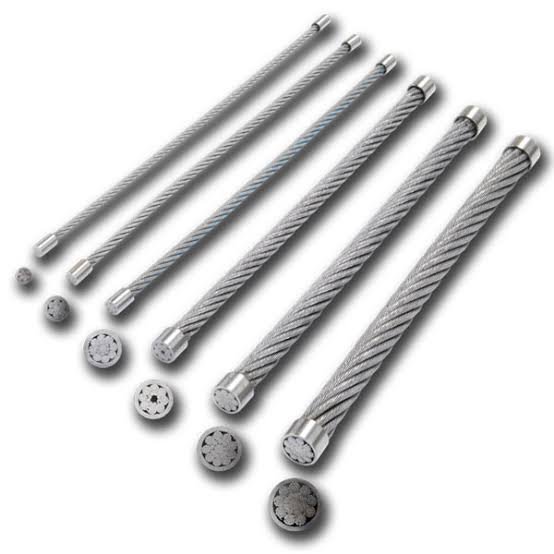
A wire rope starts with individual steel wires. I form these wires into strands and then lay several strands around a central core. The number, size, and arrangement of the wires and strands determine the final rope construction and performance.
How Are Steel Wires Used?
I start with steel wire because it is the smallest working part of the rope.
The wire has a specific diameter and tensile strength. The wire diameter affects the balance between flexibility and resistance to wear. Smaller wires can help the rope bend more easily. Larger wires can provide better resistance to abrasion.
I also pay attention to tensile strength. Common rope grades include 1770 MPa, 1960 MPa, and 2160 MPa. I do not simply choose the highest grade. I match the grade with the application and equipment.
How Are Strands Formed?
I twist several individual wires together to create a strand.
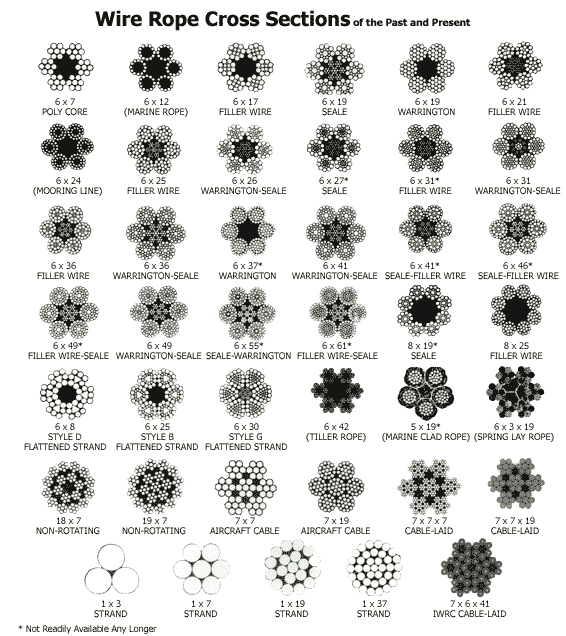
The strand can have different arrangements. Some constructions use similar wire sizes. Other constructions use different wire sizes to create a more compact structure.
For example, I can work with Seale, Warrington, Filler Wire, or Warrington-Seale constructions. Each design changes the relationship between strength, flexibility, fatigue resistance, and abrasion resistance.
Why Is the Core Important?
I place the core in the center of the rope.
The core supports the outer strands and helps the rope keep its shape. The core can also affect the rope’s strength, flexibility, crushing resistance, and resistance to heat.
I normally see three main core options:
| Core | Main feature | Typical consideration |
|---|---|---|
| FC | Fiber core | Good flexibility |
| WSC | Wire strand core | More support and strength |
| IWRC | Independent wire rope core | Higher support and crushing resistance |
I choose the core according to the working conditions rather than using one core for every application.
What Do the Numbers in Wire Rope Construction Mean?
I often receive questions such as, “What does 6×19 mean?” or “What is the difference between 6×19 and 6×36?”
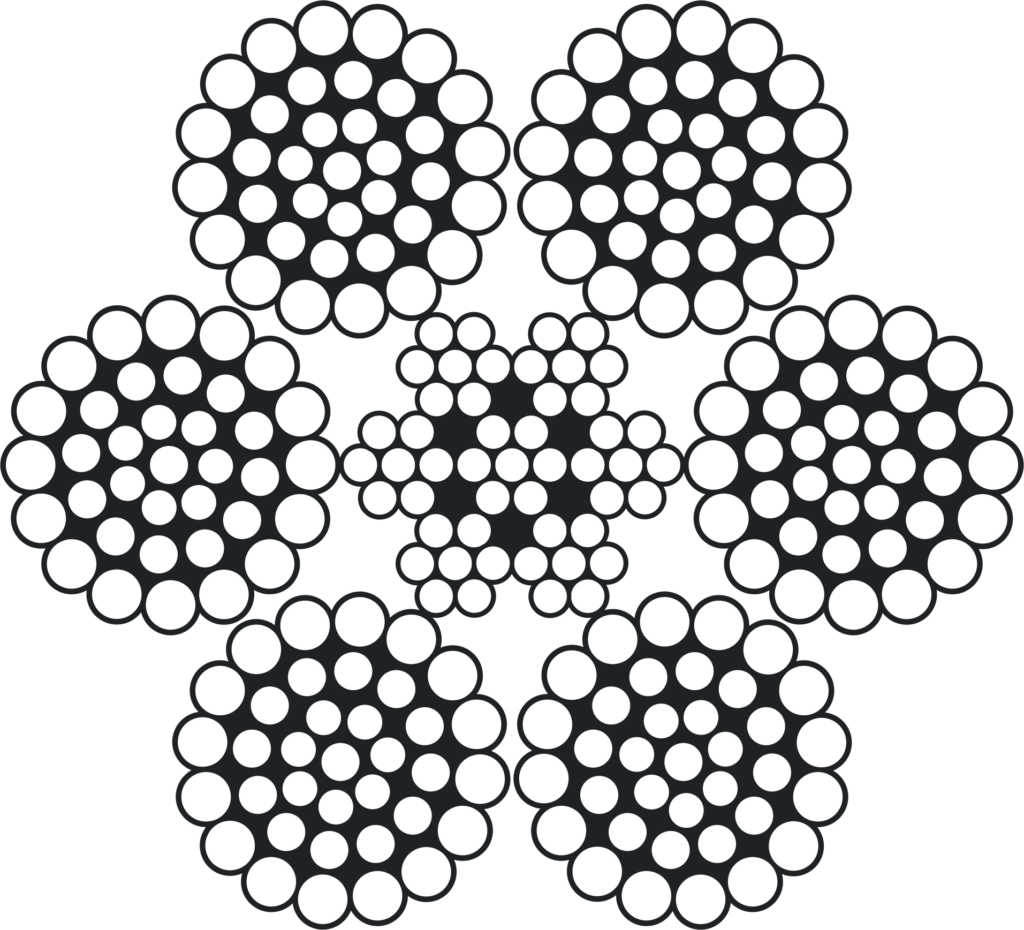
The first number normally indicates the number of strands. The second number describes the approximate number of wires in each strand. For example, 6×36 means six strands with about 36 wires in each strand. The core is normally shown separately, such as 6×36-IWRC.
What Does 6×19 Mean?
I use 6×19 as a common rope construction when abrasion resistance is important.
The strand contains relatively larger wires compared with constructions that use more wires. These larger wires can provide good resistance to surface wear.
However, I know that the rope may not be as flexible as a construction with more wires.
What Does 6×36 Mean?
I often consider 6×36 when the rope needs more flexibility.
The strand contains more wires. The smaller wires allow the rope to bend more easily around sheaves and drums.
This can make 6×36 suitable for applications with repeated bending.
I still need to check the equipment before I make a final recommendation. More flexibility does not automatically mean better performance in every application.
Why Can Two Ropes With the Same Diameter Perform Differently?
I see this situation quite often.
Two ropes may both be 20 mm in diameter. One may be 6×19 and another may be 6×36. They can have different breaking loads, flexibility, fatigue performance, and abrasion resistance.
This is why I never use diameter as the only specification.
What Are the Main Types of Wire Rope?
I use different wire ropes for different industries. The working environment changes the rope requirements.
The main types include crane wire rope, elevator wire rope, mining wire rope, marine wire rope, galvanized wire rope, stainless steel wire rope, rotation-resistant wire rope, and specialized wire rope. I select each type according to the load, movement, environment, and equipment.
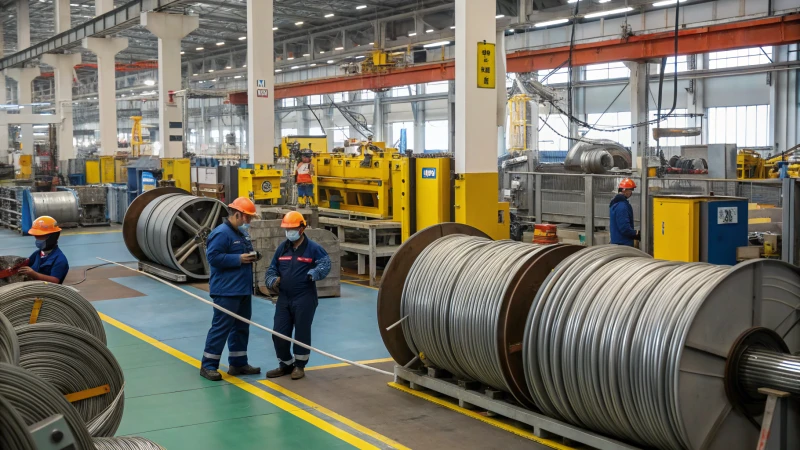
Crane Wire Rope
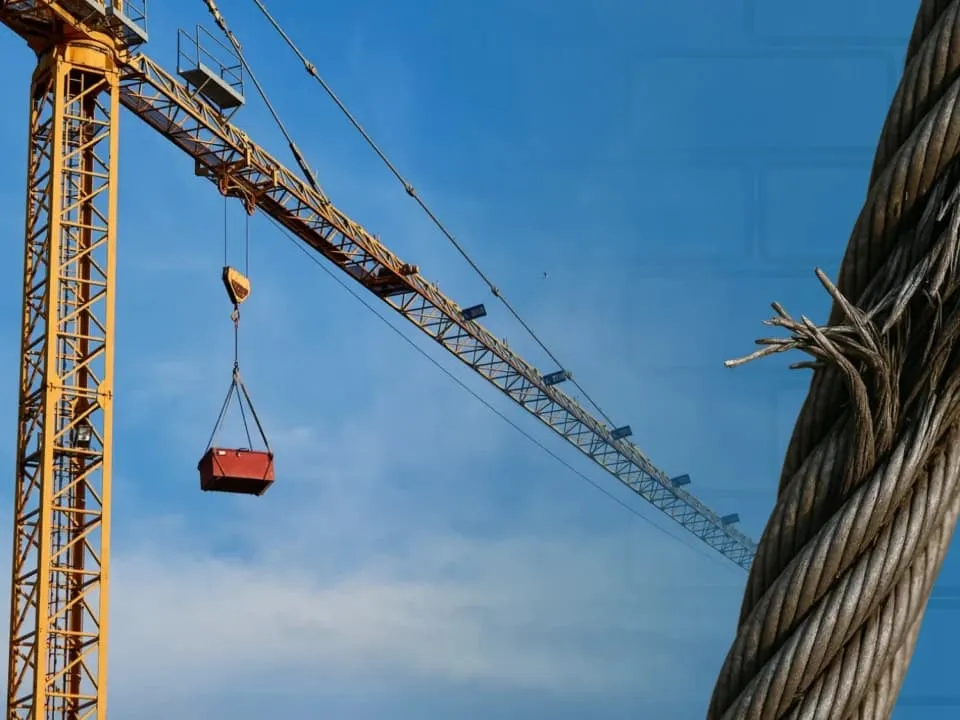
I often work with crane wire rope because cranes place high demands on the rope.
The rope may move through sheaves and drums many times during one working cycle. The rope therefore needs suitable bending performance and resistance to fatigue.
I also check the crane’s drum arrangement, sheave diameter, rope speed, load, and working cycle.
A strong rope is not enough if the construction does not match the crane.
Mining Wire Rope
I treat mining rope as a heavy-duty product.
Mining applications can expose the rope to high loads, dust, moisture, abrasion, repeated movement, and difficult maintenance conditions.
I normally check the actual equipment and operating conditions before selecting the rope construction.
Elevator Wire Rope
I use special considerations for elevator wire rope.
Elevator ropes experience repeated bending over sheaves. They also work with specific traction systems and equipment requirements.
The rope needs to work together with the sheave and elevator system.
Marine Wire Rope
I pay close attention to corrosion for marine applications.
Salt water can create a difficult environment for carbon steel. Galvanized and stainless steel wire rope can be considered when corrosion resistance is important.
I also check whether the rope is used for lifting, mooring, rigging, or another marine application.
What Is the Difference Between FC and IWRC Wire Rope?
I often explain FC and IWRC because the core can make a major difference in rope performance.
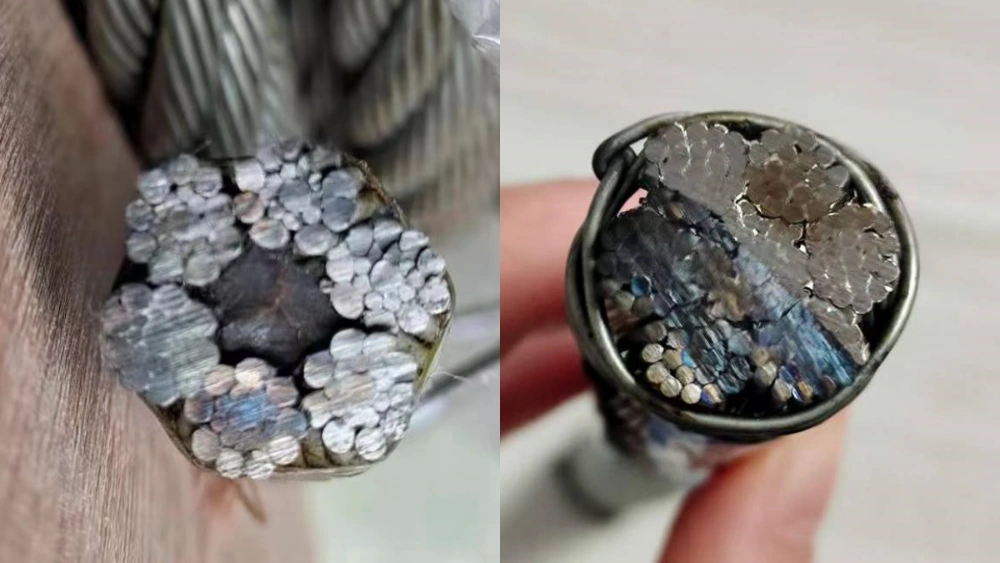
FC means fiber core, while IWRC means independent wire rope core. FC generally provides good flexibility, while IWRC provides stronger internal support and better resistance to crushing. I normally consider IWRC for heavier and more demanding applications.
When Do I Choose FC?
I choose FC when flexibility is important.
A fiber core can provide good flexibility and can help with lubricant retention. It can be a practical choice for some single-layer applications.
I do not automatically use FC for heavy lifting. I first check the required breaking load, drum arrangement, temperature, and working conditions.
When Do I Choose IWRC?
I choose IWRC when the rope needs stronger internal support.
The steel core helps support the outer strands. It can improve resistance to crushing and help the rope maintain its shape under heavy loading.
I often consider IWRC for cranes, heavy lifting, mining, and other demanding applications.
FC or IWRC: Which One Is Better?
I do not think one is always better.
| Requirement | FC | IWRC |
|---|---|---|
| Flexibility | High | Good |
| Internal support | Lower | Higher |
| Crushing resistance | Lower | Higher |
| Rope weight | Lower | Higher |
| Heavy-duty applications | Selected cases | Common choice |
| Multi-layer drum use | Depends on design | Often preferred |
I make the decision based on the actual equipment.
What Is the Difference Between Bright and Galvanized Wire Rope?
I normally choose between bright and galvanized rope based on the environment.
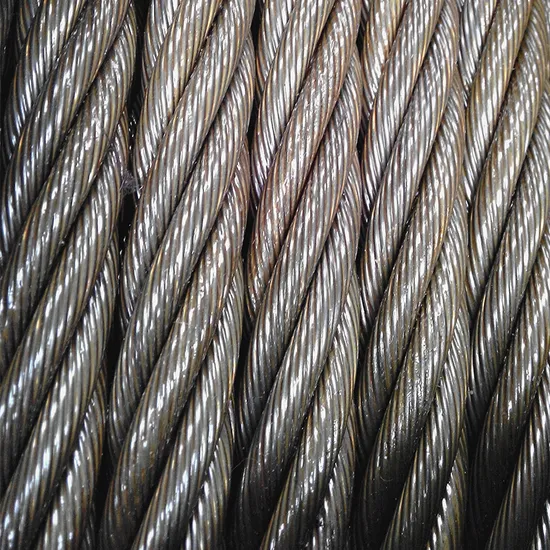
Bright wire rope has an untreated steel surface, while galvanized wire rope has a zinc coating. The zinc coating can improve corrosion resistance, so I often consider galvanized rope for outdoor, humid, marine, and other corrosion-sensitive environments.
When Do I Use Bright Wire Rope?
I use bright wire rope when the working environment is controlled.
Indoor cranes and some industrial equipment can use bright rope when moisture and corrosion are not major concerns.
Bright rope can also be suitable when the project specification requires an ungalvanized finish.
When Do I Use Galvanized Wire Rope?
I consider galvanized rope when the rope will face moisture or outdoor exposure.
The zinc coating creates a protective layer around the steel wire. This can slow corrosion and improve the rope’s suitability for some outdoor environments.
I still inspect and maintain galvanized rope. Galvanizing does not make a rope completely corrosion-proof.
What About Plastic-Impregnated Wire Rope?
I can also supply plastic-impregnated wire rope for specific applications.
The plastic material can provide additional protection around the rope structure. It can also help reduce the effect of moisture and contamination.
I normally discuss this option when the customer has special requirements for corrosion protection or internal protection.
How Do I Choose the Right Wire Rope?
I always start with the application. I do not start with the cheapest price.
I choose wire rope by checking the required load, breaking load, diameter, construction, core, tensile strength, lay direction, surface condition, bending conditions, equipment size, working environment, standard, and certificate requirements.

What Load Does the Rope Need to Carry?
I first ask about the working load.
The working load and breaking load are not the same. I need to consider the required safety factor and the actual equipment.
I never recommend using the rope at its breaking load.
The final selection needs to follow the applicable equipment requirements, standards, and safety procedures.
What Diameter Do I Need?
I then check the diameter.
The diameter needs to match the equipment. The sheave and drum should also be suitable for the rope.
If the rope diameter does not match the equipment, even a high-quality rope may not provide good service life.
What Working Conditions Should I Check?
I normally ask about:
- Load
- Rope speed
- Bending frequency
- Sheave diameter
- Drum type
- Number of layers
- Temperature
- Moisture
- Corrosion
- Abrasion
- Shock loading
- Installation method
These details help me narrow down the suitable construction.
Why Does Wire Rope Quality Matter?
I believe wire rope quality matters because the rope can become an important part of a lifting or moving system.
Good wire rope quality means controlled dimensions, stable mechanical properties, consistent construction, and reliable production. I also check testing, certificates, traceability, and manufacturing control instead of comparing price alone.
How Does Manufacturing Affect Quality?
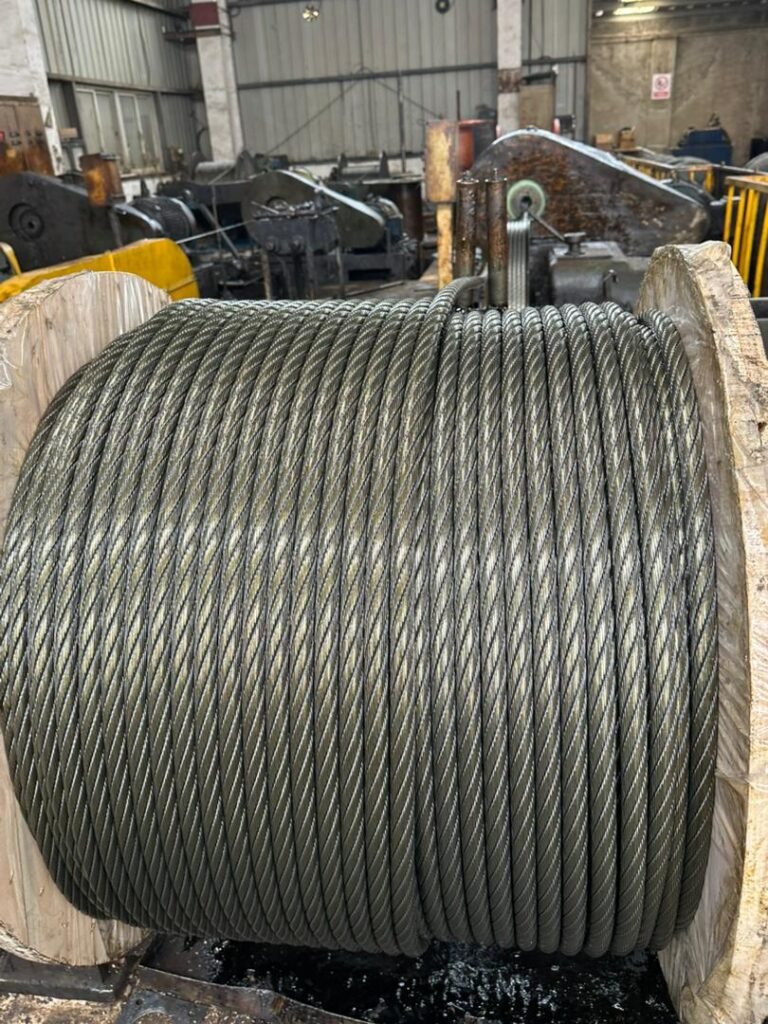
I know that rope quality starts before the finished rope is produced.
The steel wire needs controlled diameter and tensile strength. The strands need the correct arrangement. The closing process needs controlled tension and lay.
A small production problem can affect the finished rope.
This is why I pay attention to the factory’s production process and quality control.
Why Is Breaking Load Important?
I use breaking load as one of the main technical references.
The breaking load tells me how much load the rope can withstand under the specified test conditions. I then compare this information with the actual application.
I never use breaking load as a replacement for a proper working-load calculation.
Why Do Buyers Ask for Certificates?
I understand why large industrial buyers request certificates.
A certificate can provide important information about the product and testing. It can also help the buyer check whether the supplied rope meets the project specification.
Depending on the project, I can discuss requirements for BV, CE, RMRS, DNV, ABS, or other documentation.
How Can I Extend Wire Rope Service Life?
I believe correct selection is only the first step. The rope also needs correct installation, operation, inspection, and maintenance.
I can extend wire rope service life by selecting the correct construction, avoiding overload, maintaining suitable lubrication, checking sheaves and drums, preventing corrosion, and replacing the rope when inspection shows unacceptable damage.

What Should I Check During Inspection?
I look for visible damage and changes in the rope.
Common problems include:
- Broken wires
- Corrosion
- Abrasion
- Kinks
- Crushing
- Birdcaging
- Diameter reduction
- Heat damage
- Popped core
- Local deformation
These conditions can reduce the rope’s ability to perform safely. Regular inspection is therefore an important part of wire rope management.
Why Is Lubrication Important?
I use suitable wire rope lubricant when the application requires it.
Lubrication can reduce friction between wires and strands. It can also help protect the steel from corrosion.
I do not use the same lubrication method for every rope. I consider the rope construction, environment, operating temperature, and manufacturer’s instructions.
Why Do Sheaves and Drums Matter?
I always check the equipment around the rope.
A damaged sheave can create abnormal wear. A poor drum arrangement can cause crushing or uneven winding.
The rope and equipment need to work as one system.
Can I Customize Wire Rope?
I can customize many wire rope specifications according to project requirements.
I can customize diameter, construction, tensile strength, core, lay direction, surface condition, length, packaging, and specialized assemblies. I can also provide galvanized, plastic-impregnated, and other special options for suitable applications.
What Can I Customize?
I can normally discuss customization for:
| Specification | Customization |
|---|---|
| Diameter | Available according to production range |
| Construction | Different rope constructions |
| Tensile strength | Different strength grades |
| Core | FC, WSC, IWRC, etc. |
| Lay direction | Right or left hand |
| Surface | Bright or galvanized |
| Length | Customer requirement |
| Packaging | Coil, reel, or other options |
| End termination | Specialized assemblies |
| Certificates | Project requirements |
I normally ask for a drawing, specification, catalogue, previous supplier specification, or equipment information before I confirm a special rope.
What Information Should I Give a Wire Rope Supplier?
I always recommend giving complete technical information when requesting a quotation.
I normally need the diameter, construction, core, tensile strength, lay direction, length, quantity, surface condition, application, destination, required standard, and certificate requirements before I prepare a final wire rope quotation.
What Basic Information Do I Need?
| Item | Example |
|---|---|
| Diameter | 18 mm |
| Construction | 6×36 |
| Core | IWRC |
| Grade | 1960 MPa |
| Lay | Right-hand regular lay |
| Surface | Bright or galvanized |
| Length | 500 m per reel |
| Quantity | 10 reels |
| Application | Crane |
| Standard | EN 12385-4 |
| Certificate | BV, CE, DNV, ABS, etc. |
| Destination | Final delivery port |
I find that complete information helps me prepare a more accurate quotation.
It also helps me avoid recommending the wrong construction.
What Makes a Good Wire Rope Supplier?
I believe a good supplier should do more than provide a low price.
A good wire rope supplier should understand the application, confirm the technical specification, control production quality, provide suitable documentation, support inspection, and communicate clearly about delivery and service.
I also believe communication is important.
When a customer sends me a specification, I do not want to simply send back a price. I want to understand why the customer needs that rope.
If I know the application, I can check whether the construction, core, strength, coating, and length are suitable.
This approach can reduce mistakes before production starts.
Conclusion
A wire rope is a carefully designed combination of wires, strands, and a core. I choose it by balancing strength, flexibility, wear resistance, safety, application, quality, and cost.