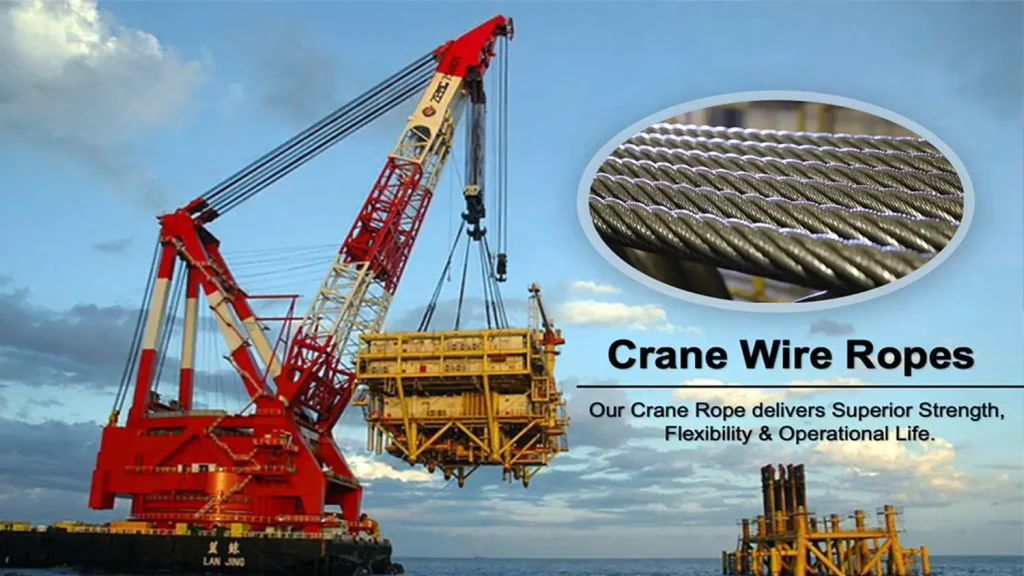
I often see a low-priced wire rope become expensive when the RFQ leaves key details open. The wrong assumption can delay approval, production, delivery, or installation.
I write a reliable wire rope RFQ by defining the application, diameter, construction, core, grade, finish, lay, length, breaking force, packaging, documents, and acceptance needs. I mark every unknown item for technical confirmation.
I treat the RFQ as the first quality document in the order. A clear request helps me compare suppliers fairly and gives every team the same technical target.
Why Does a Detailed Wire Rope RFQ Matter?
I want quotations that describe the same product. I cannot compare prices well when each supplier fills missing information with a different assumption.
A detailed RFQ reduces technical ambiguity before production. It lets me compare equivalent offers, check certificates and packing, plan installation, and find missing decisions while changes are still easier and less costly.
I use the RFQ to control assumptions
I separate confirmed requirements from open questions. I write “to be confirmed” when my team has not approved a value. I do not copy a number from an old invoice unless I can connect it to the current machine and duty.
I also state the application in plain language. A rope used for a crane hoist, mining installation, marine winch, elevator, or general industrial task can face very different bending, crushing, corrosion, and rotation demands. The product name alone does not tell the supplier enough.
ISO 2408 covers manufacturing, testing, acceptance, packing, marking, and quality certificates for several general-purpose steel wire rope groups. The standard also excludes some applications, including mining ropes and lift ropes. I therefore name the governing standard only after I confirm that its scope matches the application. ISO 2408 scope
| RFQ condition | Risk I see | Action I take |
|---|---|---|
| The application is missing | The supplier cannot review service demands | I describe the machine and rope function |
| The rope description is partial | Different constructions may be quoted | I list every approved rope property |
| The standard is copied without checking | The standard may not cover the application | I confirm its current scope |
| Unknown data is guessed | The quotation may look complete but be wrong | I mark the item for confirmation |
What Application Data Do I Give the Supplier?
I start with the machine and operating conditions. I want the supplier to understand what the rope must do before discussing a product code.
I provide the equipment type, rope function, reeving, drum and sheave data, operating environment, duty pattern, load information, speed, installation limits, and current rope performance. I identify every value’s source.
I describe the equipment interface
I provide the machine manufacturer, model, and serial reference when available. I state whether the rope is used for hoisting, luffing, closing, drag, boom support, traction, compensation, or another function. I attach the relevant manual page or drawing revision when the owner allows it.
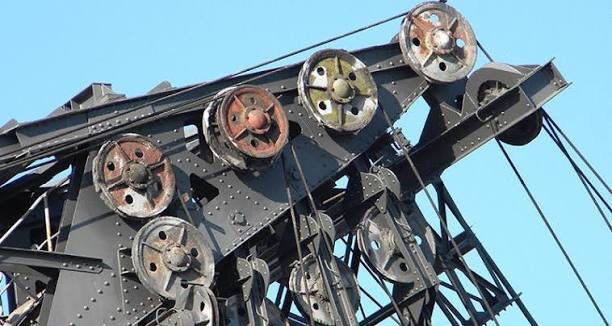
I include drum and sheave information because the rope works as part of a system. I record groove details, drum arrangement, number of layers, fleet angle information, and the actual reeving path when these affect selection. I ask the equipment maker to resolve unclear interface data.
I describe the environment and duty
I explain whether the rope will work indoors, outdoors, underground, offshore, near salt water, in dust, in heat, or around chemicals. I state the normal and unusual conditions. I do not replace this description with one broad word such as “marine.”
I also describe operating frequency and expected storage time. I note whether the machine has long idle periods or repeated high-cycle work. I provide the load data defined by the equipment maker, but I do not treat rope minimum breaking force as the permitted working load.
When I replace an existing rope, I include its identification and service record. I report crushing, corrosion, rotation, uneven spooling, broken wires, or early discard. I do not ask a new supplier to fix an unexplained problem with only a photograph.
Which Rope Specifications Do I Put in the RFQ?
I write the rope specification in a consistent order. I want a reviewer to see missing fields immediately instead of searching through emails.
I specify nominal diameter, rope class or construction, core, rope grade, minimum breaking force, lay direction and type, finish, lubrication, preforming or compaction needs, length, tolerance, and end preparation.
I keep construction and class separate
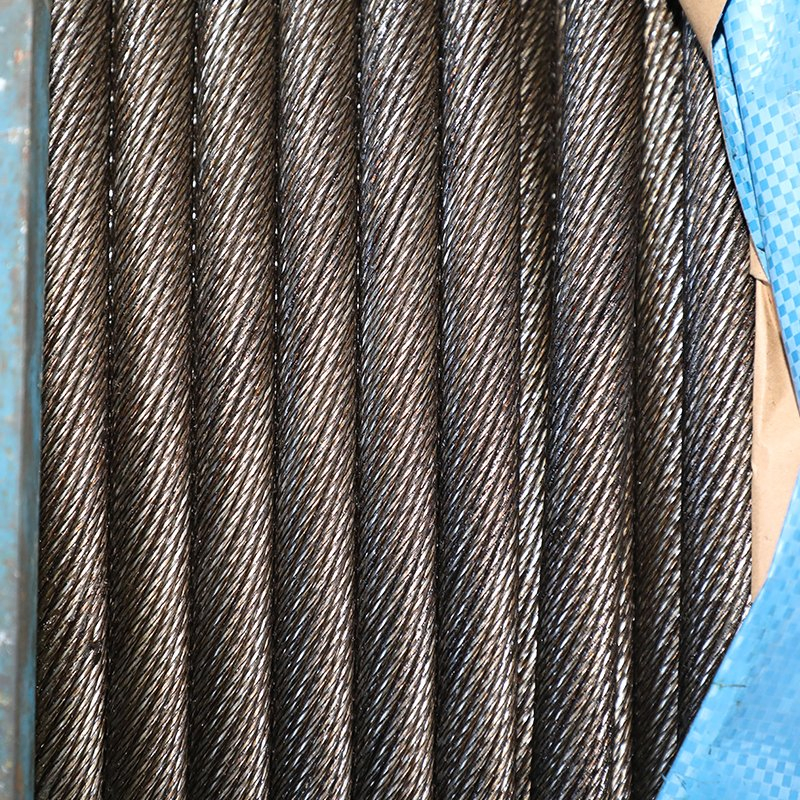
I do not use labels such as 6×19 or 6×36 as complete specifications. A class can include several constructions with different wire arrangements. I state the exact construction when the equipment maker has approved one. If only a class is known, I ask the supplier to state the offered construction clearly.
I also state the core. A fiber core, independent wire rope core, or other engineered core changes rope behavior. I do not assume the core from the strand count.
I connect strength data to a defined rope
I state the required rope grade and minimum breaking force with units. I make sure the figure belongs to the same diameter, construction, core, grade, and standard in the RFQ. I ask the supplier to show the value in the quotation and later certificate.
I keep safety factors and allowable operating loads under the equipment designer, owner, and applicable rules. I do not calculate a working load by applying one general divisor to a catalogue breaking force.
I make finish and lay explicit
I state whether the rope is bright, galvanized, stainless, plastic-coated, plastic-impregnated, or supplied with another approved protection. I ask for coating details when they matter. I also state right or left lay and ordinary or lang lay where applicable.
I confirm lay against the machine documentation. I do not choose lay direction only from a photograph of the old rope. A reversed image, twisted sample, or changed installation can mislead the buyer.
| Specification field | Example of a clear entry | Entry I avoid |
|---|---|---|
| Diameter | 28 mm nominal, tolerance per stated standard | “About 28 mm” |
| Construction | Approved construction and core stated separately | “6-strand rope” |
| Strength | Grade and minimum breaking force with units | “High tensile” |
| Finish | Bright or coating system defined | “Rust proof” |
| Lay | Direction and lay type confirmed | “Standard lay” |
| Length | Required length and tolerance | “One full reel” |
How Do I Define Length, Ends, and Assemblies?
I treat length as a measured requirement, not a rough purchasing quantity. I also define whether I need plain rope or a finished assembly.
I state the ordered length, measurement basis, tolerance, end condition, and any fitting details. For assemblies, I provide drawings, pin and interface dimensions, orientation, proof requirements, and the approved method for measuring finished length.
I define what the length means
I specify whether the length applies to the bare rope, a cut length, or a completed assembly. I state the measurement reference for sockets, eyes, loops, or other fittings. I avoid phrases such as “same as sample” unless the supplier receives and verifies an identified sample.
I include the length tolerance required by the project. If installation needs an allowance, I state who calculated it and whether it is already included. I do not add an informal extra percentage after the quotation.
I control termination details
I identify end A and end B on a drawing. I state fitting type, material, size, pin diameter, orientation, and any interface tolerance. I include required inspection or proof documentation. I ask the supplier to confirm termination efficiency and any effect on assembly capacity under the governing design.
I also define how the ends must be secured for shipping or field cutting. I use the rope maker’s instructions for special and rotation-resistant ropes. I do not let a general packing note replace the approved end-preparation method.
What Packaging and Delivery Information Do I Include?
I plan unloading and storage before dispatch. A correct rope can still create risk and delay when the reel does not fit the site’s equipment.
I specify reel type, maximum package size and mass, winding direction, end access, protective wrapping, labels, lifting information, storage exposure, shipping marks, and delivery sequence. I require the supplier to confirm final reel data.
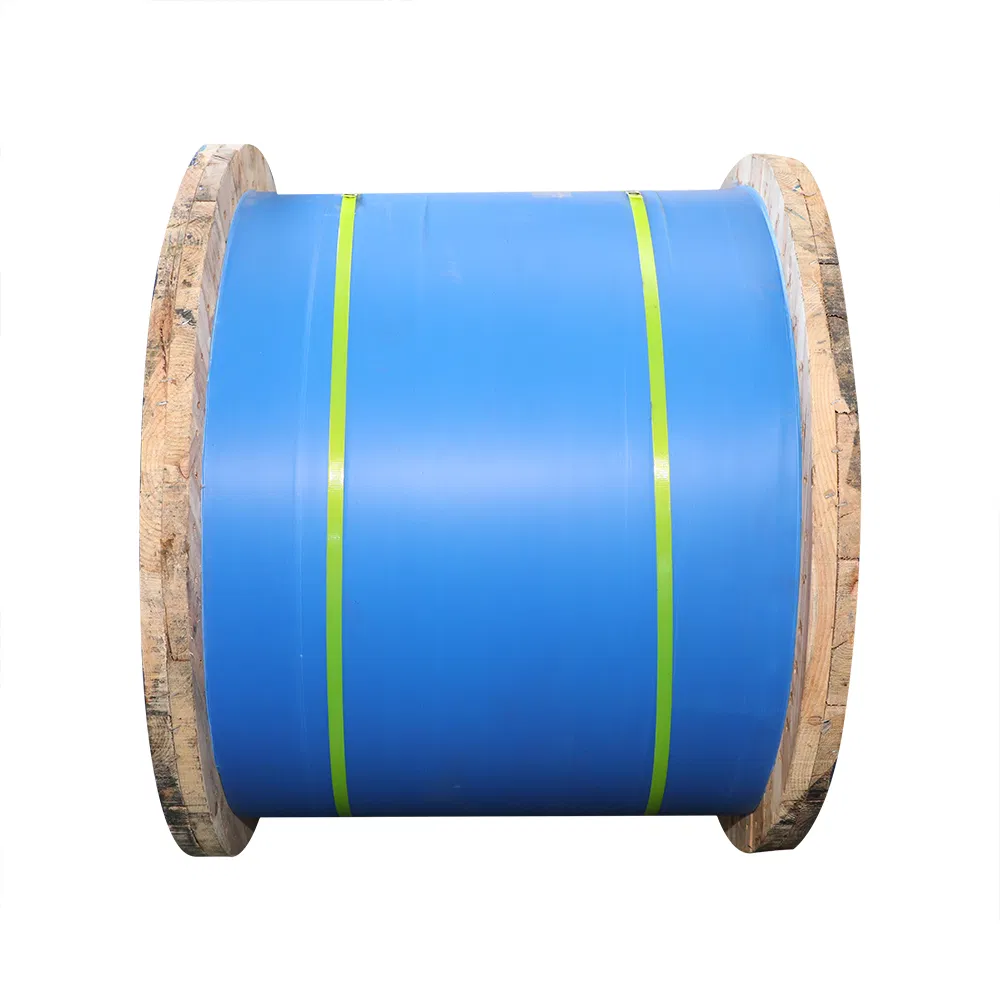
I match the reel to the site
I ask the installation team about shaft size, stand capacity, braking method, available lifting equipment, and access limits. I give the supplier any maximum reel dimensions or gross mass. I request the final drawing and mass before shipment when site limits are strict.
I state the required payout orientation and accessible rope end. I do not assume the warehouse can reverse a heavy reel safely after delivery.
I separate transport protection from storage
I explain the route, weather exposure, and expected storage period. I ask the supplier to propose suitable packing and ventilation. I also request clear identification on the reel and documents.
I include the purchase order, item, reel, batch, rope description, length, gross mass, and handling marks in my labelling requirements where relevant. I want the receiving team to match the physical reel to its certificate without opening every package.
Which Certificates and Tests Do I Request?
I decide document requirements before price approval. Late certificate requests can affect production, testing, inspection, and delivery.
I name the required standard, certificate type, test reports, inspection witness points, traceability, language, and approval authority in the RFQ. I ask the supplier to confirm availability and cost before order placement.
I request documents that match the order
I ask for a certificate that identifies the manufacturer, rope description, minimum breaking force, and traceable references required by the applicable standard or project. I also ask how individual reels connect to the document.
ISO 2408 states requirements for testing, acceptance, marking, packing, and a certificate of quality within its scope. I use that as one reference when it applies. I do not claim that the same certificate format automatically satisfies mining, elevator, offshore, or classification requirements.
I state third-party needs early
If the project requires BV, DNV, ABS, RMRS, CE-related documentation, or another approval, I name the exact product scope and document expected. I ask whether inspection, witnessing, design approval, or material review is required. I do not write only “certificate needed.”
I also confirm which organization, edition, and project rules apply. A logo on a brochure is not evidence that a specific rope and order will receive the required document.
| Document question | What I confirm |
|---|---|
| Which standard applies? | Title, edition, scope, and project reference |
| What certificate is needed? | Exact type and information required |
| Is third-party involvement needed? | Agency, stage, witness point, and responsibility |
| What tests are required? | Method, sample, acceptance criteria, and report format |
| How is traceability shown? | Reel, batch, certificate, and marking connection |
How Do I Compare Supplier Quotations Fairly?
I use a compliance table instead of comparing only the total price. I want every deviation visible before technical approval.
I compare each quotation line by line against the RFQ. I record compliant items, alternatives, exclusions, lead time, documents, packing, and commercial terms. I send technical deviations for approval before choosing a supplier.

I make deviations easy to see
I ask suppliers to return the same technical schedule. I do not accept “as requested” when the offered rope description is absent. I ask for a clear offered value in each critical field.
I separate an approved equivalent from an unapproved substitute. When a supplier proposes a different construction, grade, coating, core, or length, I ask for technical data and written approval from the responsible engineer or equipment maker.
I compare total delivered value
I include freight, reel charges, inspection fees, certificate costs, packing, taxes where relevant, and delivery terms. I also compare manufacturing lead time and document lead time. A rope that arrives without the required approval may not be usable.
For an Aulone enquiry, I ask the buyer to send the machine data, current rope specification, required documents, destination, and schedule. I then confirm the offered rope and open questions in writing. I treat any certification statement as order-specific and subject to valid documentation.
What Final Check Do I Make Before Issuing the RFQ?
I ask another qualified person to review the package. A short independent check often finds a copied value or missing drawing revision.
I verify units, application, rope designation, breaking force, length, ends, standards, documents, packing, quantity, and delivery terms. I attach controlled references and list unresolved decisions with owners and due dates.
I use one controlled checklist
I keep the final technical schedule, drawings, and commercial request under one RFQ reference. I remove superseded drafts from the issue package. I state the closing date and the required quotation validity.
I check that metric and imperial units are not mixed without clear conversions. I verify that every attachment number and revision appears in the RFQ. I also confirm that contact details for technical questions are correct.
I preserve the decision trail
I record who approved each change before order placement. I transfer the final specification into the purchase order without shortening it to a product name. I keep the accepted quotation and deviations with the order record.
The Wire Rope Technical Board describes its current user manual as covering rope identification, construction, handling, installation, inspection, maintenance, and physical properties. I use such technical references to support review, but I still require application-specific approval. Wire Rope User’s Manual overview
Conclusion
I prevent RFQ errors by defining the rope, application, documents, and delivery package clearly. I mark unknowns, control revisions, and approve every deviation before ordering.