When I choose an elevator system, I need to think about safety, load, speed, space, and maintenance. A low-cost choice can become expensive when rope wear causes repeated repairs.
Rope and wire rope elevators offer high load capacity, reliable traction, good travel speed, and flexible applications. Their main disadvantages are rope wear, regular inspection, maintenance needs, and sensitivity to poor installation or incorrect rope selection.
I have worked with wire ropes for many years. I have learned that the elevator rope is not just a small part of the machine. It directly affects how the elevator runs. I therefore want to look at both the advantages and disadvantages before choosing a rope elevator.
How Do Rope and Wire Rope Elevators Work?
I find the basic principle of a rope elevator quite simple. An electric traction machine moves the elevator car through wire ropes and a counterweight. This design remains widely used in modern elevator systems.
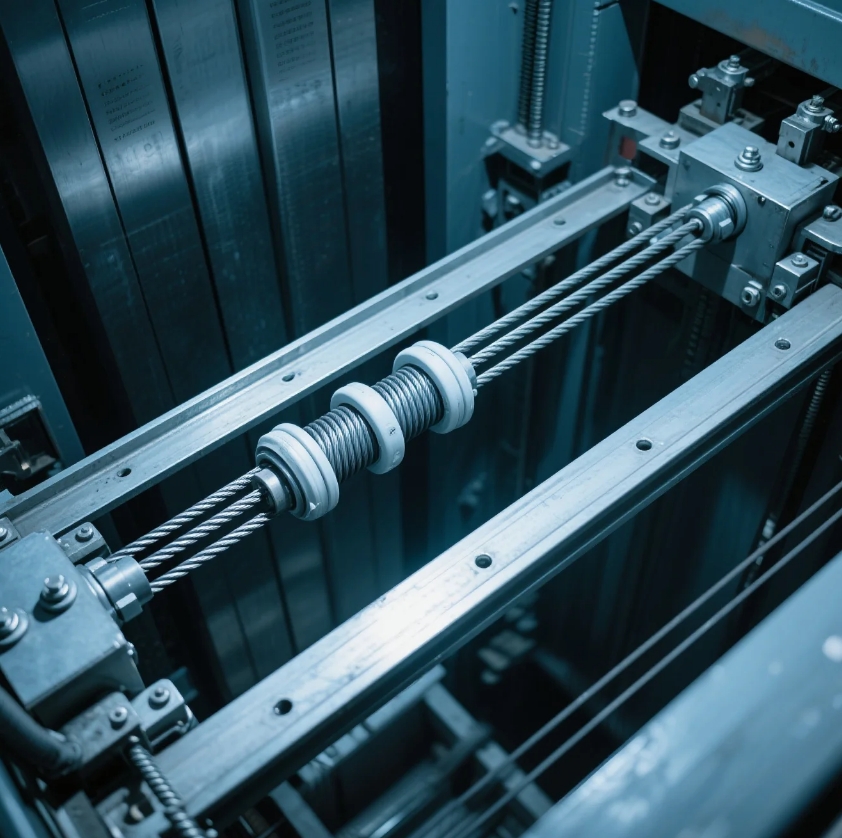
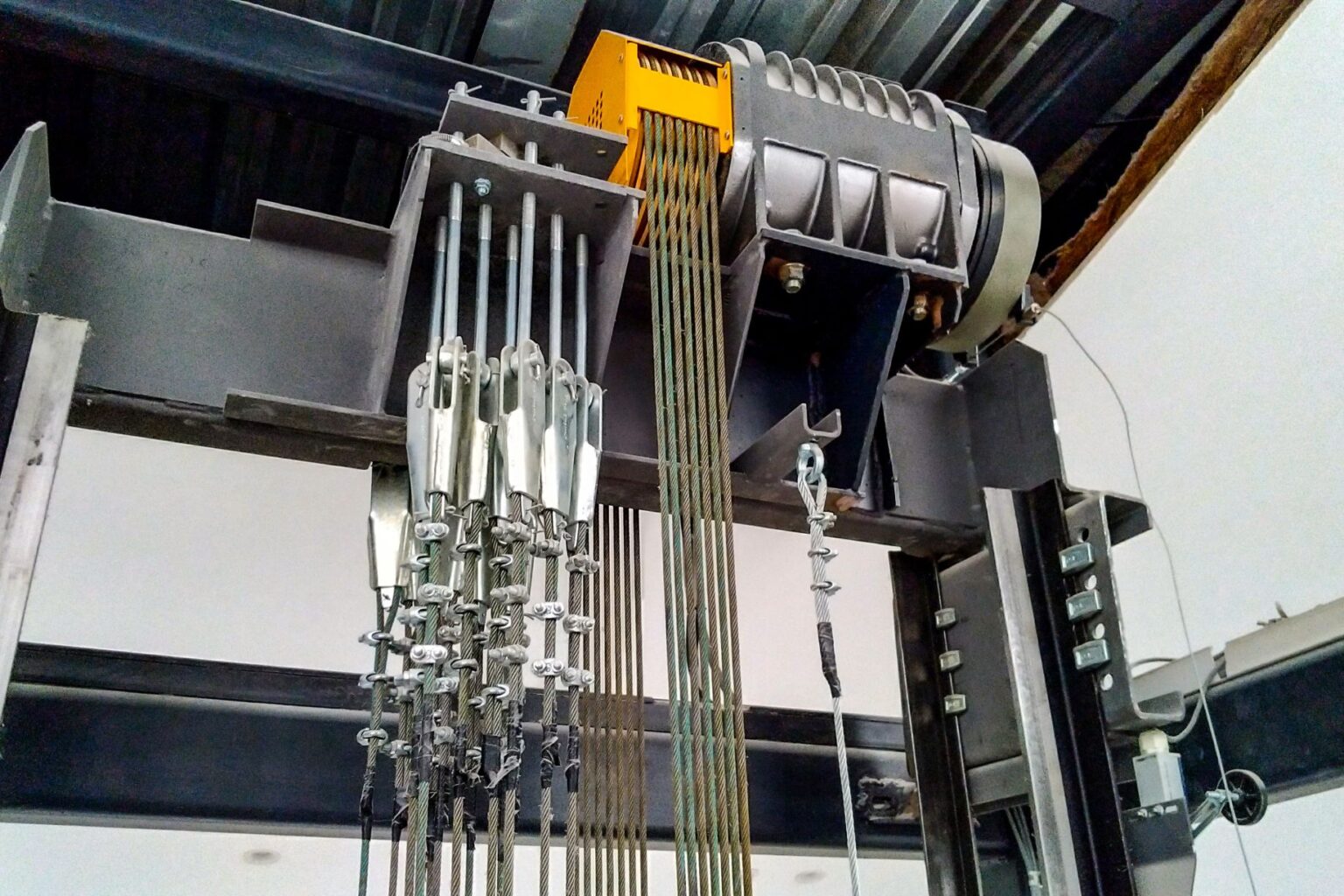
A rope elevator uses a traction machine, wire ropes, a traction sheave, a counterweight, and guide rails. The traction sheave moves the ropes, while the counterweight reduces the load that the motor needs to move.
What Is the Role of the Wire Rope?
I see the wire rope as one of the key mechanical parts of the elevator.
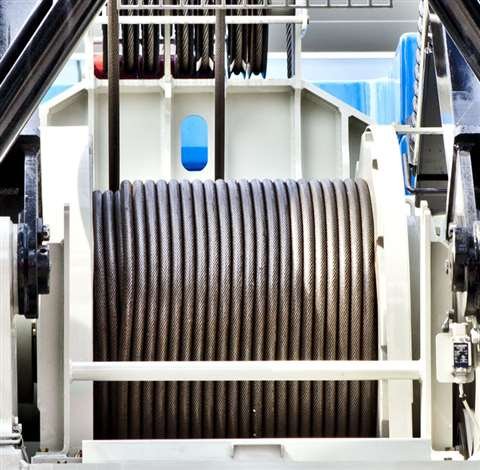
The rope connects the elevator car with the counterweight. The rope passes around the traction sheave. Friction between the rope and the sheave allows the traction machine to move the car up and down.
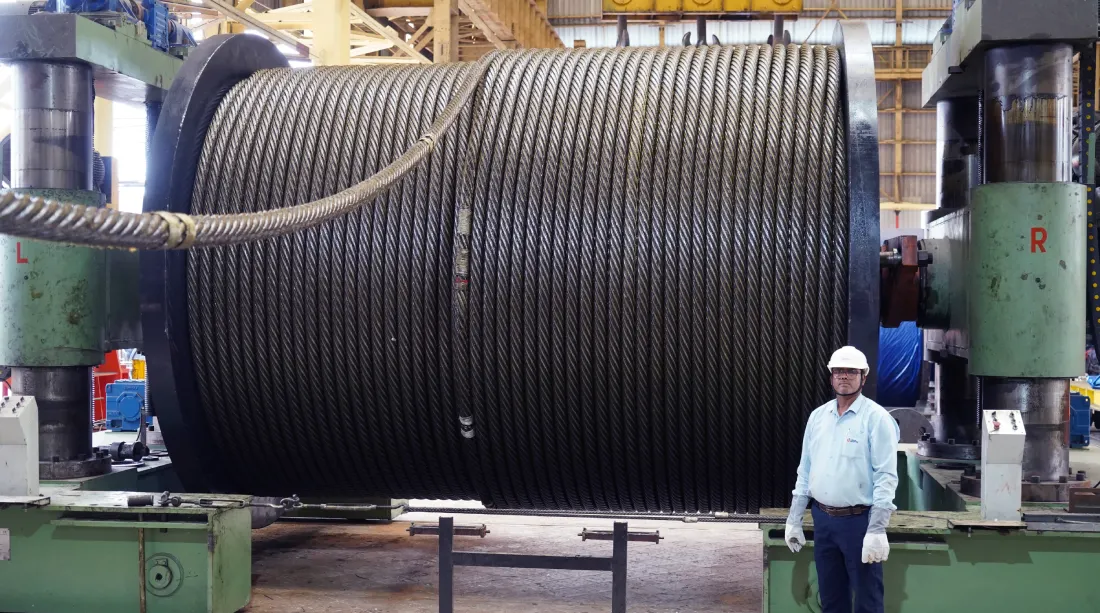
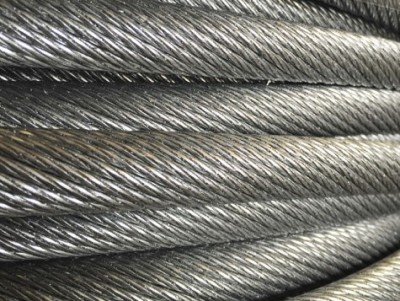
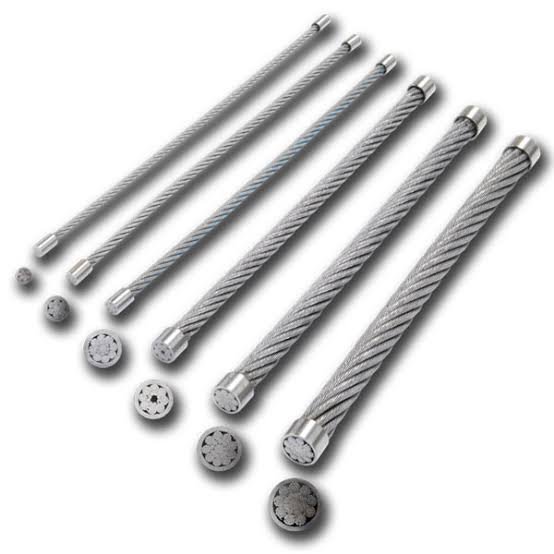
A steel wire rope is made from many small steel wires. These wires form strands, and the strands form the rope around a core. This structure allows the rope to bend around sheaves many times during normal operation.
Why Does the Counterweight Matter?
The counterweight helps reduce the work required from the motor.
In a typical traction system, the counterweight balances the car and part of the rated load. The motor therefore does not need to lift the entire elevator system from zero each time.
I think this is one reason why traction elevators remain useful for many buildings.
What Parts Do I Need to Consider Together?
| Component | Main Function |
|---|---|
| Wire rope | Supports and moves the elevator car |
| Traction sheave | Transfers traction force to the rope |
| Counterweight | Balances the car and part of the load |
| Motor | Provides driving power |
| Brake | Stops and holds the elevator |
| Guide rails | Controls vertical movement |
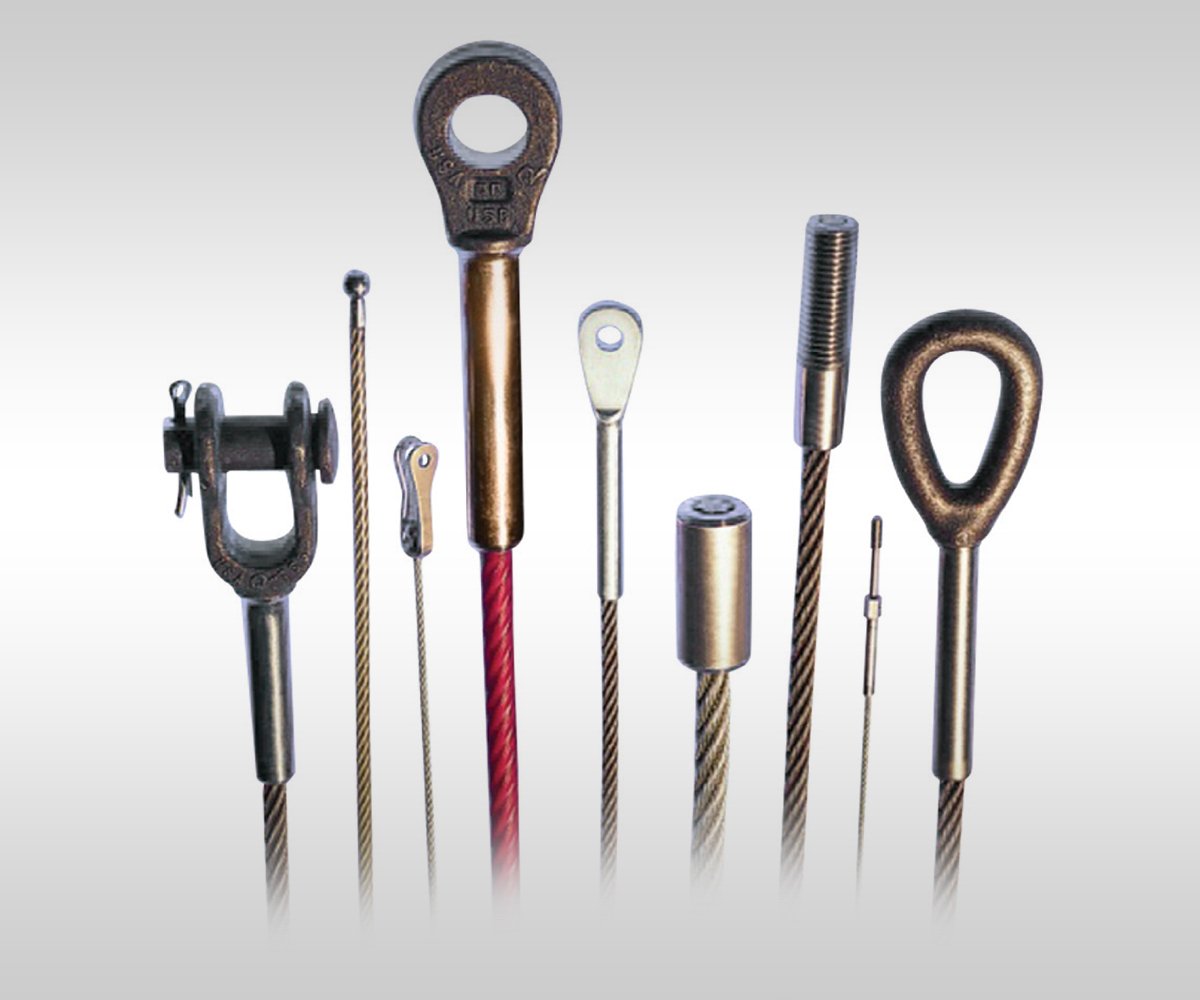
| Rope termination | Connects the rope to the elevator system |
I do not recommend choosing the wire rope separately from these components. The rope needs to work with the complete elevator system.
What Are the Main Pros of Rope and Wire Rope Elevators?
I see several reasons why rope elevators remain popular. They can support different building types and load requirements. They also have a long history of use in vertical transportation.
The main advantages are high lifting capacity, flexible travel height, good speed, proven traction technology, energy efficiency from counterweight systems, and wide availability of replacement ropes and components.
Can Rope Elevators Handle High Loads?
Yes. Rope elevators can support many different load requirements.
The wire rope provides high tensile strength. The traction system also distributes the load between the rope, car, counterweight, and machine.
I usually pay close attention to the required breaking load when I prepare a wire rope quotation. I also check the rope diameter and construction because breaking load is only one part of the selection.
A stronger rope is not automatically a better rope. The rope also needs suitable flexibility and fatigue performance.
Are Rope Elevators Good for High Buildings?
I think rope elevators are especially useful when the travel distance becomes longer.
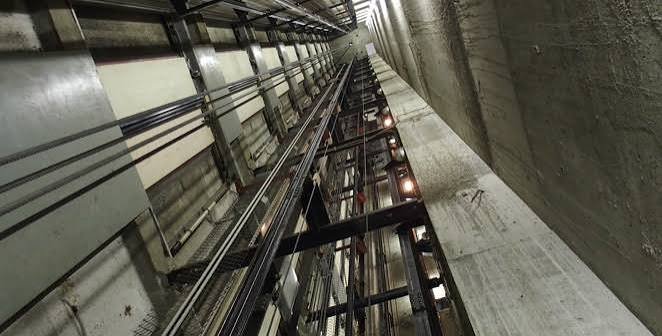
Hydraulic elevators have different limitations because they use a piston system. Traction elevators can use wire ropes and counterweights to move the car through longer vertical distances.
PFEIFER, for example, separates traction ropes into high-rise, mid-rise, and low-rise applications. This shows why rope selection should follow the elevator application.
Can Rope Elevators Run at High Speed?
Yes, depending on the complete elevator design.
High-speed applications place more demands on the rope, sheave, traction machine, guide system, and control system.
I would not select a rope simply because its tensile strength is high. I would also check bending conditions, sheave diameter, rope construction, lubrication, and operating frequency.
Can Rope Elevators Save Energy?
The counterweight can reduce the amount of work required from the motor.
The system does not need to lift the full weight of the elevator car and passengers every time. The counterweight balances much of the system.
I see this as an important advantage when an elevator operates many times every day.
Are Replacement Ropes Easy to Find?
In most major markets, elevator wire ropes are available in different constructions, diameters, cores, and lay directions.
I can also supply customized wire ropes according to the project requirements. I can provide different surface treatments and certificates when required.
This availability can help reduce the risk of long downtime when replacement is needed.
What Are the Main Cons of Rope and Wire Rope Elevators?
I do not think rope elevators are perfect. The biggest issue is that the wire rope is a working mechanical component. It bends, carries load, and passes over sheaves again and again.
The main disadvantages include rope fatigue, wear, corrosion, regular inspection, lubrication requirements, installation sensitivity, and possible maintenance costs over the elevator’s service life.
Does Elevator Wire Rope Wear Out?
Yes.
The rope can experience repeated bending every time the elevator moves. The wires can also experience abrasion, corrosion, and other forms of damage.
I therefore do not treat elevator wire rope as a permanent component.
The actual service life depends on the rope design, elevator design, operating conditions, installation, maintenance, and environment. There is no single service-life number that applies to every elevator.
Can Small Sheaves Affect Rope Life?
Yes.
The rope needs to bend around the sheave. A small sheave creates more severe bending conditions.
I always recommend checking the relationship between the rope and the sheave before selecting the rope.
A rope that looks strong on paper can still perform poorly if the system forces it to bend under unsuitable conditions.
Can Corrosion Become a Problem?
Yes.
Moisture and aggressive environments can affect steel wire rope. Corrosion can reduce the condition of individual wires and can eventually affect rope performance.
I may recommend galvanized wire rope when the application requires additional corrosion protection. Galvanized elevator ropes are available for applications where lubrication alone may not provide enough protection.
However, I still follow the elevator manufacturer’s specification. I do not choose galvanized rope simply because it sounds more durable.
Does Maintenance Increase the Cost?
It can.
The elevator owner needs to inspect the rope and other mechanical parts regularly. The maintenance team may need to check rope condition, lubrication, traction sheaves, connections, alignment, and other components.
I think maintenance is not a weakness of the rope system. It is part of using a mechanical lifting system safely.
How Does Wire Rope Quality Affect Elevator Performance?
I believe this is one of the most important questions for buyers. A cheap rope can reduce the purchase price, but the purchase price is not the same as the total cost of ownership.
Wire rope quality affects breaking load, fatigue resistance, flexibility, corrosion resistance, traction performance, maintenance needs, and the possible service life of the rope.
Which Specifications Should I Check?
When I receive an elevator wire rope inquiry, I normally check several specifications first.
| Specification | Why I Check It |
|---|---|
| Diameter | It must match the elevator design |
| Construction | It affects flexibility and fatigue behavior |
| Tensile strength | It affects breaking load |
| Core | It affects rope structure and performance |
| Lay direction | It needs to match the application |
| Surface | It affects corrosion protection |
| Length | It affects production and packaging |
| Standard | It confirms technical requirements |
| Certificate | It supports quality verification |
I also ask for a drawing, catalog, previous supplier specification, or elevator manufacturer’s recommendation when possible.
This information helps me avoid giving a price for the wrong product.
Is Higher Tensile Strength Always Better?
No.
I often see buyers focus on tensile strength first. I understand this because a higher tensile strength can provide a higher breaking load.
However, an elevator rope also needs to bend repeatedly. Flexibility and fatigue resistance therefore matter.
I prefer to look at the complete rope specification. I do not recommend choosing a rope from one number alone.
Does Rope Construction Matter?
Yes.
Different rope constructions provide different performance characteristics.
Some constructions focus more on flexibility. Others focus more on strength, stability, or fatigue resistance.
I would not use a crane rope specification directly for an elevator application. The operating conditions are different.
The elevator manufacturer normally has specific requirements for the rope construction, diameter, and performance.
Should I Choose Bright or Galvanized Elevator Wire Rope?
I think the choice depends on the application and the manufacturer’s requirements.
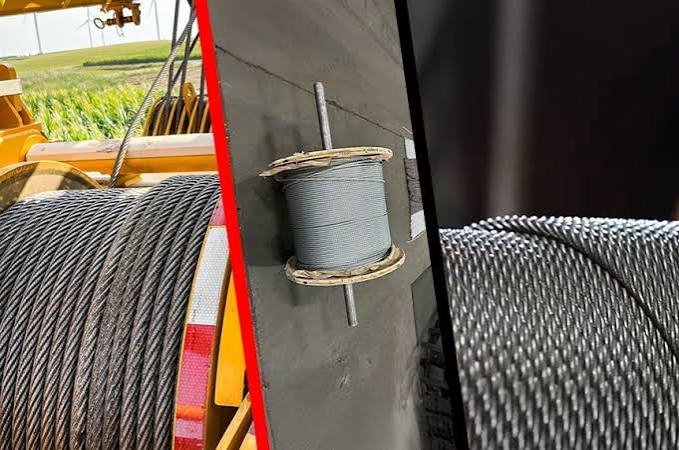
Bright wire rope can be suitable for many standard indoor applications, while galvanized wire rope can provide additional corrosion protection when the environment requires it. The final choice should follow the elevator system specification.
When Would I Choose Bright Wire Rope?
I would consider bright wire rope when the elevator operates in a normal indoor environment and the elevator manufacturer specifies this type.
The rope still needs proper lubrication and inspection.
I do not think bright rope means low quality. The surface treatment needs to match the operating environment.
When Would I Choose Galvanized Wire Rope?
I would consider galvanized rope when corrosion protection is more important.
This can be useful in environments with higher moisture or other corrosion risks.
However, I would still check compatibility with the traction sheave and elevator system before ordering.
Is Plastic-Impregnated Rope Useful?
Plastic-impregnated rope can provide additional protection around the rope structure.
I consider it when the application needs better protection from moisture, dirt, or other external conditions.
The production process also matters. The rope needs controlled diameter, stable construction, and good surface quality.
I therefore recommend checking the complete technical specification rather than looking only at the plastic coating.
Are Rope Elevators Better Than Gearless Elevators?
I would not give one answer for every project.
Gearless traction machines can offer smooth operation and can help reduce machine-room equipment size and improve energy efficiency. Geared and gearless traction machines are both used in rope elevator systems.
Rope elevators with geared or gearless traction systems can both be effective. I would choose based on building height, speed, load, machine-room design, budget, maintenance resources, and project requirements.
When Would I Choose a Gearless System?
I would consider a gearless system when the project requires high speed, smooth operation, or compact machine-room equipment.
Gearless systems remove the gearbox between the motor and traction sheave. This can reduce some mechanical transmission losses and support efficient operation.
However, I would still compare the initial investment and maintenance requirements.
Is a Geared System Still Useful?
Yes.
A geared traction system can still be a practical choice for many applications.
I think the best system is the one that matches the building and operating requirements. A more advanced system is not always the most economical system for every project.
How Can I Reduce the Problems of Rope and Wire Rope Elevators?
I believe most rope-related problems can be reduced when the correct rope is combined with correct installation and maintenance.
I can reduce rope problems by choosing the correct rope construction, matching the rope with the sheave, controlling installation quality, maintaining proper lubrication, and inspecting the rope at regular intervals.
What Should I Check Before Ordering?
I recommend preparing the following information:
| Information | Example |
|---|---|
| Application | Passenger or freight elevator |
| Rope diameter | Project-specific |
| Construction | Manufacturer requirement |
| Tensile strength | Project-specific |
| Core | Fiber core or steel core |
| Lay | Right-hand or left-hand |
| Length | Required meters |
| Quantity | Number of ropes |
| Standard | Required standard |
| Certificates | Required certificates |
I can then check production feasibility and prepare a more accurate quotation.
Why Should I Provide the Previous Rope Specification?
I find the previous rope specification very useful.
If the elevator is replacing an existing rope, the old rope specification can provide important information.
A buyer can send me a photo of the rope marking, label, certificate, drawing, or previous quotation.
I can use this information to compare the construction and technical requirements before I recommend a replacement.
How Should I Choose a Wire Rope Supplier?
I think supplier selection should focus on more than price.
I recommend checking production capability, quality control, technical support, certificates, customization ability, delivery capacity, and international export experience before selecting a wire rope supplier.

What Should I Check About the Factory?
I would check these points before placing an order:
| Factory Factor | Why It Matters |
|---|---|
| Production lines | Shows production capacity |
| Quality control | Helps keep rope performance stable |
| Raw materials | Affects rope quality |
| Testing | Helps confirm technical performance |
| Certificates | Supports project requirements |
| Stock | Can help with urgent orders |
| Customization | Helps with special specifications |
| Export experience | Helps with international delivery |
My factory has four production lines. I focus on stable quality and international supply.
I can supply wire rope for elevator, crane, mining, marine, and other industrial applications.
I can also support customized requirements and provide BV, CE, RMRS, DNV, or ABS certificates when the project requires them.
What Is My Final View on Rope and Wire Rope Elevators?
I see rope and wire rope elevators as mature and practical systems. They have strong advantages, but they also need correct rope selection and regular maintenance.
For me, the best elevator wire rope is not simply the strongest or cheapest rope. It is the rope that matches the elevator design, load, speed, sheave, operating environment, standard, and maintenance plan.
I believe buyers should compare the complete system instead of comparing only the rope price. A good rope can support stable elevator operation, but the rope needs the right system around it.
Conclusion
Rope and wire rope elevators offer strong capacity, reliable traction, flexible applications, and proven performance. Their long-term value depends on correct selection, installation, inspection, and maintenance.