The short answer: there is no single worldwide wire rope standard — EN 12385-4 governs ropes for general lifting in Europe, API 9A governs oilfield ropes, the GOST system governs the CIS market, and international projects usually specify ISO 2408 backed by a class-society certificate from DNV, ABS, BV or RMRS. The good news is that these standards are not competitors; they are overlapping ways of describing the same product, and one well-made rope can genuinely comply with several of them at once. The bad news is that buyers mix them up constantly — I have quoted the same 6×36WS-IWRC rope against an EN grade, an API class and a GOST marking group in a single week. Here is how the systems actually relate, and how to read a certificate from each.
Why the Standards Exist — and Why They Do Not Compete
Before diving into the systems, it helps to be clear about what a rope standard actually does. It fixes four things: the materials (wire quality before ropemaking), the constructions and dimensions (with tolerances), the minimum breaking force you can demand for each diameter and grade, and the verification — how the rope is tested and what the certificate must state. Everything else on a quotation is manufacturer’s choice.
Which standard applies is therefore not a technical question first — it is a market and regulatory question. A crane rope shipped into the EU needs EN 12385-4 conformity for the Machinery Directive. A drilling line for a land rig needs API 9A because the operator’s well-control and lifting programs are built around API documents. A rope for a Russian or Kazakh mine historically needs GOST certification. An offshore project with a Norwegian or American classification society will ask for ISO 2408 manufacture with DNV or ABS witnessing the test. Same rope physics in every case; different paperwork.
The Major Standards at a Glance
| Standard | Where it governs | Scope | Typical ropes |
|---|---|---|---|
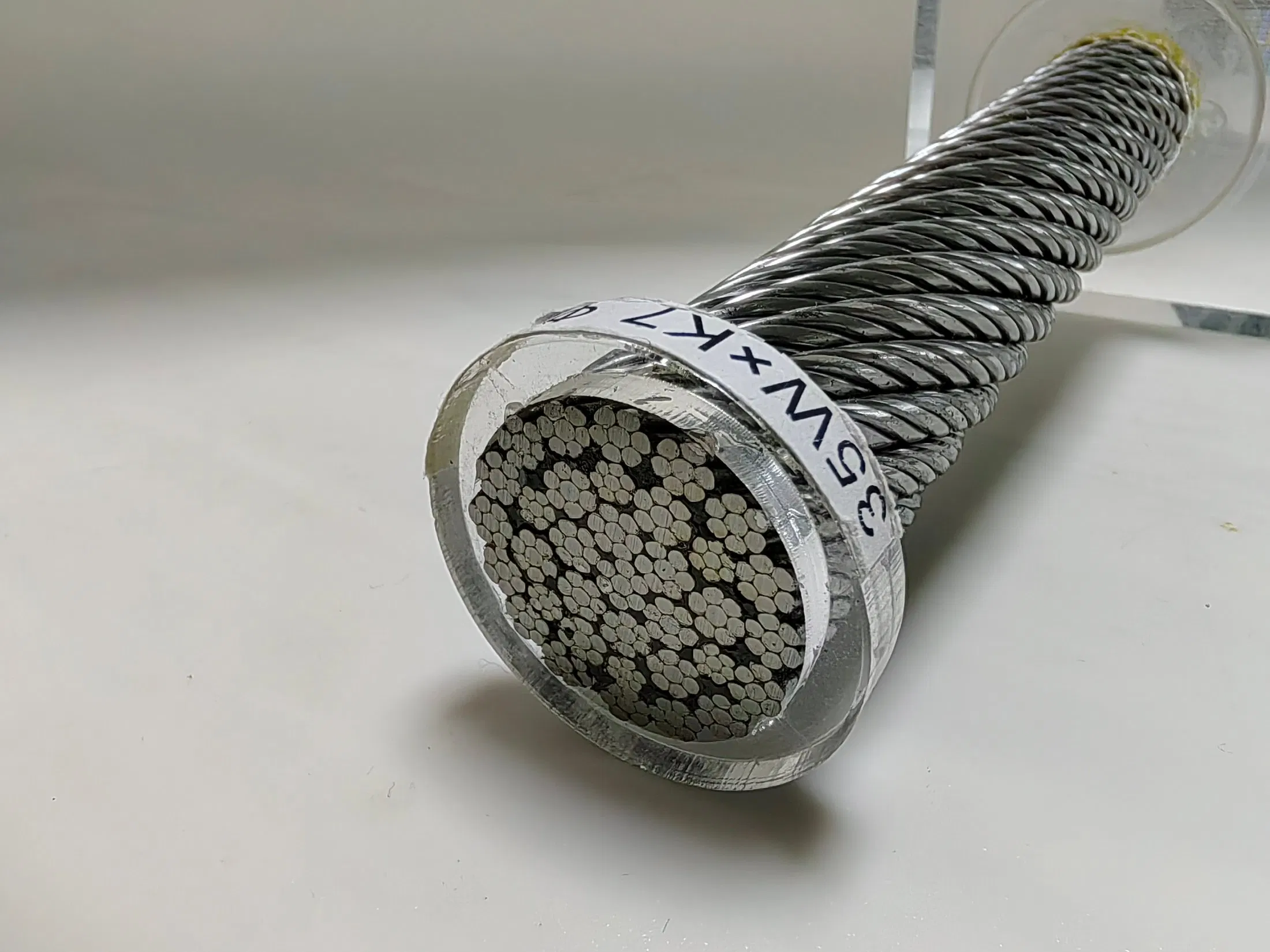
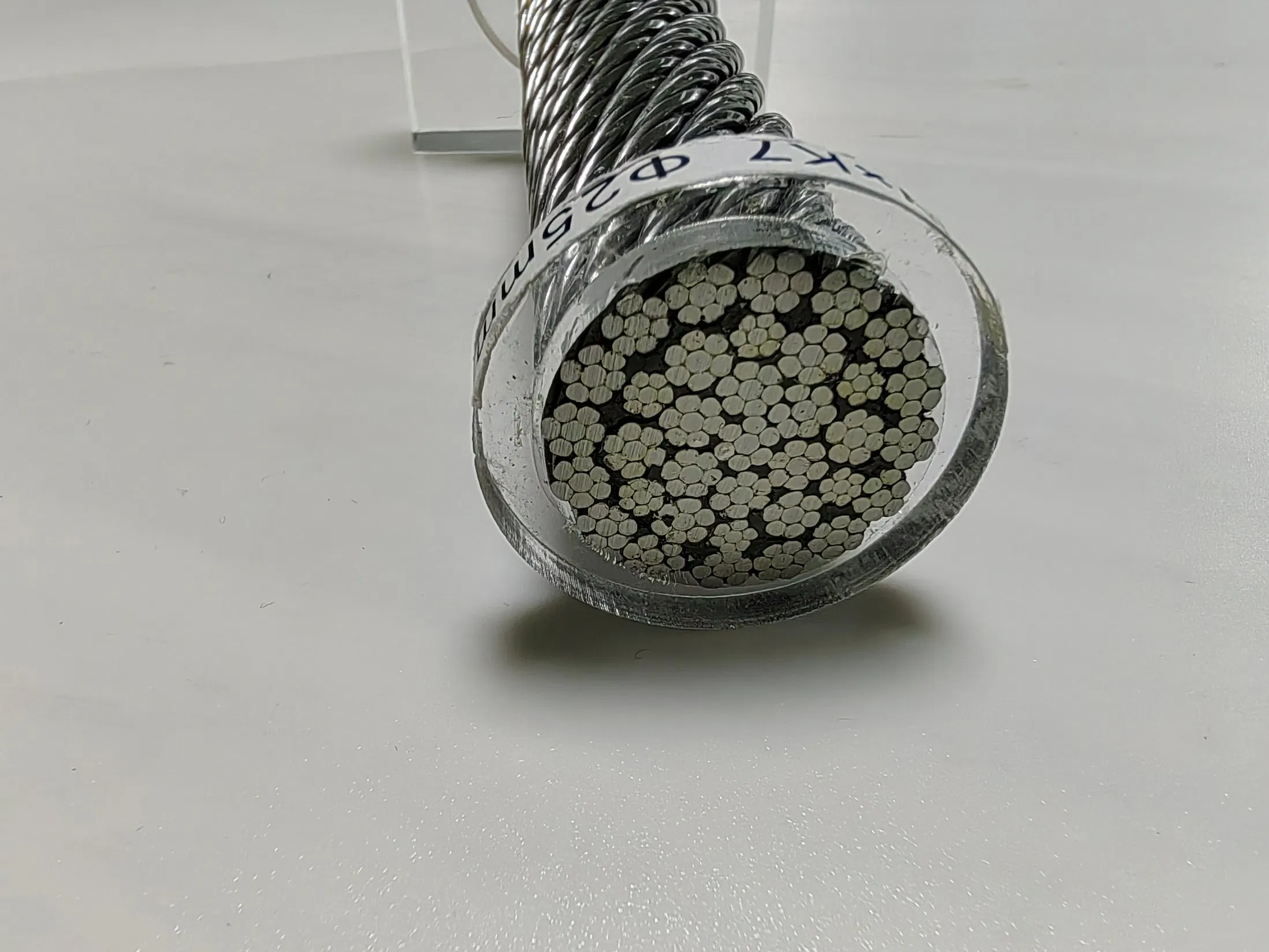
| EN 12385 (Parts 1–10), esp. Part 4 | European Union / EEA; referenced worldwide for lifting | Safety standard for stranded ropes: materials, manufacture, testing, minimum breaking force tables, marking, certificate of conformity; supports CE marking under the Machinery Directive | Crane hoist ropes, excavator and rig ropes, rotation-resistant multistrands (e.g. 35WXK7), 6×36WS class |
| API 9A (“Specification for Steel Wire Ropes”) | Oil & gas industry, global | Oilfield rope classes, wire tensile levels, testing per API 9A; usually applied together with API RP 9B for care and use | Drilling lines, sand lines, mast raising and derrick lines, winch lines |
| GOST 3241-91 and construction standards (e.g. GOST 2688-69, 7668-80) | Russia and CIS markets | General technical conditions for steel wire ropes plus per-construction dimension tables; marking groups in N/mm² | Crane, mine hoisting and general-purpose 6-strand ropes for CIS projects |
| ISO 2408 | International; basis for class-society approval | Steel wire ropes for general purposes — constructions, grades, minimum breaking force, testing | Ropes certified with DNV, ABS, BV, RMRS for marine and offshore use |
| ASTM A1023 | North America | Stranded carbon steel ropes for general purposes; rope grade concept similar to EN | General-purpose and crane ropes for the US market |
Beyond these product standards, remember that application standards sit on top: ASME B30 series and OSHA rules govern how crane ropes are used and discarded in North America, EN 13001 and the Machinery Directive in Europe, and ISO 4309 defines discard criteria almost everywhere. A rope can be perfect per EN 12385-4 and still be discarded correctly only if your inspection people follow the applicable usage standard.
EN 12385: The European System
EN 12385 is a ten-part series, and knowing which part you need is half the battle: Part 1 general requirements, Part 2 definitions, classification and naming, Part 3 information for use and maintenance, Part 4 stranded ropes for general lifting, Part 5 lift ropes, Part 7 locked-coil ropes, Part 8 mine hoisting, and so on. For most crane and construction buyers, EN 12385-4 is the operative part. It specifies wire quality per EN 10264-2, permitted core types (fibre, steel IWRC/WSC, composite or solid polymer), lubrication per ISO 4346, diameter tolerances, and — most practically — minimum breaking force tables for common constructions and diameters.
Two things about EN 12385-4 matter to your purchasing decision. First, the standard certifies the rope, per production lot: the certificate should state the actual measured breaking force of the tested sample from your reel, not merely a nominal table value. Second, EN 12385-4 is the entry ticket for CE marking of ropes under the Machinery Directive — a notified-body certificate to Part 4 is what European crane importers will ask you for.
Rope Grade vs Wire Tensile Grade: The Classic Misunderstanding
The single most common confusion I deal with is the difference between rope grade (Rr) and wire tensile grade (R). A rope grade such as 1770, 1960 or 2160 is a breaking-force level: it tells you which column of the EN 12385-4 breaking force table applies. It does not mean every wire in the rope has that tensile strength. Because the outer wires of a well-designed rope are stressed differently from the core wires, the actual wire tensiles in a “1960 grade” rope may legitimately range well above and below 1960 N/mm² — I have seen certificates where a 1960-grade compacted rope contained wires tested at over 2400 N/mm² in the outer layer.
The rule to remember: compare ropes by minimum breaking force for the same diameter, not by the grade number alone. Two 20 mm ropes can both claim “1960 grade” and still differ by 10–15% in breaking force if one is compacted and the other is not — the grade number describes the table column, and the construction describes how much steel you actually bought. My earlier article on breaking strength, MBL and safety factors walks through this arithmetic in full.
API 9A: The Oilfield Standard
API 9A comes from the American Petroleum Institute and dominates oilfield procurement for good reason: drilling programs, rig inspections and third-party audits are all written around API documents. Structurally, API 9A does the same job as EN 12385-4 — materials, constructions, breaking force minimums, testing — but it expresses strength in steel classes with letter names rather than EN-style rope grades. The familiar ladder runs IPS (Improved Plow Steel), EIPS (Extra Improved Plow Steel) and EEIPS (Extra Extra Improved Plow Steel), each corresponding to a range of wire tensile strengths — roughly 1570–1960, 1770–2160 and 1960–2160 N/mm² respectively.
One nuance worth knowing: in API 9A the class names describe wire tensile strength levels, tested to API 9A Annex B or to ISO 2232 for the numeric grades. So an EIPS rope and a “1960” EN rope are related but not identical statements — one anchors to wire tensile ranges, the other to a rope-level breaking force table. In practice, a quality 6×36WS-IWRC drilling line at EIPS will comfortably meet or exceed the EN 1960 column for the same diameter, which is why suppliers can legitimately offer the same rope into both markets with the appropriate certificate for each.
If your scope covers oil and gas, also expect your rope supplier to hold API Spec Q1 quality-system certification — many operators require it — and apply API RP 9B for cutting and inspection routines on service lines.
GOST: The CIS System
For Russia and the CIS, procurement historically follows the GOST standards: GOST 3241-91 sets the general technical conditions — testing, acceptance, marking groups — while individual construction standards define each rope family. The ones you will meet most often are GOST 2688-69 (6×19+FC), GOST 7668-80 (6×36+FC) and related six-strand constructions. Instead of EN grades or API classes, GOST ropes carry a marking group expressed directly in N/mm² — 1570, 1770, 1860, 1960 — and the certificate states the minimum breaking force for the marking group and diameter.
A point I make to every buyer heading into the CIS market: a GOST certificate and an EN certificate describe the same steel differently, and modern manufacturers routinely certify to both. If a project specification says “GOST 7668-80, marking group 1860”, ask whether the mill can also supply EN 12385-4 conformity for the same rope — most established producers can, and you then get the CIS paperwork plus breaking-force data in the format your European risk assessment expects.
ISO 2408 and Class Society Certification
Where does ISO fit? ISO 2408 — steel wire ropes for general purposes — is the international harmonized product standard, and it is the one the classification societies build on. When a marine or offshore project demands BV, ABS, DNV or RMRS certification, the surveyor typically witnesses breaking tests on production samples and stamps certificates for rope manufactured to ISO 2408. The class certificate does not change the rope; it adds an independent, accountable third party to the chain — in my experience the fastest way to settle a dispute about whether a rope met its rated minimum breaking force is a witnessed test certificate from a class society.
Which Standard for Which Application
| Your project | Standard to specify | Notes from my quoting desk |
|---|---|---|
| Crane / construction rope into the EU | EN 12385-4 + CE | Certificate must state actual lot breaking force; crane OEM often names the construction family |
| Drilling line, sand line, rig winch | API 9A (+ API Spec Q1 supplier) | Specify class (IPS/EIPS/EEIPS) and construction; care per API RP 9B |
| Mine hoisting, CIS industrial project | GOST 3241-91 + construction standard | State marking group; ask for dual EN/GOST certification where possible |
| Marine, offshore, classed lifting appliances | ISO 2408 + DNV / ABS / BV / RMRS | Witnessed test at the factory; state whether third-party inspection is required at order stage |
| US general-purpose / crane supply | ASTM A1023 (or EN 12385-4 by spec) | Grade conventions differ; compare by minimum breaking force, not labels |
Whichever system your project uses, the underlying selection logic — construction, core, finish, grade — is shared. My guide to 6×36 wire rope specifications and the core types article on this site cover that side of the decision.
What the Certificate Must Show — the Checklist I Actually Use
Standards earn their keep at the certificate. Whatever the system, I read a rope certificate the same way every time, and I suggest you do too:
| Line on the certificate | Why it matters |
|---|---|
| Standard and part (e.g. EN 12385-4, API 9A, GOST 3241-91, ISO 2408) | Fixes the testing regime and tolerance system the rope was made under |
| Reel / lot number | Ties the certificate to your physical reel — a generic certificate without a lot number proves nothing |
| Construction, diameter, lay, core, finish, lubrication | The full identity of the rope; every element must match your order |
| Rope grade / class / marking group | The breaking-force level: EN grade, API class or GOST marking group as applicable |
| Actual (measured) minimum breaking force of the tested sample | The number that matters — the destructive test result for this lot, not just the nominal table value |
| Third-party witness (BV, ABS, DNV, RMRS, CE notified body) where required | Independent confirmation that the test was real and the rope was traceable |
If a supplier hesitates at the “actual breaking force of the lot” line, that tells you everything. A serious manufacturer runs destructive tests regularly on its own tensile machine and posts results per reel; asking for them should trigger a quick yes, not a procurement negotiation.
Ordering Across Markets: Three Practical Rules
First, name the standard in your purchase order, together with construction, diameter, grade or class, core, lay and finish. “6×36 IWRC 20 mm” is half a specification; “6×36WS+IWRC, 20 mm, 1960 grade, RHOL sZ, bright, EN 12385-4” is a rope.
Second, do not cross-grade by label. If your old certificate says EIPS and the new quotation says 1960, ask for both breaking force columns and compare numbers for your diameter — construction details such as compaction can shift real strength more than the grade label does.
Third, plan certifications at order stage. Class-society witnessing, CE conformity and GOST certificates all take scheduling; a rope made first and certified later is a common cause of delivery disputes. This is where the supplier relationship matters as much as the product. Aulone is a professional manufacturer and supplier of steel wire ropes, wire rope slings, synthetic ropes and rigging hardware for lifting, marine, mining, construction and industrial applications. With more than 20 years in the industry and an annual capacity of 200,000 tons, we manufacture to EN 12385-4 under an ISO 9001 quality system, hold third-party certifications including BV, ABS, DNV, RMRS and CE, keep common constructions in stock for fast shipment, and can arrange witnessed third-party testing or dual EN/GOST documentation for cross-market projects. Send me your specification and destination market — info@wireropes.net — and I will confirm the right standard package for your order.
Frequently Asked Questions
What is the difference between EN 12385-4 and ISO 2408?
They overlap heavily but are not identical. EN 12385-4 is the European safety standard for stranded ropes for general lifting — the basis for CE marking under the Machinery Directive — with its own breaking-force tables and certificate requirements. ISO 2408 is the international product standard for general-purpose ropes and is the foundation class societies certify against. A rope built to EN 12385-4 will normally meet the equivalent ISO 2408 requirements, and reputable mills certify to whichever document your market demands.
Can one rope be certified to more than one standard?
Yes, and it happens routinely on export projects. The constructions and materials are compatible; what changes between standards is the test plan, tolerance details and documentation format. Ask the manufacturer up front, because each certificate is produced per production lot and third-party witnessing needs scheduling before manufacture.
What does “1960 grade” actually mean on a certificate?
In the EN system it designates a breaking-force level — the table column the rope’s minimum breaking force comes from. It does not mean each wire is exactly 1960 N/mm²: actual wire tensiles vary by layer. Compare ropes by the minimum breaking force for the same diameter and construction, not by the grade number alone.
Which standard do I need for oilfield wire rope?
API 9A, usually together with API RP 9B for care, use and inspection of the line in service. Most operators additionally expect the supplier to hold API Spec Q1 certification. State the class — IPS, EIPS or EEIPS — and the construction on the purchase order.
Is a GOST-certified rope lower quality?
No. GOST ropes follow the same metallurgy and rope-making practice; the marking group is simply expressed in N/mm² and the construction standards are organized differently. Quality depends on the manufacturer’s process and testing discipline, not on which standard’s paperwork travels with the reel.
What is the most important single line on a wire rope certificate?
The actual minimum breaking force measured on the tested sample from your production lot. Nominal table values are only commitments; the measured result is proof. Make sure it is accompanied by the reel or lot number that matches the reel on your floor.