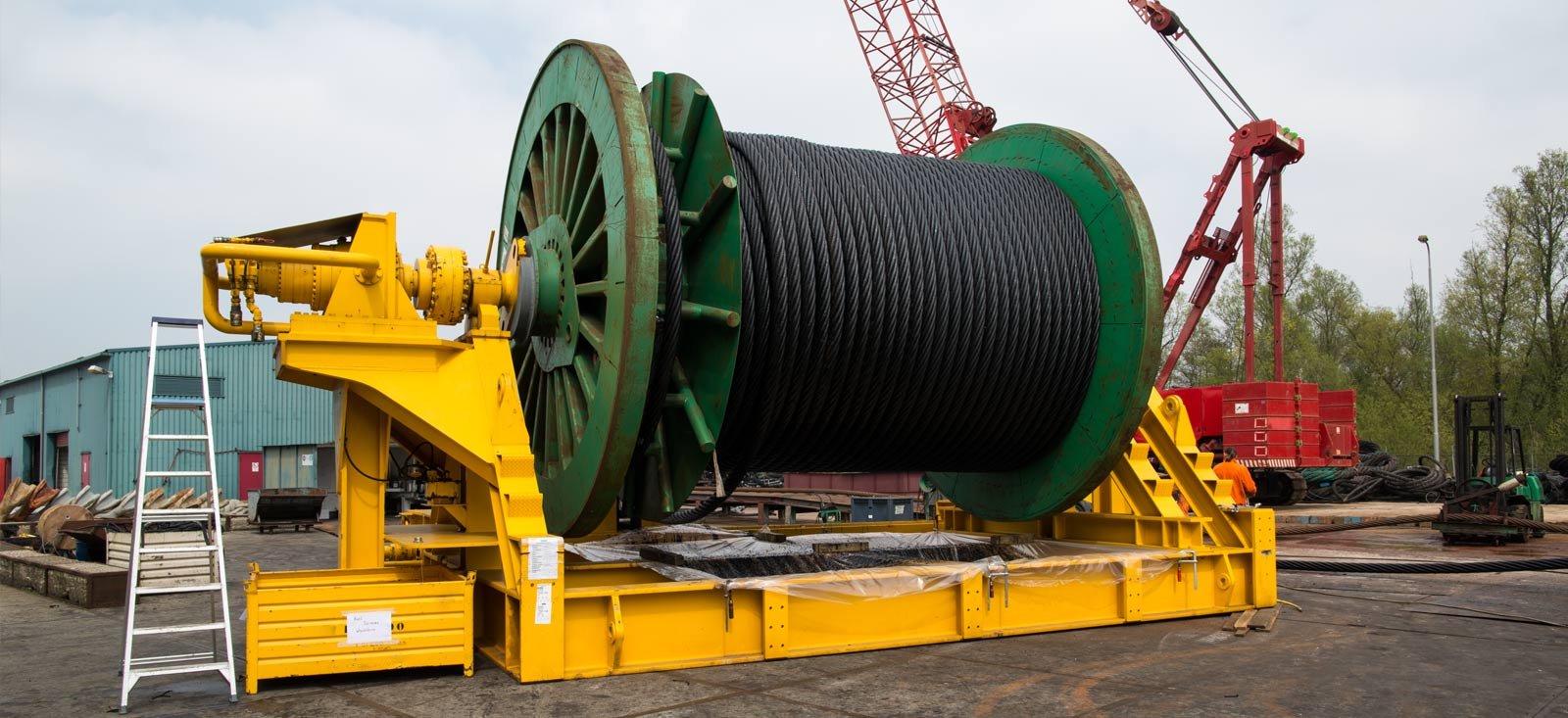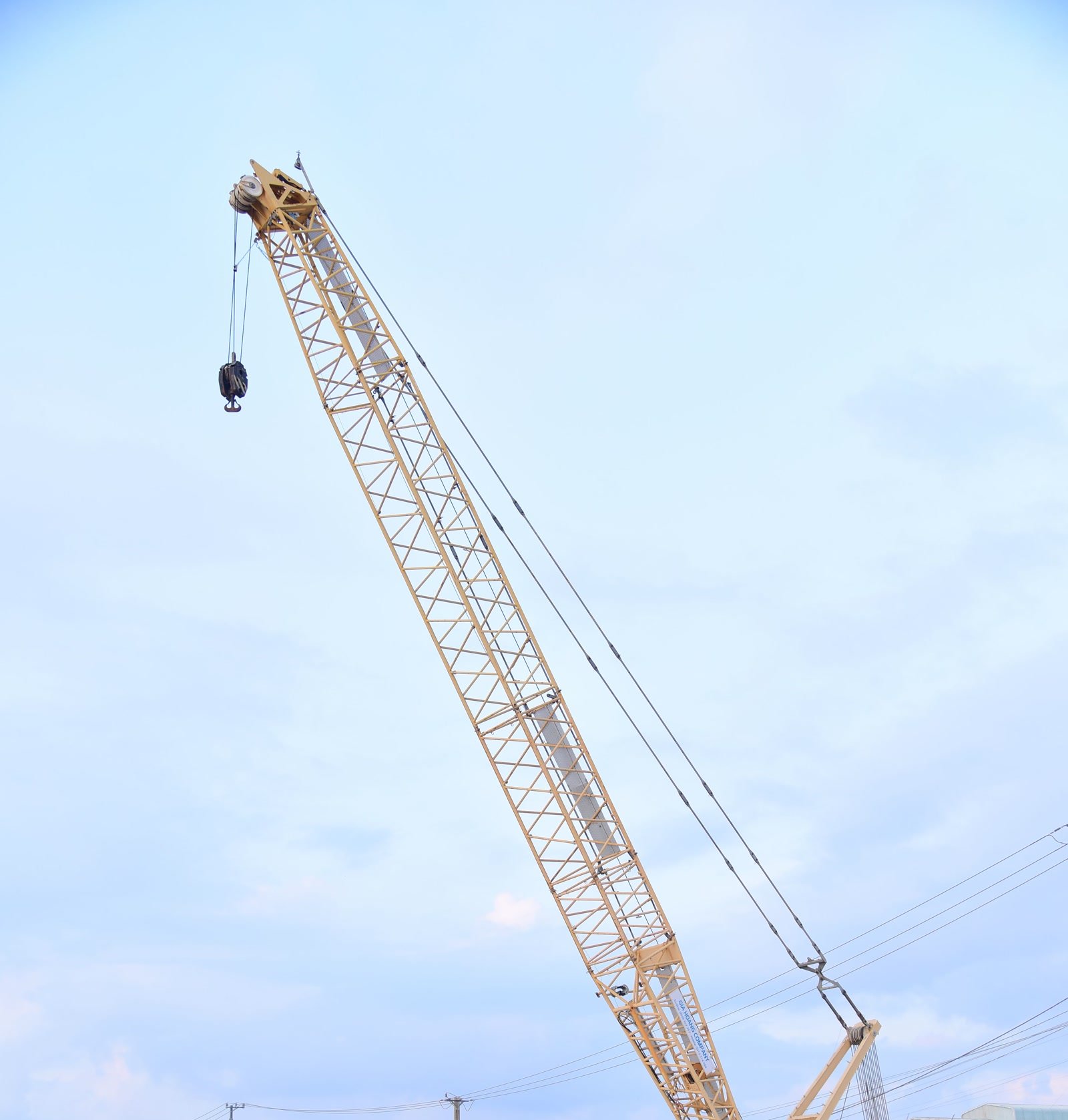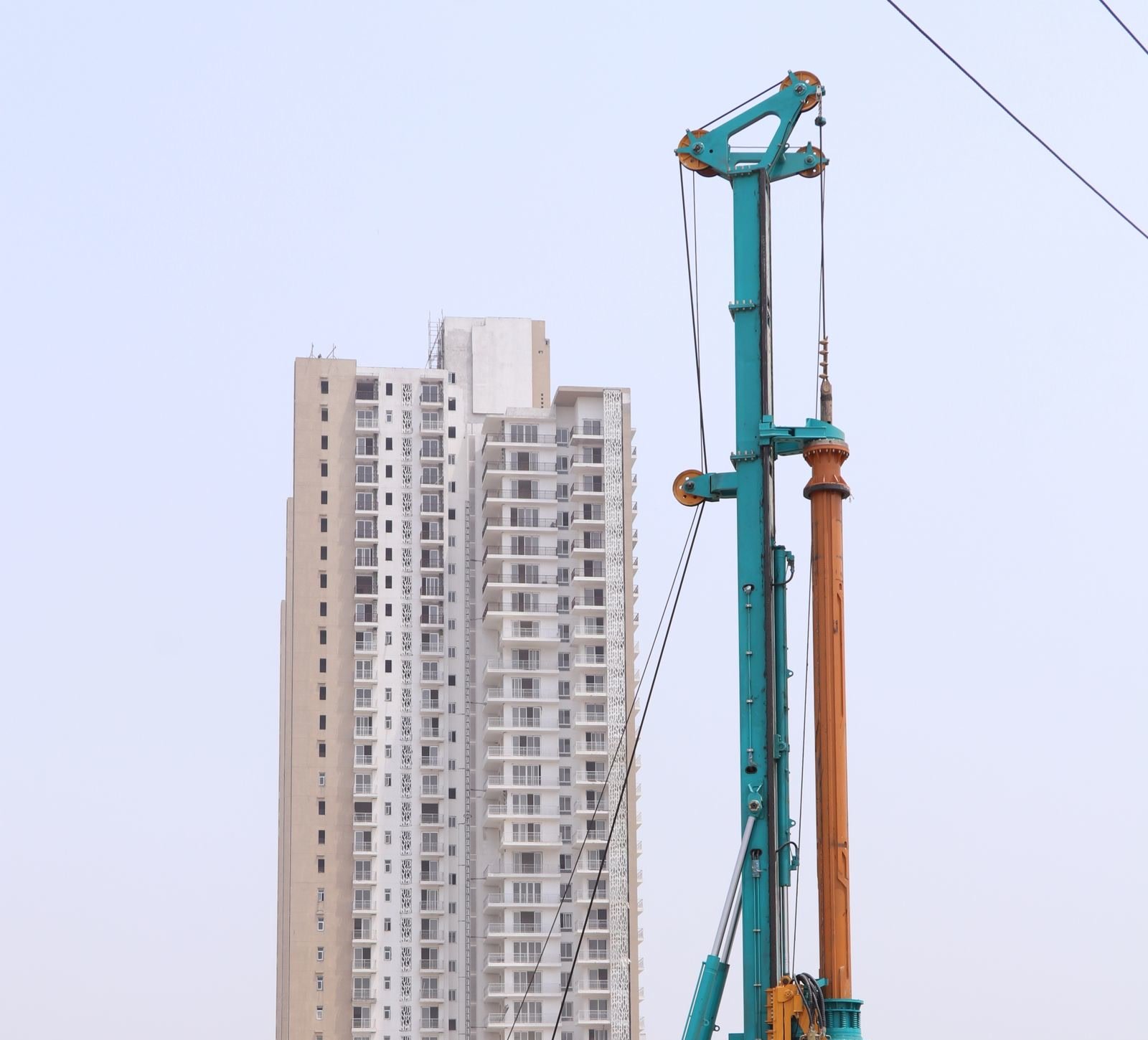
Piling work puts wire rope under repeated bending, shock, dirt, and heavy drum pressure. A rope that looks suitable on paper can fail early when the construction does not match the machine.
I choose piling rig wire rope by matching the rope construction, rotation resistance, core, compaction, lubrication, diameter, and end termination to the rig, drum, sheaves, load, and duty cycle. I always confirm the OEM specification and the required certificate before production.
I have learned that the safest starting point is not a catalogue number. I start with the machine and the work. Then I compare the rope choices one decision at a time.
What Does a Piling Rig Wire Rope Need to Handle?
A piling rig creates a mix of loads that many general-purpose ropes do not face every day.
A suitable piling rig rope must resist bending fatigue, crushing, abrasion, shock, rotation, contamination, and uneven spooling. The rope also needs stable diameter and the correct breaking force for the equipment design.
I Look at the Whole Operating System
I never judge the rope alone. I look at the drum, sheaves, reeving, hook block, socket, and operating method. Each part changes how stress enters the rope. A new rope can wear quickly when a sheave groove is damaged. A strong rope can also lose shape when the drum creates high side pressure.
I ask whether the rope works on a single-layer or multi-layer drum. I ask how many bends it makes during one cycle. I also ask whether the load is free to rotate. These answers tell me whether flexibility, rotation resistance, or crushing resistance should receive the highest priority.
What Usually Damages the Rope?
| Operating condition | Main rope risk | What I check |
|---|---|---|
| Multi-layer spooling | Crushing and cross-over wear | Compaction, core support, drum condition |
| Deep lifting | Load rotation and rope torque | Rotation-resistant construction and swivel rules |
| Frequent bending | Wire fatigue | Sheave diameter, strand design, lubrication |
| Soil and slurry | Abrasion and contamination | Surface protection and cleaning practice |
| Shock loading | Local wire and strand damage | Operating method and rope reserve |
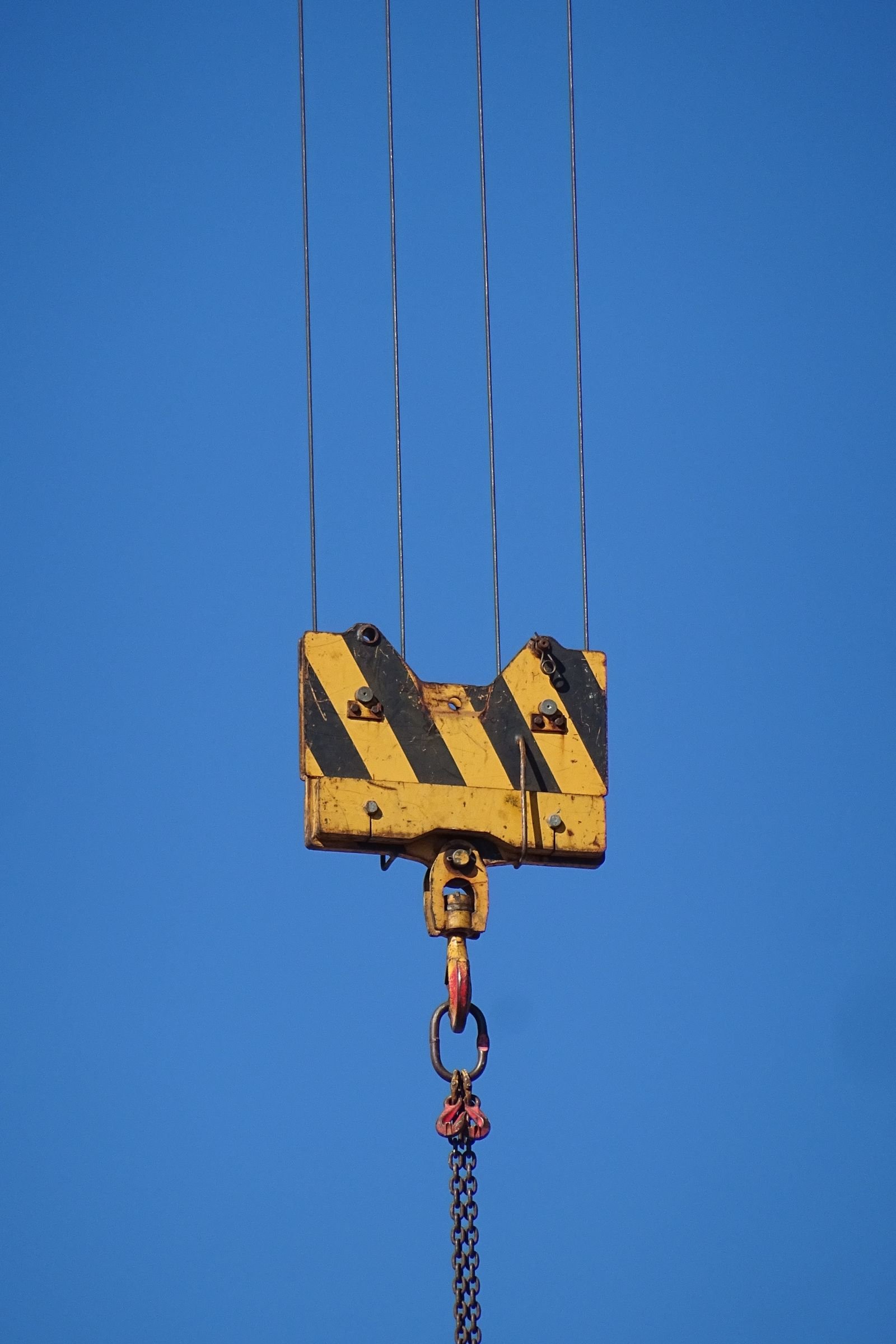
Which Rope Construction Should I Consider First?
The correct construction depends on the rope position. One piling rig can use different ropes for main hoist, auxiliary hoist, crowd, and winch duties.
I usually compare compacted multi-strand rotation-resistant ropes for main hoist duty and compacted six- or eight-strand ropes for duties where abrasion, drum pressure, and bending life matter more than rotation control.
Rotation-Resistant Rope for Main Hoist Duty
I consider a rotation-resistant rope when the load can spin or when the lifting height allows torque to build. Constructions in the 19-strand and 35-strand families are common starting points. A higher strand count can improve rotation control and flexibility, but it also demands correct handling and inspection.
I do not use the phrase “non-rotating” as an absolute promise. Every steel wire rope can create some torque. I check the manufacturer’s rotation data and the equipment maker’s instructions. I also confirm whether a swivel is permitted. A swivel can be helpful in one system and unsafe in another.
Compacted Rope for Drum Pressure and Wear
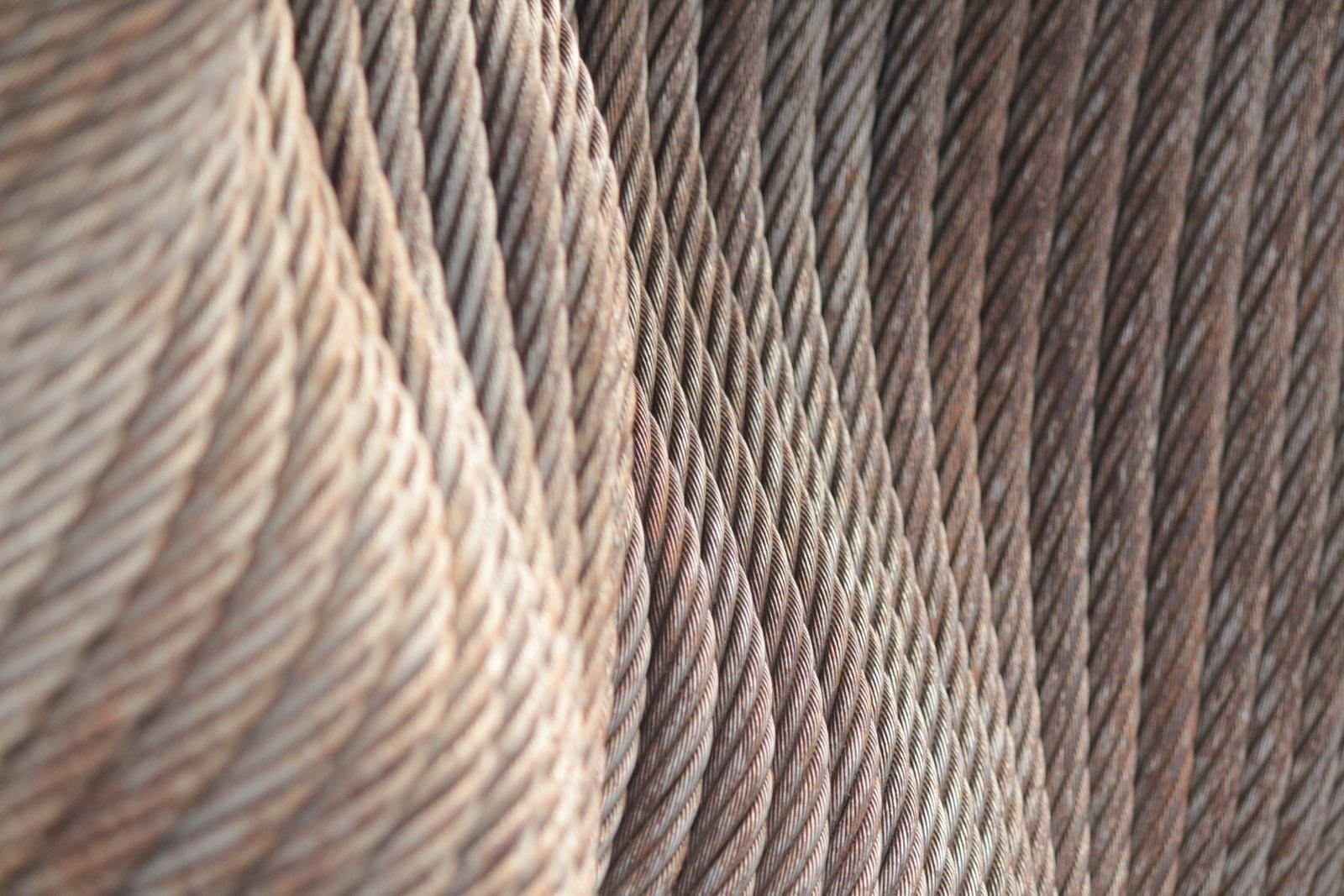
A compacted rope has shaped strands or wires that create a smoother outer surface and more steel area. I use this design when I need high breaking force, stable spooling, and good resistance to surface wear. The smoother contact can also reduce pressure between the rope and the sheave groove.
Compaction does not fix a damaged drum. It also does not remove the need for correct fleet angle and tension. I treat compacted construction as one part of the system, not as a cure for poor equipment condition.
How Do Common Options Compare?
| Rope family | Typical strength | Main limit | Where I consider it |
|---|---|---|---|
| 19-strand rotation-resistant | Good torque control and flexibility | Needs careful handling | Moderate lifting height and main hoist work |
| 35-strand rotation-resistant | High rotation control and bending performance | Higher cost and stricter installation | Deep lifting and demanding main hoist duty |
| Compacted 8-strand | Good flexibility and drum performance | Not the first choice for freely rotating loads | Heavy winch and repeated bending duty |
| Compacted 6-strand | Strong abrasion and crushing resistance | Lower rotation control | Drum duties with strong surface wear |
How Do I Choose the Core and Plastic Impregnation?
The core supports the outer strands. It affects strength, diameter stability, crushing resistance, and internal movement.
I normally choose an independent wire rope core for piling rigs because it gives stronger strand support and higher breaking force. I consider plastic impregnation when internal wear, contamination, and multi-layer drum pressure are major concerns.
Why Does IWRC Matter?
An independent wire rope core is a small steel rope inside the main rope. It supports the outer strands when the rope bends and when drum layers press against each other. This support helps the rope keep its shape under heavy duty.
A fiber core can offer flexibility and lubricant storage. However, I do not select it automatically for demanding piling work. I first check the load, drum pressure, temperature, and OEM design. The original specification remains the controlling reference.
What Does Plastic Impregnation Do?
Plastic impregnation fills selected spaces inside the rope. It can reduce internal metal contact, help retain lubricant, and limit the movement of dirt and moisture toward the core. It can also stabilize the relationship between the core and outer strands.
I do not confuse this design with an external plastic coating. An external coating covers the outside. Plastic impregnation works inside the rope. The two products solve different problems.
How Do Diameter, Grade, and Breaking Force Work Together?
Buyers often start with diameter only. I treat diameter as one part of a complete specification.
I confirm nominal diameter, measured rope diameter, steel grade, minimum breaking force, mass, core, and construction together. I never use minimum breaking force as a working load or select a rope from diameter alone.
I Start With the OEM Rope Data
I ask for the machine model, rope position, original rope certificate, and equipment manual. I compare the required minimum breaking force with the proposed rope certificate. I also check the permitted diameter tolerance because the rope must fit the sheave grooves and drum correctly.
A higher wire grade can increase breaking force at the same diameter. However, a higher grade is not always better. The equipment, bending conditions, terminations, and applicable standard must support the choice. I do not change grade without technical review.
I Keep Working Load Separate From Breaking Force
The minimum breaking force is a test and design value. It is not the normal load that the operator may lift. The equipment manufacturer and the applicable crane or machinery standard define the design factors and allowable line pull. I ask the buyer for the required MBL or the approved rope specification instead of inventing a working limit.
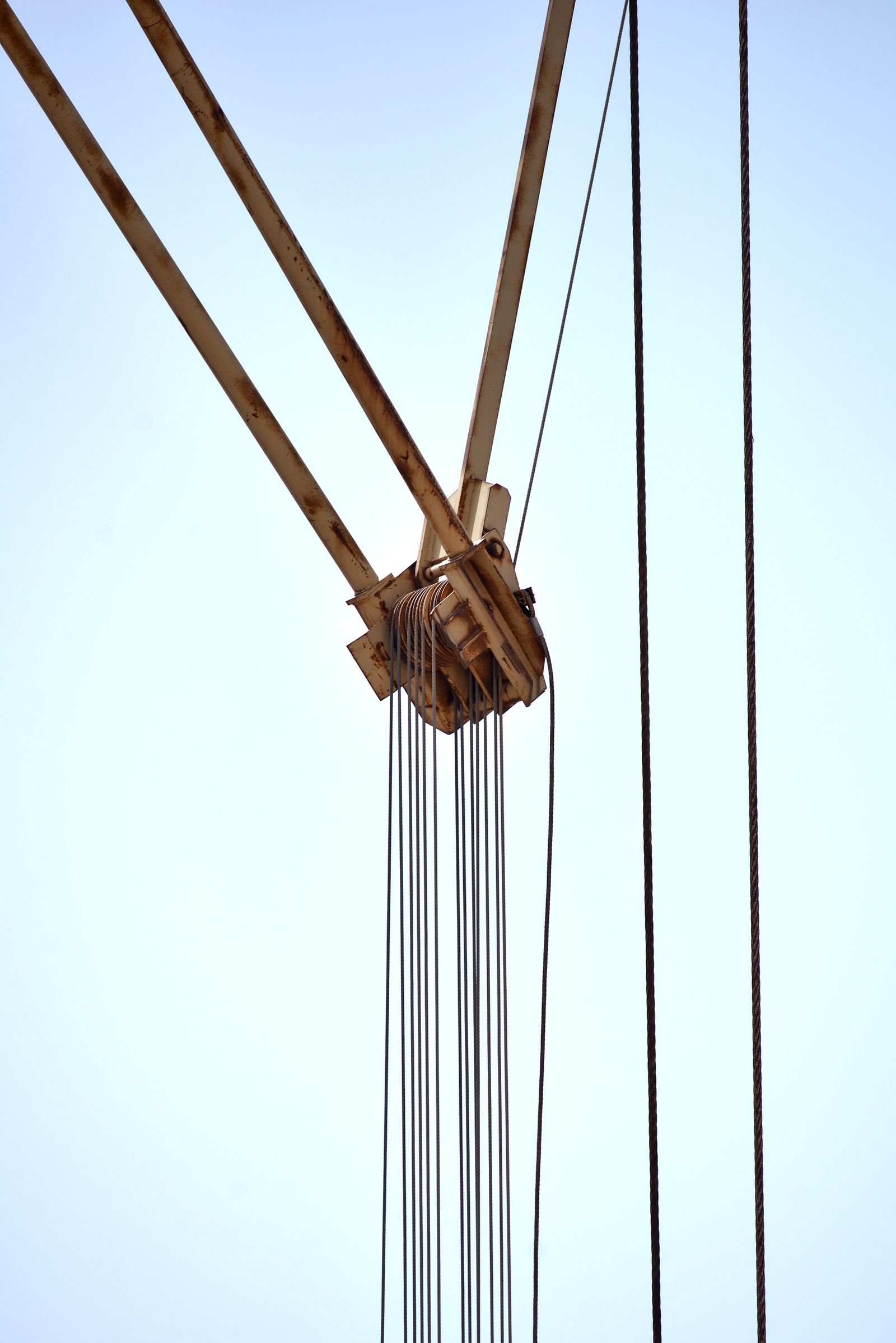
Why Do Sheaves, Drums, and Fleet Angle Matter?
A premium rope cannot perform well on damaged equipment. I inspect the contact surfaces before I recommend a replacement.
I check sheave groove shape, sheave diameter, drum grooves, fleet angle, alignment, and cross-over zones. These parts control bending stress, spooling pressure, abrasion, and local rope damage.
Sheave Grooves Must Match the Rope
A groove that is too tight can pinch the rope. A groove that is too wide can flatten it and reduce support. I ask the maintenance team to measure the groove with the correct gauge. I also look for corrugation, sharp edges, bearing play, and poor alignment.
Drum Spooling Must Stay Controlled
The first layer forms the base for every layer above it. I install it under controlled tension and keep each wrap close to the next wrap. Loose or crossed wraps create local crushing and rapid wear.
I pay special attention to cross-over points. The rope can receive high contact pressure when it moves from one wrap to the next. A compacted rope and a well-designed drum can reduce the effect, but inspection must still focus on these zones.
How Should I Specify the Lay Direction and End Termination?
Lay direction and termination details can decide whether the rope spools correctly and keeps its rated efficiency.
I match rope lay to the drum and reeving design, then select the socket, wedge socket, thimble eye, or other termination from the OEM drawing and the rope manufacturer’s approved procedure.
Lay Direction Must Match the Machine
I do not guess right-hand or left-hand lay from a photo. I check the original rope marking, certificate, drum direction, and equipment manual. Some systems use paired left- and right-hand ropes. Substituting one direction can change spooling behavior and torque.
Terminations Need Their Own Verification
A rope assembly is only as reliable as its end termination. I confirm socket size, wedge type, resin or swaging process, pin diameter, and proof requirements. I also check whether the termination is compatible with the exact rope construction.
| Termination | Why I use it | Critical check |
|---|---|---|
| Spelter or resin socket | High-efficiency permanent termination | Approved socketing procedure |
| Wedge socket | Field replacement and adjustment | Correct wedge, rope tail, and orientation |
| Swaged socket | Compact factory-made assembly | Correct die, pressure, and inspection |
| Thimble eye | Flexible connection to hardware | Eye size, splice method, and pin fit |
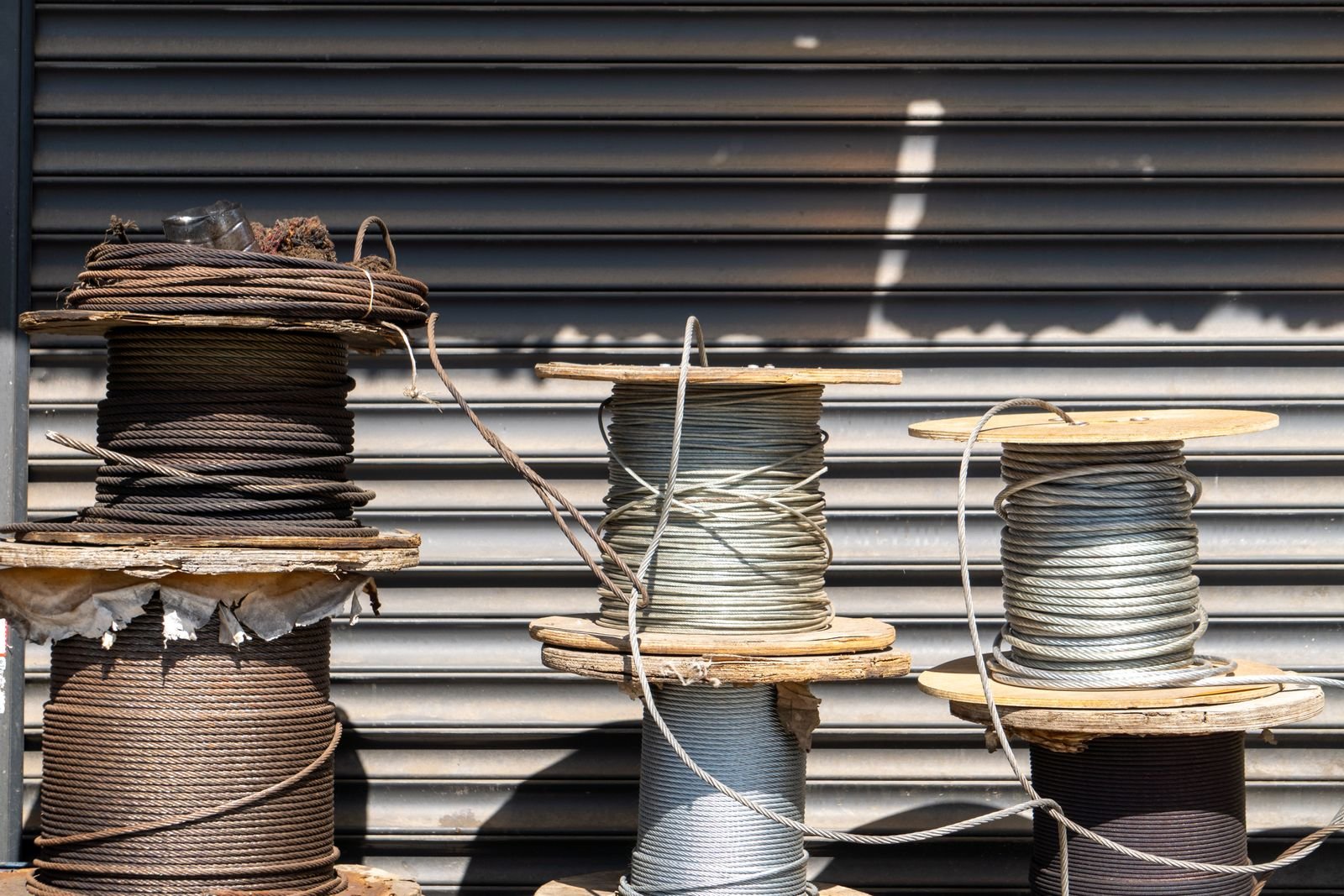
What Information Should I Send With My RFQ?
A complete request prevents delays and avoids a technically weak quotation.
I ask for the rig model, rope duty, diameter, construction, core, grade, minimum breaking force, lay, length, termination, quantity, standard, certificates, packaging, and operating conditions before I confirm production.
My Practical Buying Checklist
| Information | Example of what to provide |
|---|---|
| Machine | Manufacturer, model, year, serial reference |
| Rope position | Main hoist, auxiliary, crowd, winch |
| Specification | Diameter, construction, core, grade, lay |
| Performance | Required minimum breaking force |
| Length | Finished length and tolerance |
| Termination | Drawing, socket model, pin size |
| Duty | Depth, cycle rate, drum layers, environment |
| Documents | Required standard and inspection certificate |
I also ask for photos of the drum, sheaves, old rope tag, and damaged sections. These photos help me see whether the problem comes from rope selection, equipment condition, or operation.
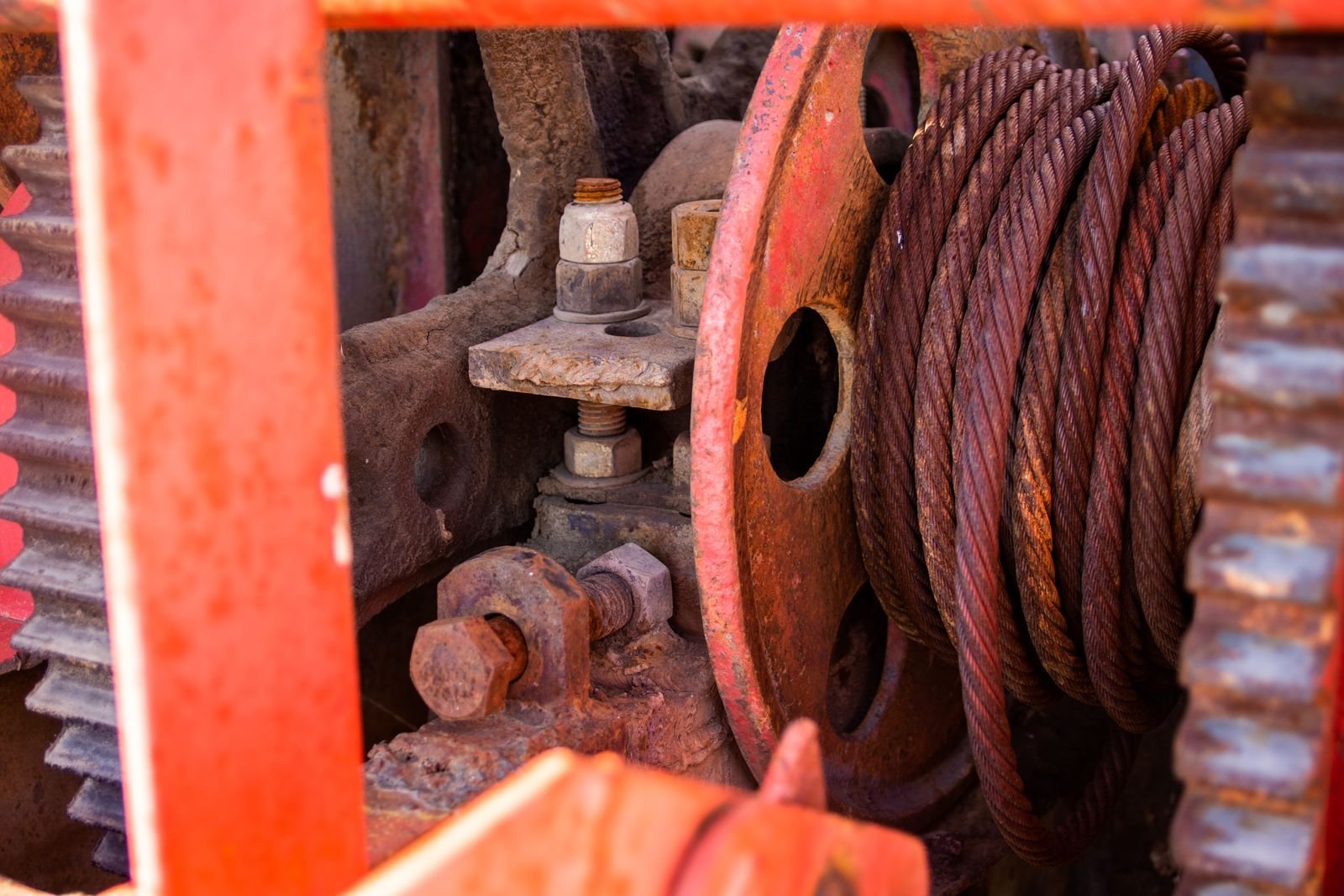
How Do I Inspect a Piling Rig Rope in Service?
Inspection must follow the equipment rules and the applicable rope standard. I use a written record so changes become visible over time.
I inspect for broken wires, diameter loss, corrosion, abrasion, crushing, waviness, birdcaging, core damage, heat, and damaged terminations. I increase inspection attention at sheaves, drum cross-overs, and end connections.
I Look for Patterns, Not One Isolated Mark
One damaged area can reveal the machine condition. Repeated breaks at one sheave can point to a groove or alignment problem. Flattening on the drum can point to low installation tension or excessive layer pressure. Internal rust can show poor lubrication or water entry.
I do not repair a kink, birdcage, or serious structural deformation and return the rope to service. I isolate the equipment and follow the competent person’s decision process. The current OEM instructions and inspection standard always take priority.
How Can Aulone Support a Piling Rig Rope Order?
A technical order needs more than a diameter and price. I treat the rope, termination, documentation, and export packing as one package.
I can review the application data and supply suitable crane and piling wire ropes with available compacted, galvanized, and plastic-impregnated options. Certificates and third-party inspection are confirmed for the specific product and order.
I ask the buyer to send the existing certificate or equipment data first. I then compare the proposed construction, breaking force, lay, length, and termination. This process reduces specification mistakes before production begins.
Conclusion
I choose piling rig wire rope by matching the complete machine system, duty, construction, core, breaking force, spooling conditions, termination, and verified documentation.