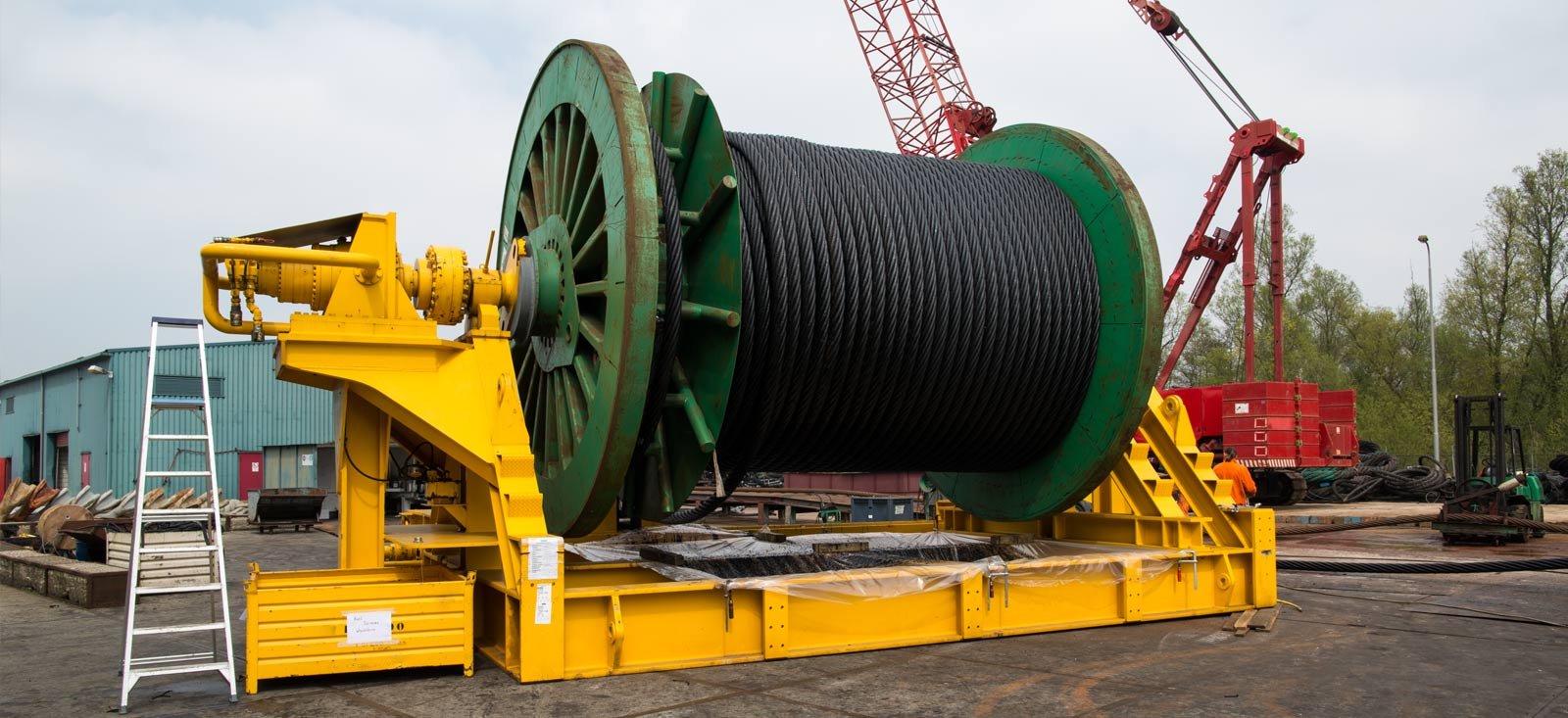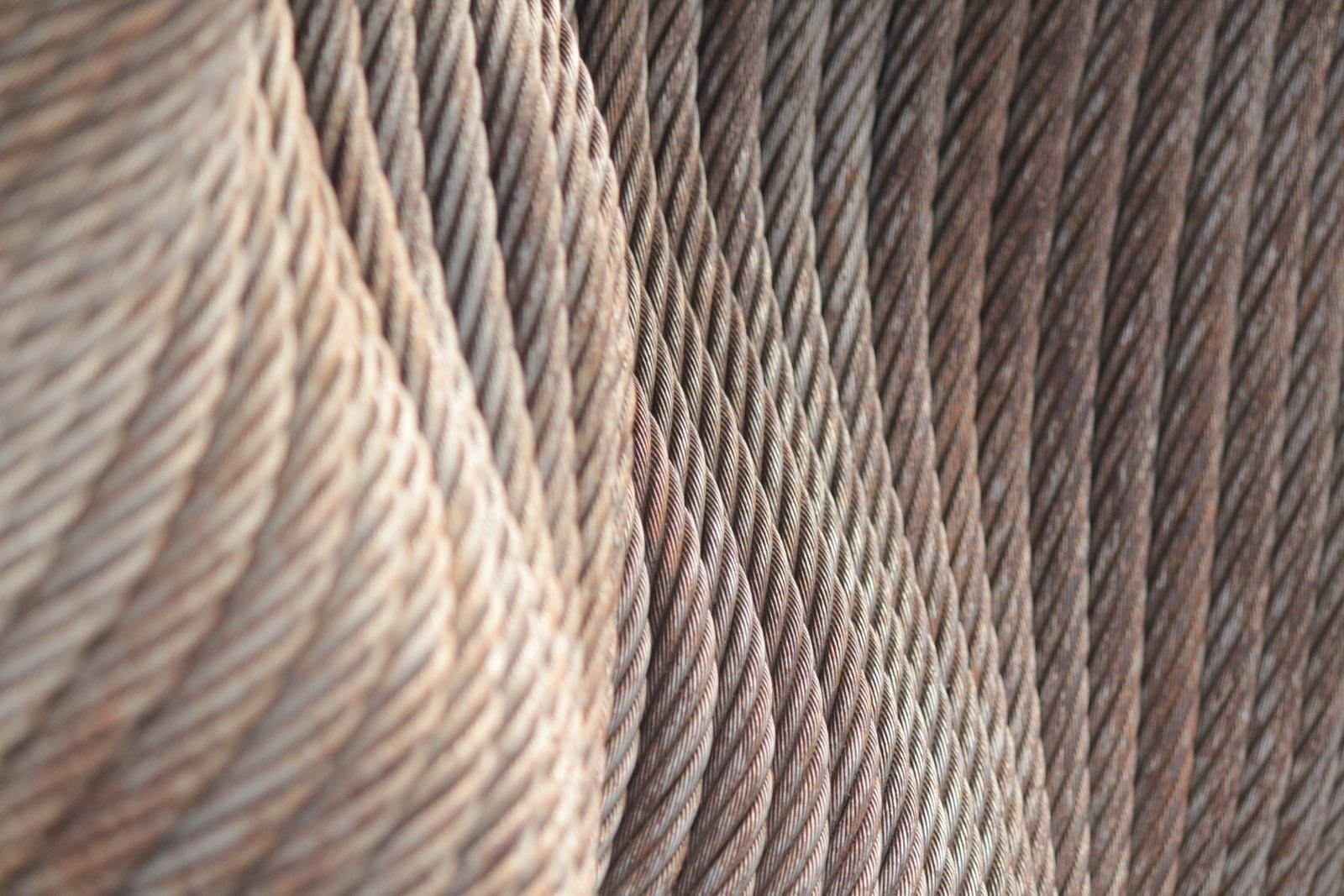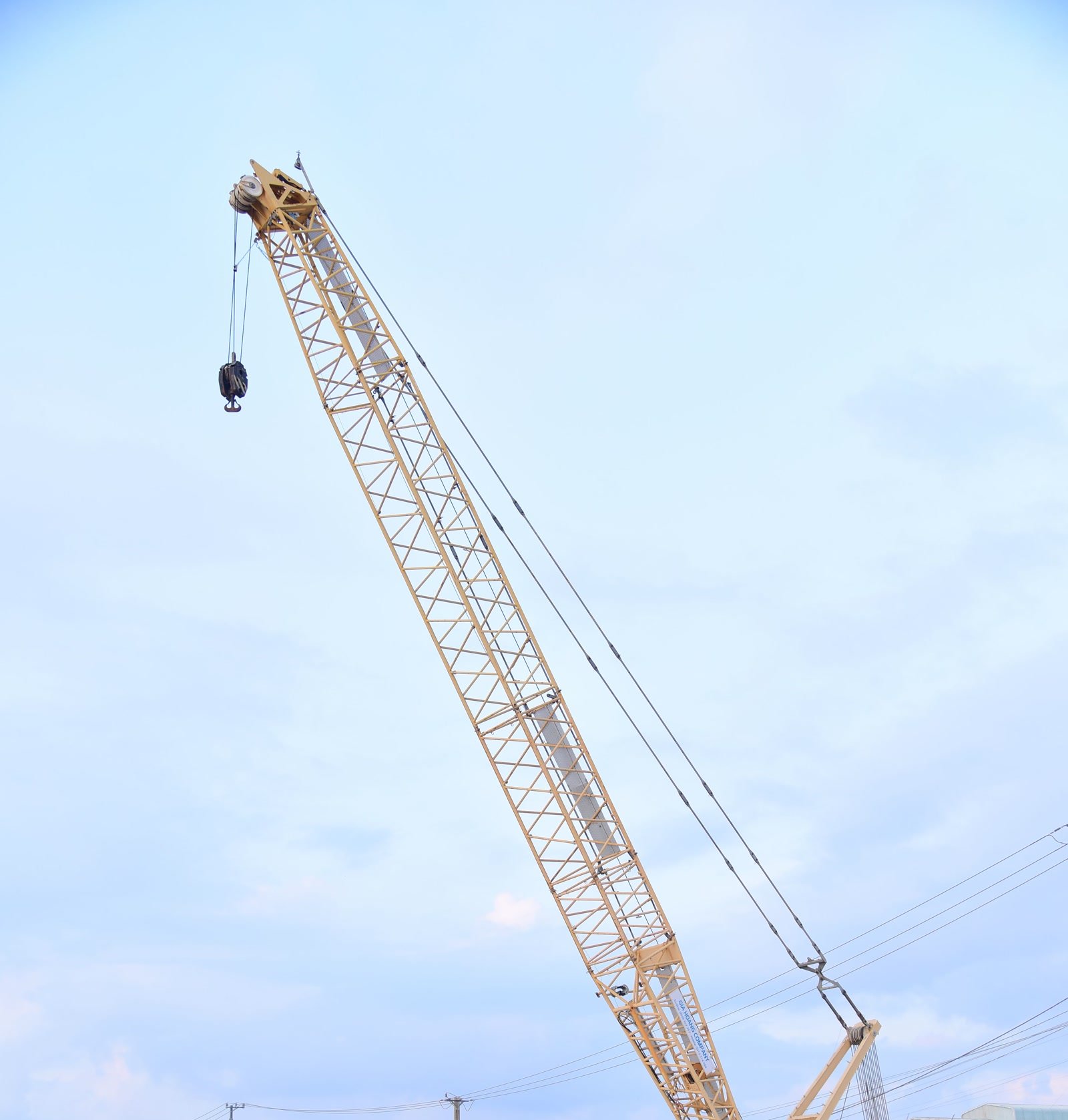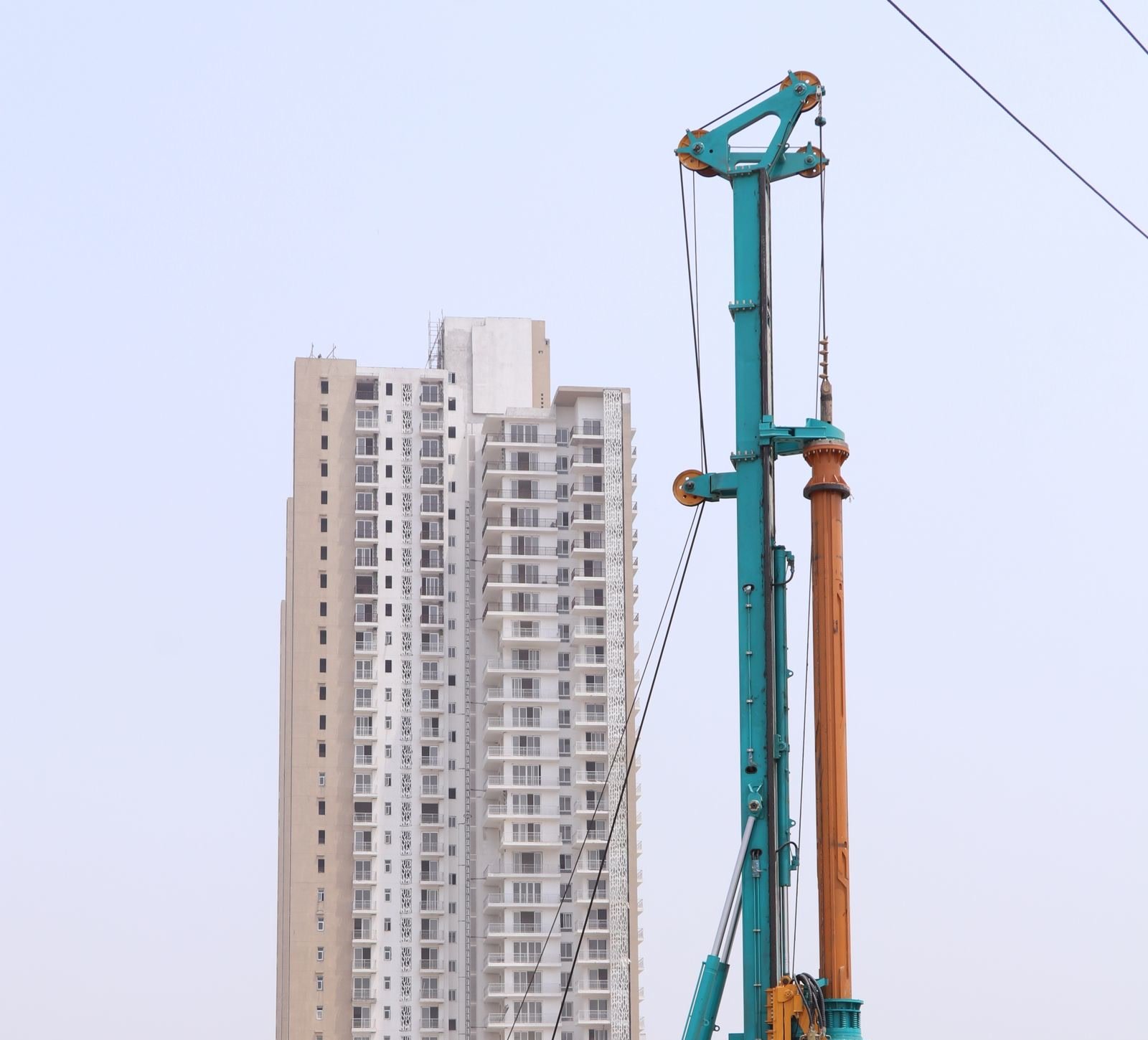
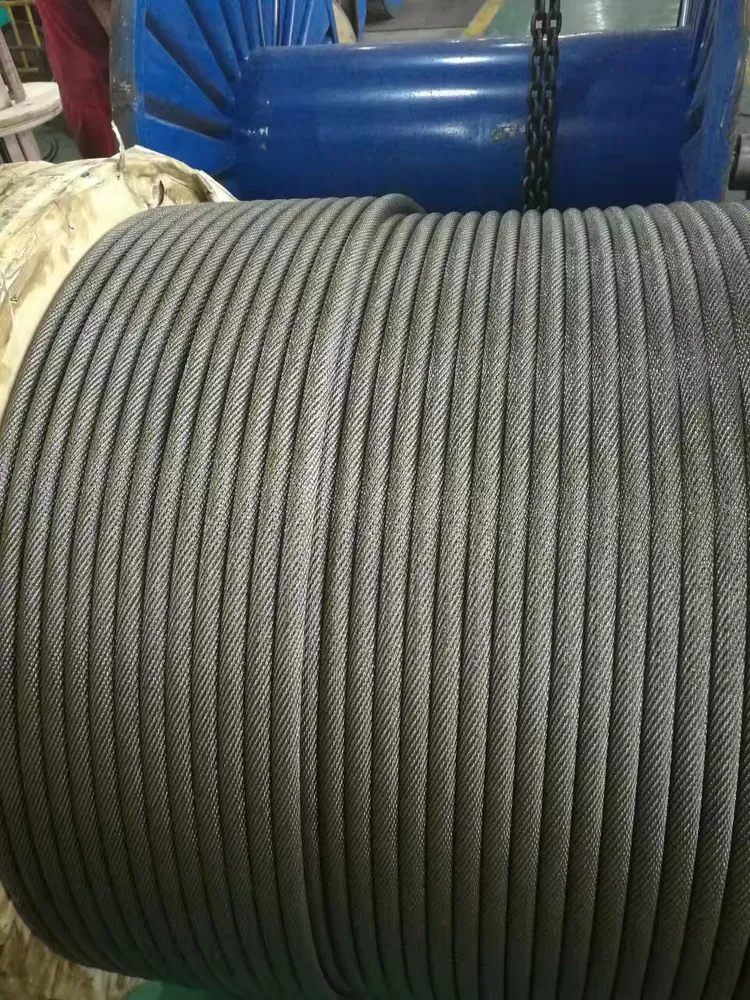
Wire rope is one of the most important parts in lifting systems. I see many project problems come from wrong rope selection. The most common confusion is between rotating and non-rotating wire rope.
Rotating wire rope allows controlled twist under load, while non-rotating wire rope is designed to resist torque and keep the load stable. The correct choice depends on lifting height, safety level, and crane system design.
I often meet buyers who think they are the same. In real lifting work, they behave very differently. This difference can affect safety, efficiency, and equipment life.
What is rotating wire rope and how does it behave under load?
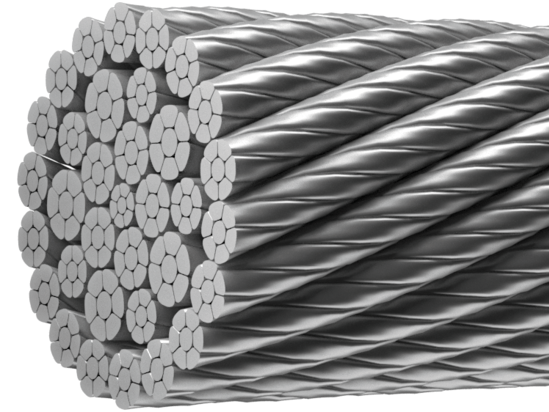
Rotating wire rope is designed to allow some degree of rotation when load is applied. It does not fully control torque inside the rope structure.
Rotating wire rope is a standard lifting rope that can rotate under tension. It is suitable for general lifting applications where load spin is acceptable.
I usually explain it in simple terms: it is a rope that “follows” the load rotation instead of stopping it.
Basic structure of rotating wire rope
| Feature | Description |
|---|---|
| Strand layout | Regular lay construction |
| Core type | Fiber core or steel core |
| Torque behavior | Low resistance |
| Flexibility | High |
| Cost | Lower |
The design is simpler. This is why production is easier and price is lower.
How it behaves in real lifting
When lifting starts, the rope slowly twists. The hook and load may rotate together. In short lifting distance, this is acceptable.
But I always notice that problems increase when lifting height becomes higher.
Common usage scenarios
- Small construction cranes
- Factory lifting systems
- General material handling
- Short-distance hoisting
field performance
Rotating rope works well in controlled environments. But in real projects, conditions change.
Table: behavior under different lifting heights
| Lifting height | Performance |
|---|---|
| 0–30m | Stable |
| 30–80m | Moderate rotation |
| 80m+ | High rotation risk |
Advantages and limitations
Table: pros and cons
| Aspect | Advantage | Limitation |
|---|---|---|
| Cost | Low | Not for high lifts |
| Maintenance | Easy | Needs monitoring |
| Operation | Simple | Load rotation |
Rotating rope is practical. But it has clear limits.
What is non-rotating wire rope and why is it safer?
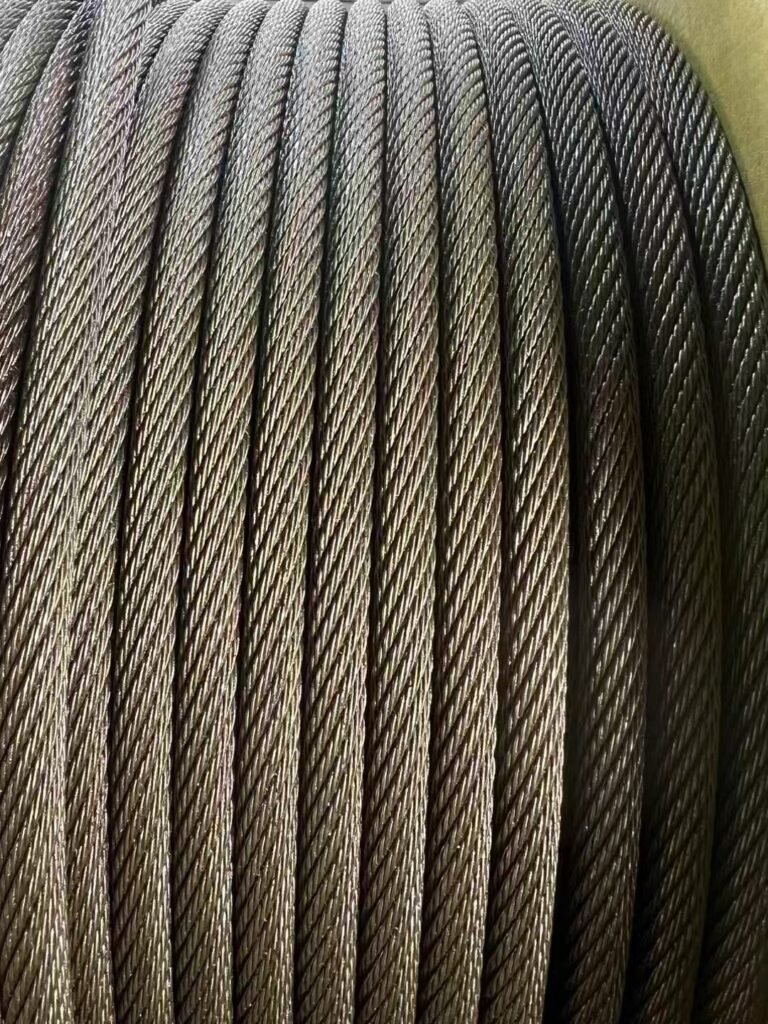
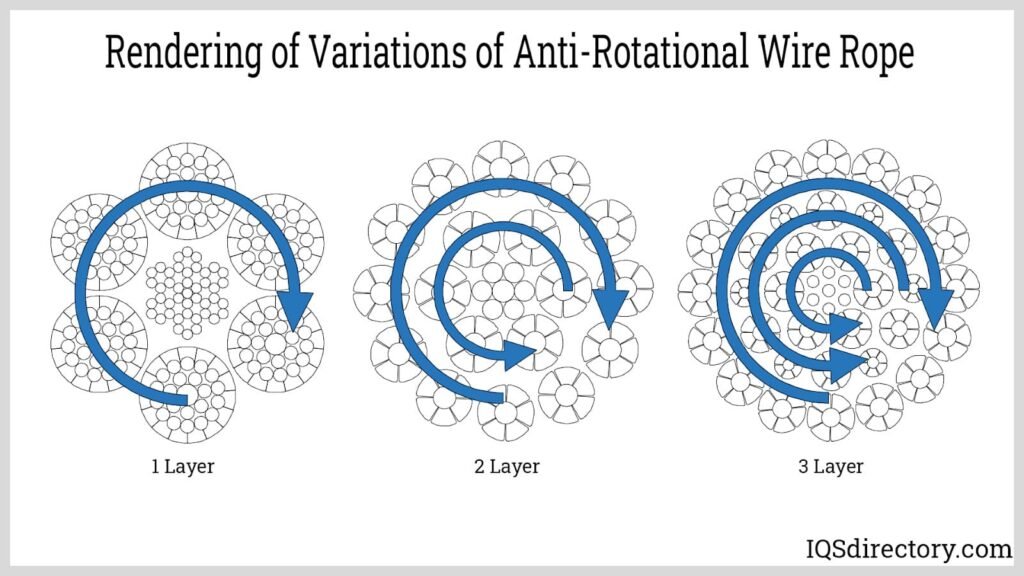
Non-rotating wire rope is designed to solve one key problem: load spinning. It uses multiple layers of strands that cancel torque.
Non-rotating wire rope is engineered with opposite directional layers that balance internal torque and prevent load rotation during lifting.
I always recommend it for high safety lifting systems.
Structure of non-rotating wire rope
| Feature | Description |
|---|---|
| Strand design | Multi-layer counter-lay |
| Core type | IWRC (steel core) |
| Torque control | High |
| Stability | Very high |
| Complexity | High |
Each layer is designed to cancel the force of the other layer.
How it works during lifting
When load is applied:
- Inner layer tries to rotate one direction
- Outer layer creates opposite force
- Torque becomes balanced
- Load stays stable
Common applications
- Tower cranes
- Offshore lifting systems
- Mining hoists
- Port container cranes
engineering logic
The key principle is torque balance.
Table: torque behavior comparison
| Factor | Rotating Rope | Non-Rotating Rope |
|---|---|---|
| Torque output | Released | Balanced |
| Load spin | Present | Controlled |
| Stability | Medium | High |
Safety advantage in real projects
I have seen cases where rotating rope causes hook spinning at high height. That creates serious risk.
Table: safety comparison
| Height | Rotating rope | Non-rotating rope |
|---|---|---|
| 50m | Manageable | Stable |
| 150m | Risky | Controlled |
| 300m | Unsafe | Safe |
Non-rotating rope is designed for these conditions.
What are the main differences between rotating and non-rotating wire rope?
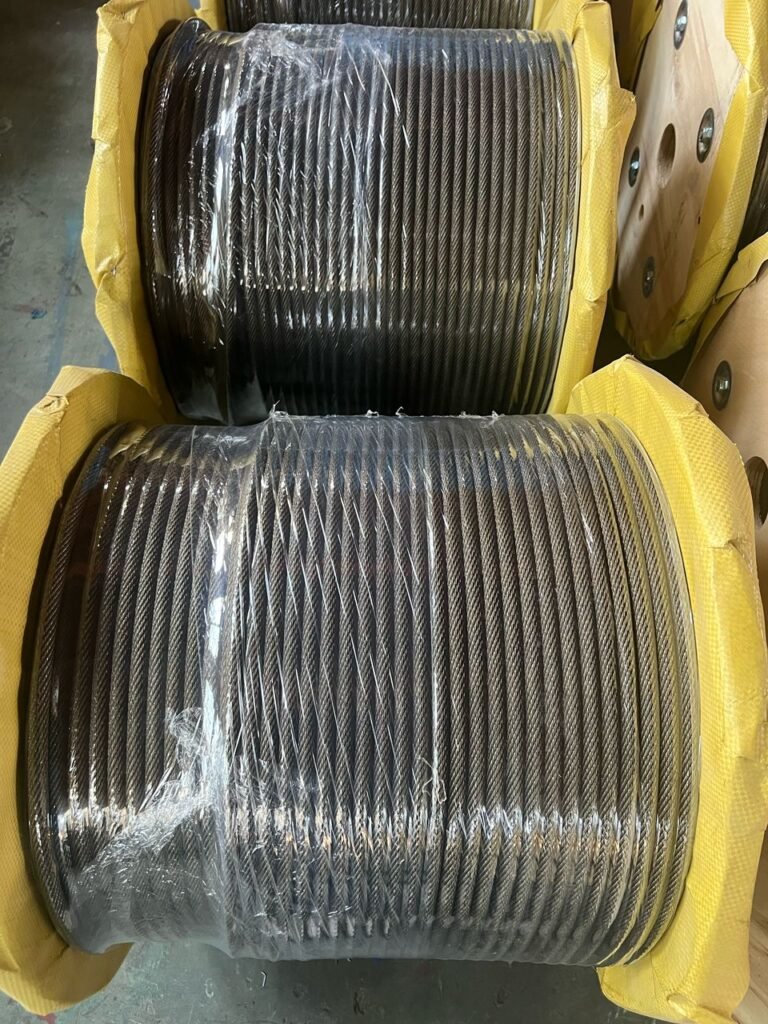
Many buyers ask me this before purchase. The difference is not only structure. It is also performance behavior.
Rotating wire rope transfers torque into rotation. Non-rotating wire rope cancels torque through balanced strand construction.
Structural comparison
| Factor | Rotating Rope | Non-Rotating Rope |
|---|---|---|
| Design | Simple | Complex |
| Layers | Single direction | Multi-direction |
| Torque | Not controlled | Balanced |
| Cost | Lower | Higher |
| Safety | Standard | High |
mechanical principle
Rotating rope follows natural torque release. That is why it spins under load.
Non-rotating rope uses opposite lay angles. This cancels internal rotation forces.
Table: force distribution
| Force type | Rotating rope | Non-rotating rope |
|---|---|---|
| Twisting force | Released | Balanced |
| Internal stress | Higher | Evenly distributed |
| Hook movement | Rotates | Stable |
Failure risk comparison
Table: risk analysis
| Risk type | Rotating rope | Non-rotating rope |
|---|---|---|
| Over-rotation | High | Low |
| Installation error | Low impact | High impact |
| Fatigue | Medium | Low |
Non-rotating rope needs correct installation. Rotating rope is easier but less stable.
When should I use rotating wire rope?
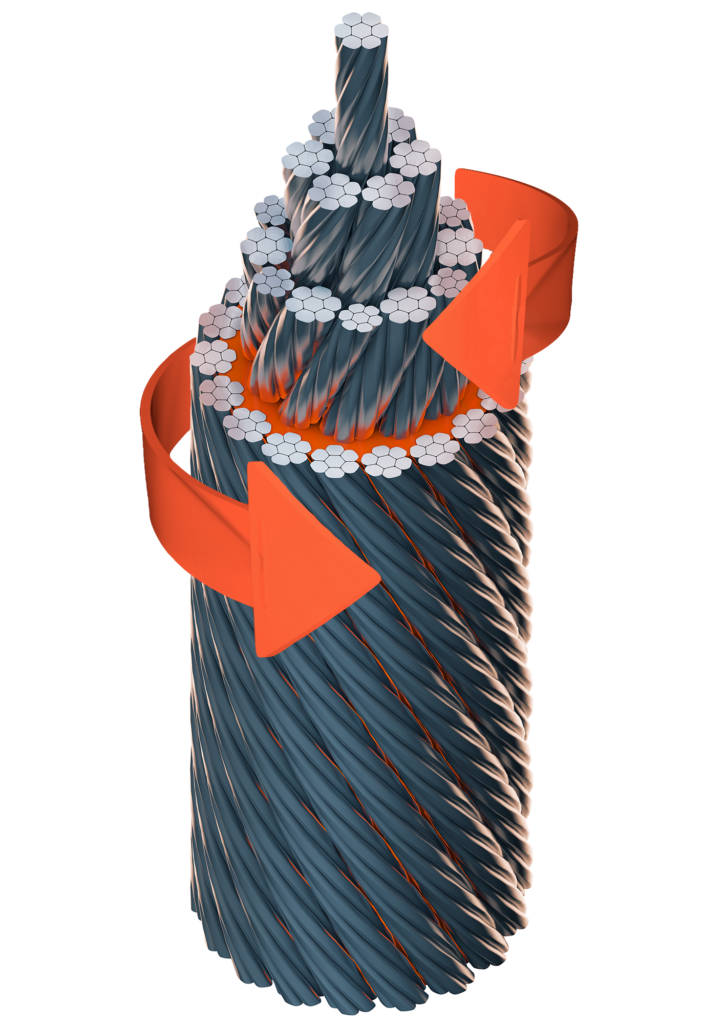
Rotating rope is still widely used in many industries. It is not outdated.
Rotating wire rope is suitable for low-height lifting systems where load rotation does not affect safety or operation.
Typical applications
- Small cranes
- Workshop lifting
- Light construction work
- Short-distance hoisting
cost vs performance
Rotating rope is often selected for budget reasons.
Table: economic view
| Factor | Rotating Rope |
|---|---|
| Cost | Low |
| Installation | Easy |
| Maintenance | Simple |
| Safety level | Standard |
Limitations in real use
I often see mistakes when rotating rope is used in tall cranes.
Table: suitability check
| Situation | Suitability |
|---|---|
| Short lift | Good |
| Medium lift | Acceptable |
| High lift | Not recommended |
Rotating rope works best in simple systems.
When should I choose non-rotating wire rope?
Non-rotating rope is a safety-focused solution.
Non-rotating wire rope should be used in high-rise lifting systems where load stability is critical.
Main use cases
- Tower cranes
- Offshore platforms
- Mining operations
- Port handling systems
safety-driven engineering
At high height, even small rotation becomes dangerous.
Table: height risk analysis
| Height | Risk with rotating rope | Result with non-rotating rope |
|---|---|---|
| 50m | Medium | Stable |
| 120m | High | Controlled |
| 300m | Very high | Safe |
Technical benefits
- Better load control
- Reduced swing
- Higher operator safety
- Longer equipment life
Table: performance gain
| Feature | Benefit |
|---|---|
| Torque balance | Stable lifting |
| Multi-layer design | Reduced rotation |
| Steel core | Higher strength |
I often see clients switch after experiencing field issues with rotating rope.
How do I choose the right wire rope for my project?
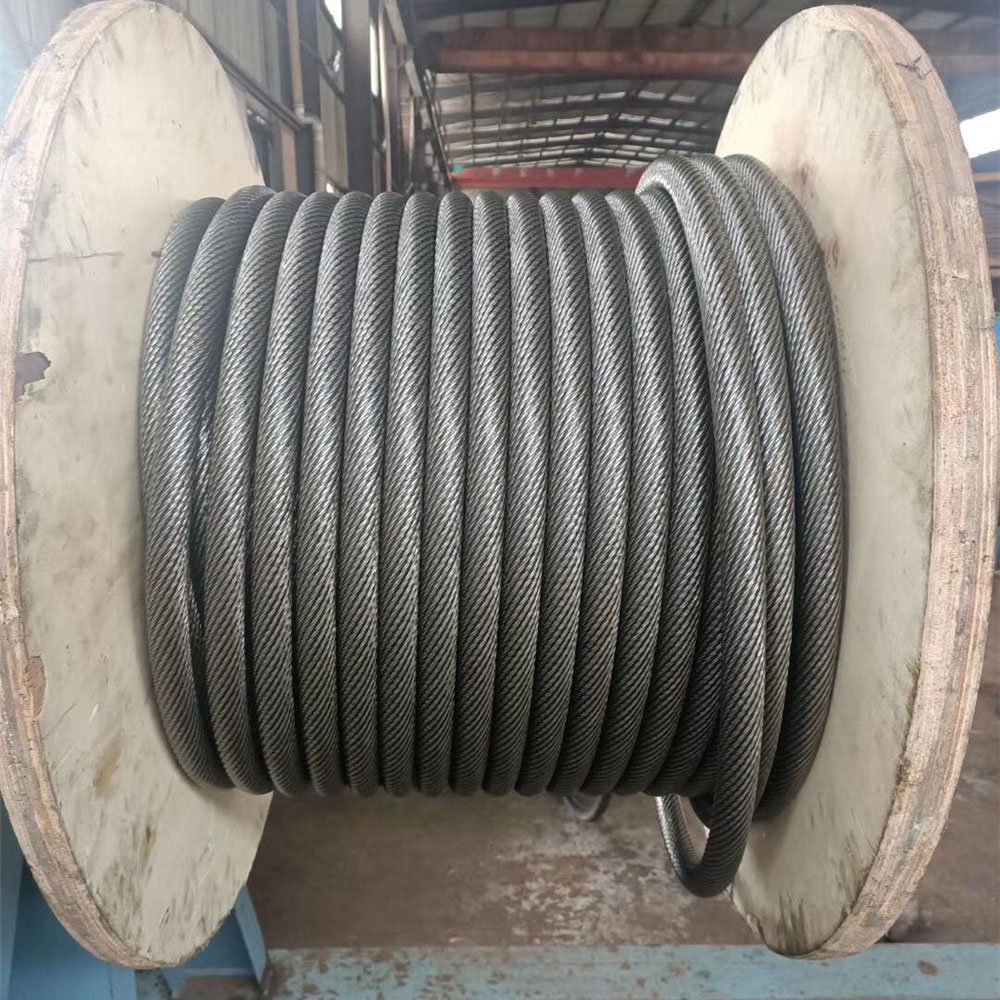
Selection is always based on real working conditions.
The correct wire rope depends on lifting height, load weight, working environment, and safety requirement.
Step-by-step selection method
1. Lifting height
High height → non-rotating rope
2. Load type
Heavy or sensitive load → higher stability rope
3. Environment
Offshore/mining → non-rotating rope
4. Budget
Rotating rope → cost saving option
Dive deeper: practical selection table
Table: application guide
| Application | Recommended rope |
|---|---|
| Small crane | Rotating rope |
| Building construction | Non-rotating rope |
| Port crane | Non-rotating rope |
| Factory use | Rotating rope |
Certification and quality
In my projects, I also consider certifications:
- EN12385-4 standard
- BV inspection
- CE certification
- DNV / ABS / RMRS approval
Table: quality impact
| Factor | Importance |
|---|---|
| Certification | High |
| Safety standard | Very high |
| Client requirement | High |
Conclusion
Rotating wire rope allows controlled spin. Non-rotating wire rope prevents spin and improves safety. The correct choice depends on lifting conditions and system design.