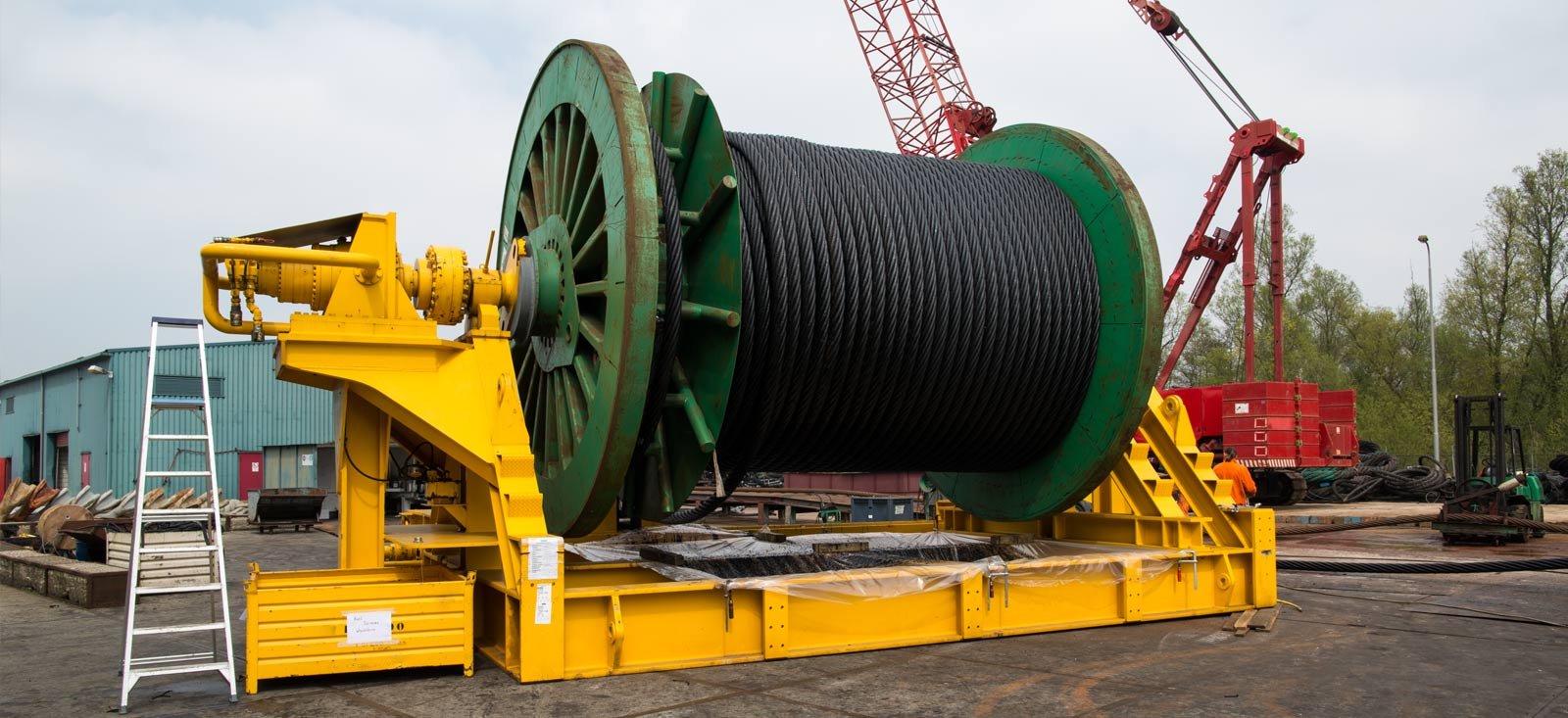
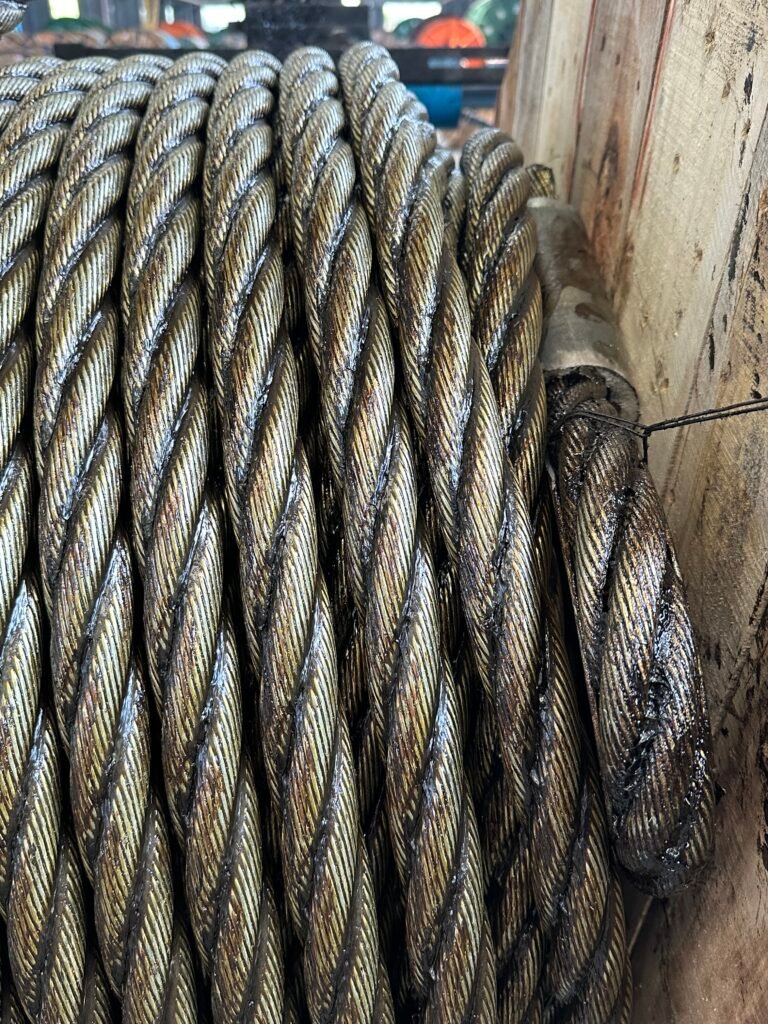
Wire rope failure and uncontrolled rotation often create serious lifting risks. I have seen projects delayed because operators used the wrong rope type and lost control during lifting.
I design and supply non-rotating 4-strand Uni-rope U4XSES (39) to reduce spin, improve lifting stability, and support high-load crane operations in demanding environments with strict safety needs.
I often meet buyers who already face hook spinning, load swing, and early rope damage. Most of them think the crane is the problem. In many cases, the rope construction is the real cause.
Why Is Non-Rotating 4-Strand Uni-Rope U4XSES (39) Different From Standard Wire Rope?
Standard wire rope often rotates under load. This rotation becomes stronger when lifting height increases. This creates safety risks and control problems.
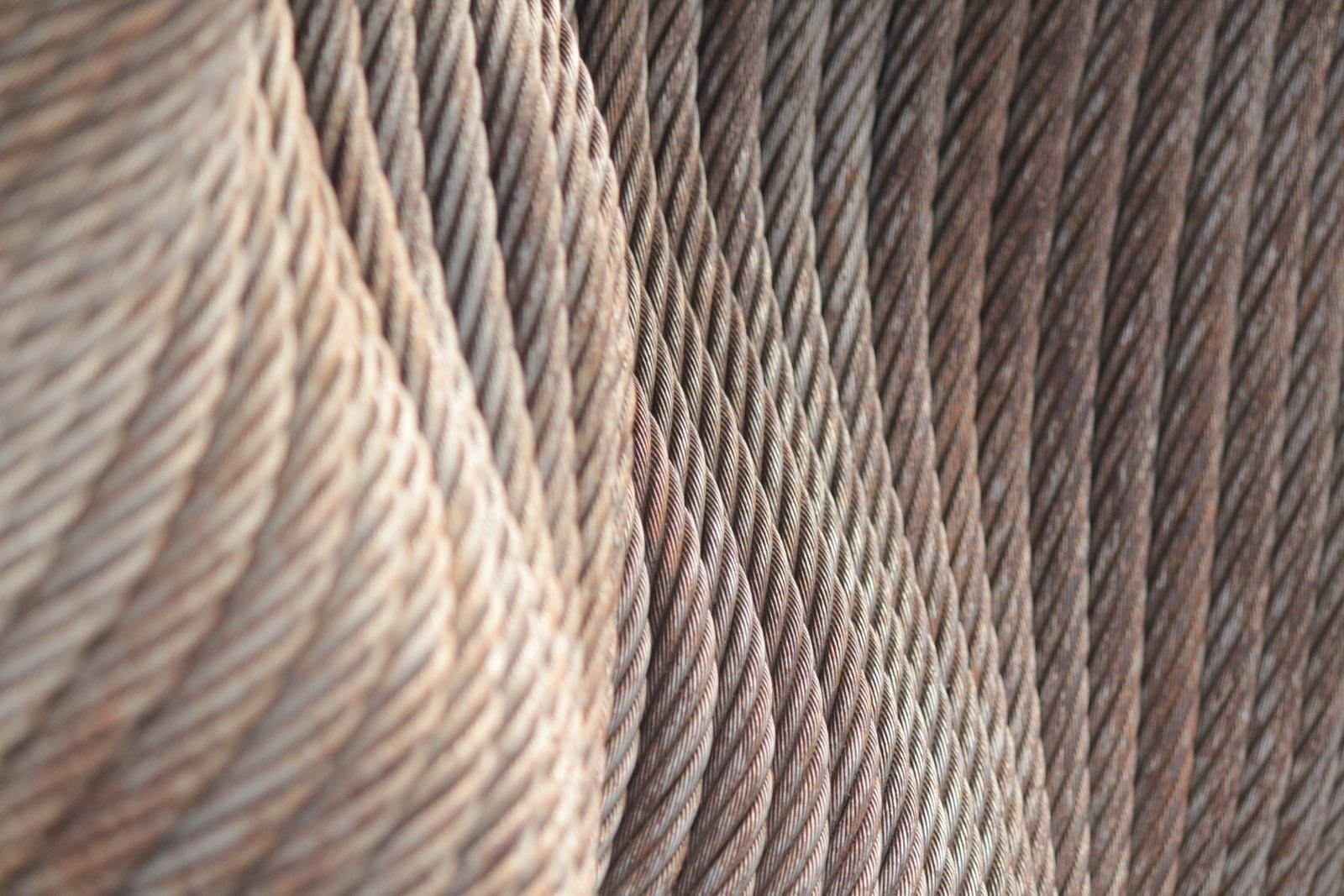
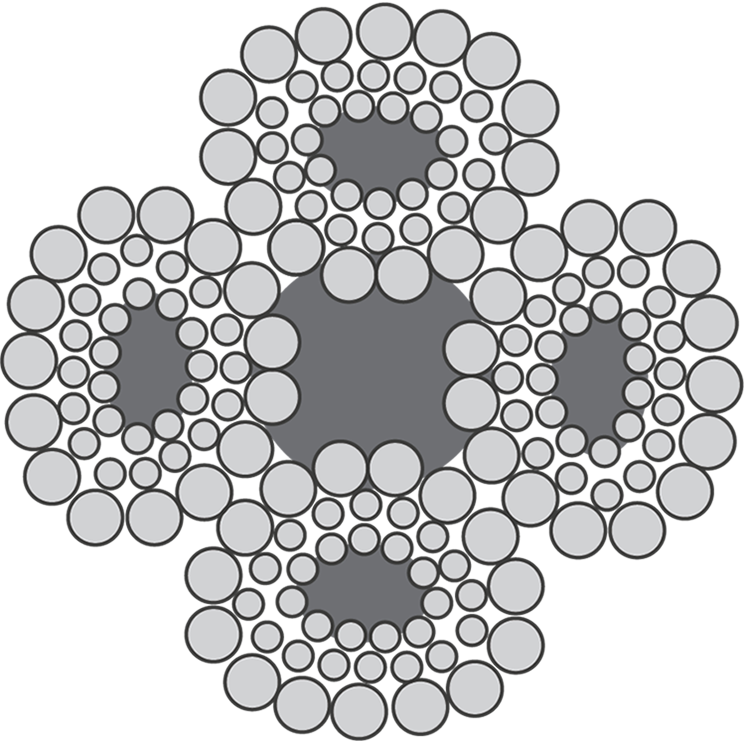
Non-rotating 4-strand Uni-rope U4XSES (39) uses a balanced torque construction that reduces rotation under load and improves lifting stability in high-performance crane systems.
I always explain this in a simple way. Standard rope behaves like a spring. Non-rotating rope behaves like a balanced system.
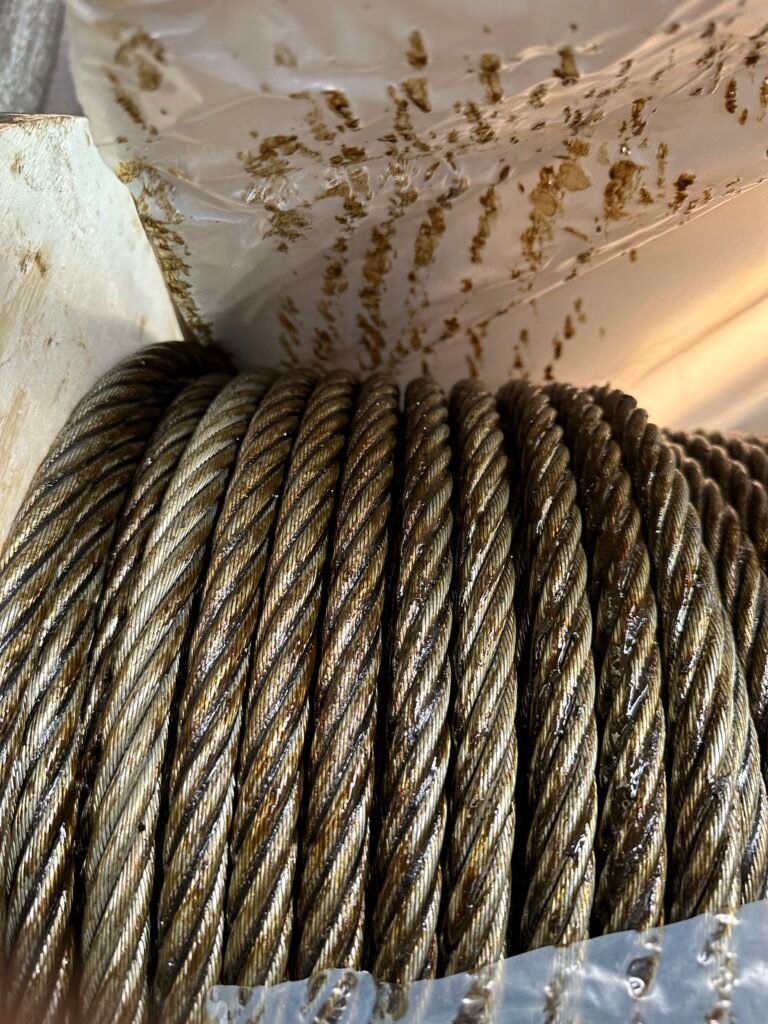
Key construction differences
| Feature | Standard Wire Rope | U4XSES (39) Non-Rotating Rope |
|---|---|---|
| Strand structure | 6 or 8 strands | 4-strand Uni-rope system |
| Rotation control | Low | High |
| Torque balance | Weak | Strong |
| Deep lifting stability | Limited | High |
| Load control | Medium | Precise |
This structure is designed to cancel internal torque. One strand group pushes against another group. The result is a stable rope under load.
Why rotation becomes a real problem in lifting
Rotation is not only a visual issue. It creates real operational risks:
- Load swings during lifting
- Hook spinning under tension
- Damage to drum grooves
- Faster fatigue in wire strands
I once worked with a port operator who had repeated shutdowns because the hook kept spinning during container lifting. The problem disappeared after switching to a non-rotating structure.
How Does 4-Strand Uni-Rope Construction Improve Performance?
Many buyers focus only on breaking load. I always tell them that internal structure decides real performance.
The 4-strand Uni-rope construction improves performance by balancing internal torque forces and reducing stress concentration during lifting cycles.
This design is not simple. It is based on controlled mechanical balance.
Internal structure explanation
| Component | Function |
|---|---|
| Outer strand system | Carry main load |
| Inner counter strands | Control rotation |
| Core support layer | Stabilize structure |
| Lubrication channels | Reduce friction |
Each layer has a role. No part works alone. The rope behaves like one unified system.
Performance improvements in real use
From field experience, I observe these improvements:
- Smoother crane operation
- Lower vibration during fast lifting
- Better control in deep hoisting
- Reduced rope twist at high height
I remember a mining project where the operator said the lift “feels lighter” even though the load was the same. This is the effect of reduced internal stress.
Where Is Non-Rotating 4-Strand Wire Rope Commonly Used?
Different industries require different rope behavior. Non-rotating rope is used where stability is critical.
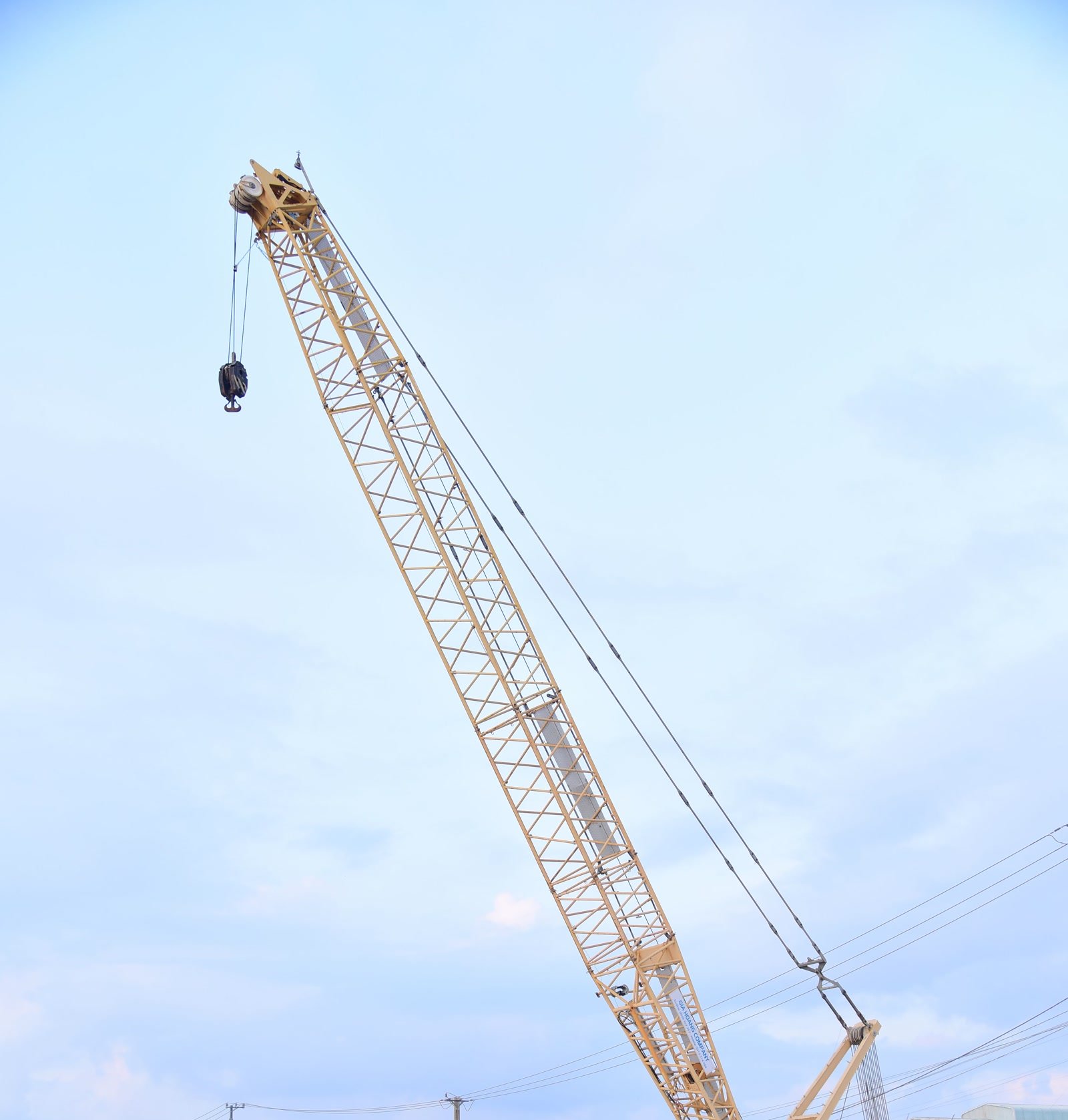
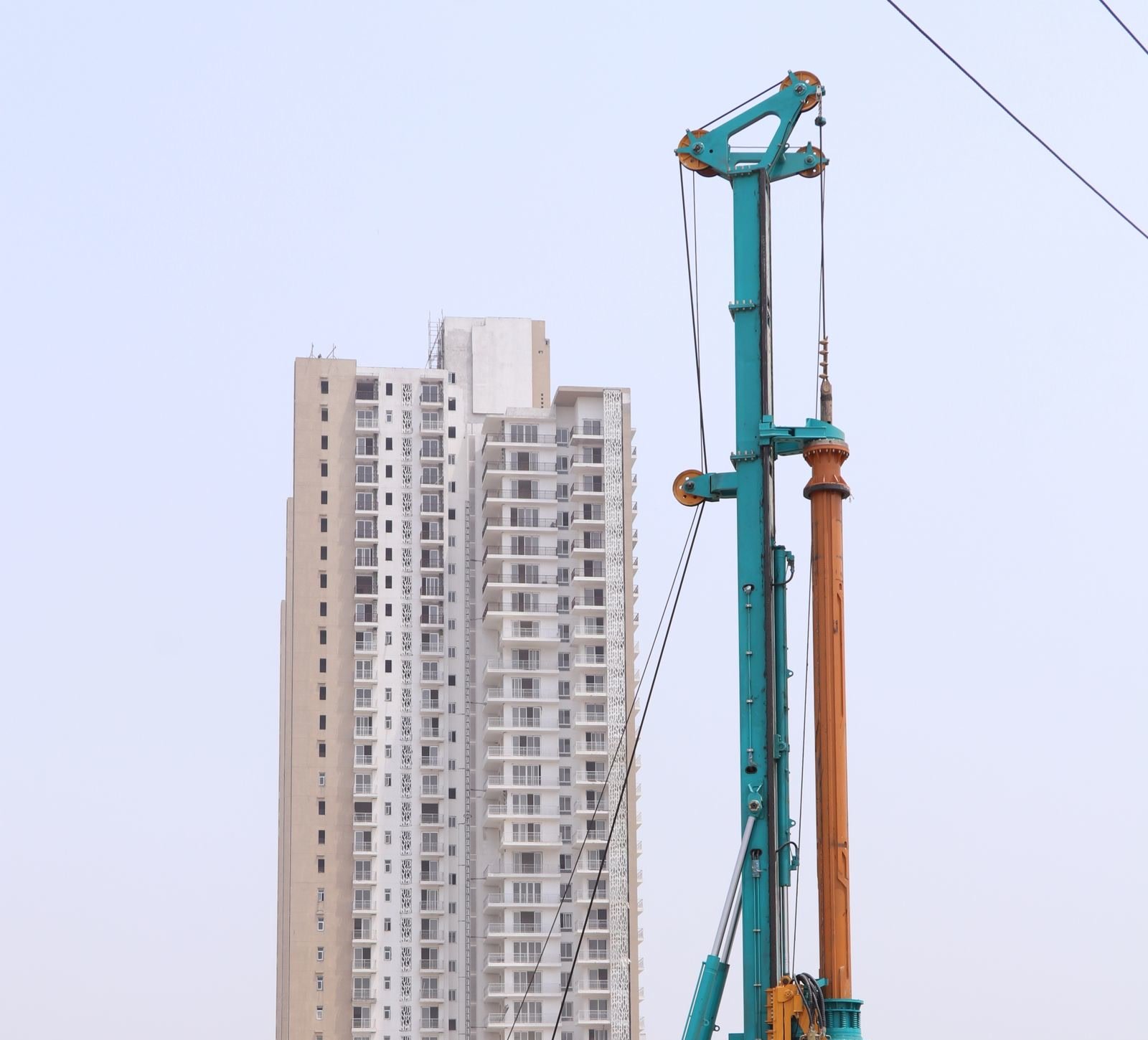
U4XSES (39) non-rotating wire rope is widely used in cranes, offshore systems, mining hoists, and deep lifting environments where rotation control is essential.
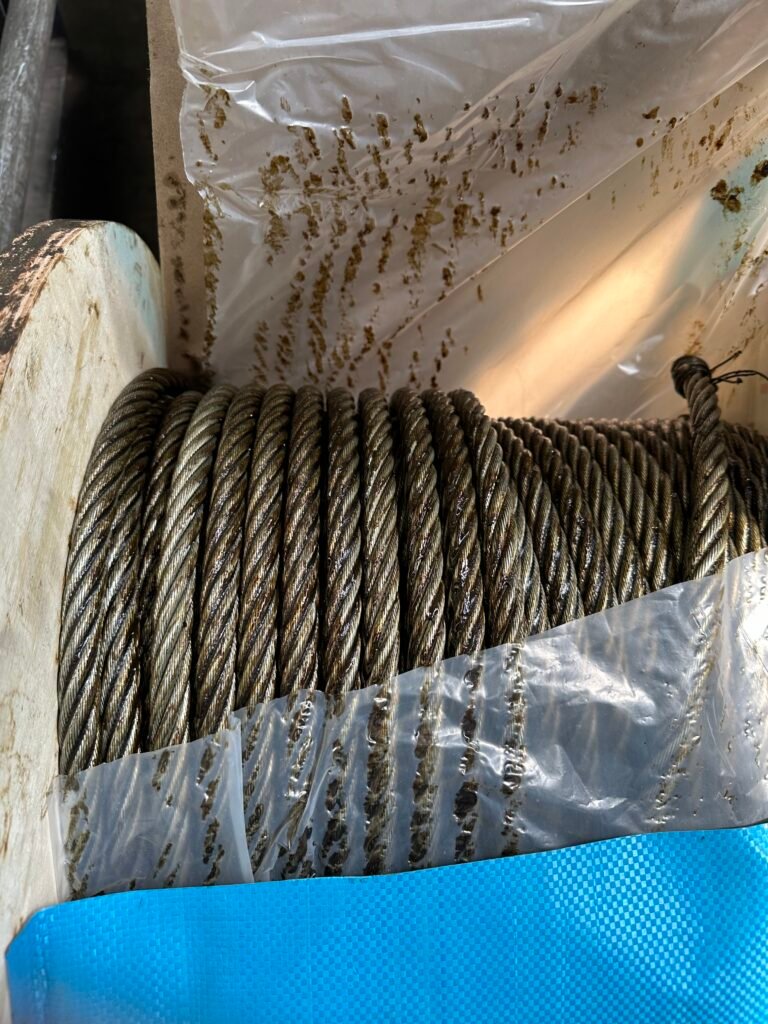
Main application industries
| Industry | Application |
|---|---|
| Construction | Tower crane lifting |
| Ports | Container handling cranes |
| Marine | Offshore lifting systems |
| Mining | Deep shaft hoisting |
| Energy | Wind turbine installation |
Each environment increases rotation risk differently. Height is the biggest factor.
Why these industries choose non-rotating rope
These industries share one problem: long lifting distance.
When lifting height increases, torque builds up in standard rope. The rope starts to rotate more.
Non-rotating rope solves this by balancing torque inside the structure.
Real field example
I once supported a project in a coastal port. The operator had difficulty controlling container swing at 40 meters height. After switching to U4XSES (39), the swing reduced significantly. The operator did not change the crane. Only the rope changed.
What Standards and Certifications Apply to U4XSES (39)?
Certification is not optional in industrial procurement. Many projects reject products without proper documents.
U4XSES (39) wire rope can be supplied under EN12385-4 and supported with certifications such as BV, CE, DNV, ABS, and RMRS depending on project requirements.
Certification overview
| Certification | Purpose |
|---|---|
| EN12385-4 | Wire rope manufacturing standard |
| CE | EU compliance |
| BV | Marine inspection approval |
| DNV | Offshore system certification |
| ABS | Ship and marine classification |
| RMRS | Russian industrial compliance |
Each certificate confirms material quality and load performance.
Why certification affects project success
I often see cases where buyers lose tenders due to missing certificates.
Common requirements include:
- Government infrastructure projects
- Offshore oil and gas systems
- Large port construction contracts
- Insurance-approved lifting systems
Without certification, even good rope cannot enter the project.
How Do I Select the Right Diameter and Breaking Load?
Incorrect selection is one of the most common problems I see in wire rope applications.
Selecting the correct U4XSES (39) rope depends on load capacity, crane system, lifting height, and required safety factor.
Key selection factors
| Factor | Explanation |
|---|---|
| Working load | Maximum lifting weight |
| Safety factor | Industry safety margin |
| Drum size | Mechanical compatibility |
| Lifting height | Affects rotation risk |
| Environment | Marine, mining, or dry land |
Practical selection guide
| Application | Focus point |
|---|---|
| Tower crane | Anti-rotation + precision |
| Port crane | Fatigue resistance |
| Mining hoist | Deep lift stability |
| Offshore crane | Corrosion resistance |
I always remind buyers that bigger is not always better. Wrong diameter can damage crane drums and reduce rope life.
How Is U4XSES (39) Wire Rope Manufactured?
Many buyers do not understand how manufacturing affects performance. I always explain this step because it builds trust in product quality.
U4XSES (39) is manufactured through controlled stranding, heat treatment, and precision lubrication to ensure balanced torque and long service life.
Manufacturing stages
| Stage | Purpose |
|---|---|
| Wire drawing | Increase tensile strength |
| Stranding | Build rope structure |
| Compaction | Improve density |
| Heat treatment | Stabilize performance |
| Lubrication | Reduce internal friction |
Each step affects final performance.
Why manufacturing control matters
Small differences in process create big differences in field use.
For example:
- Poor stranding causes uneven load
- Weak lubrication increases internal wear
- Incorrect heat treatment reduces strength
I have seen ropes fail early only because lubrication was not evenly applied during production.
What Mistakes Should Be Avoided When Using Non-Rotating Rope?
Even high-quality rope can fail if used incorrectly. I always highlight this during technical discussions.
Most wire rope failures come from incorrect installation, overload, poor maintenance, and ignoring rotation limits.
Common mistakes
| Mistake | Result |
|---|---|
| Overloading | Premature failure |
| No lubrication | High friction wear |
| Wrong drum size | Strand deformation |
| Ignoring broken wires | Sudden failure risk |
| Incorrect installation | Uneven tension |
Simple field experience
I once saw a rope fail in only three months. The cause was not material quality. The operator did not lubricate the rope for weeks.
Another rope in a different site lasted over one year under the same load. The only difference was maintenance discipline.
How Can I Maintain and Extend Service Life?
Maintenance is often ignored, but it decides real service life.
Proper lubrication, regular inspection, and correct storage conditions significantly extend the service life of U4XSES (39) non-rotating wire rope.
Maintenance checklist
| Task | Frequency |
|---|---|
| Visual inspection | Daily |
| Lubrication | Weekly or monthly |
| Drum alignment check | Monthly |
| End fitting inspection | Weekly |
| Load monitoring | Continuous |
Environmental impact
Environment affects rope life more than many people think:
- Marine air increases corrosion
- Dust increases internal abrasion
- High heat reduces lubrication performance
Practical advice from field work
I always suggest simple habits:
- Clean rope surface regularly
- Apply lubrication evenly
- Avoid sudden load shocks
- Replace early when broken wires increase
These small actions extend rope life more than expensive replacements.
Conclusion
Non-rotating 4-strand Uni-rope U4XSES (39) improves lifting stability, reduces rotation risk, and supports safe heavy lifting in demanding industrial environments.