Many buyers choose wire ropes by price only. This choice can create safety risks, higher replacement costs, and unexpected downtime.
Class 6×19 IWRC and Fiber Core wire ropes are two common wire rope structures. IWRC means Independent Wire Rope Core, while Fiber Core uses a natural or synthetic fiber core. They have different strength, flexibility, crushing resistance, and application advantages.
I have supplied wire ropes for cranes, mining, marine, and industrial projects. I have seen that the correct core selection often decides the rope performance and service life.
What Does Class 6×19 Wire Rope Mean?
Many people see wire rope numbers but do not know what they represent. Understanding the structure helps buyers make better decisions.
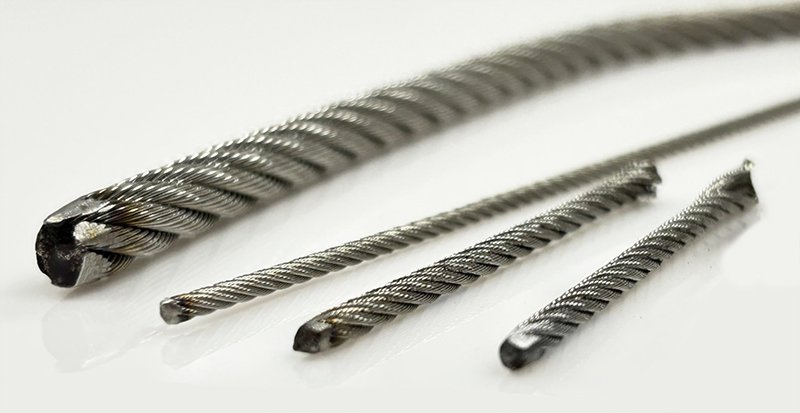
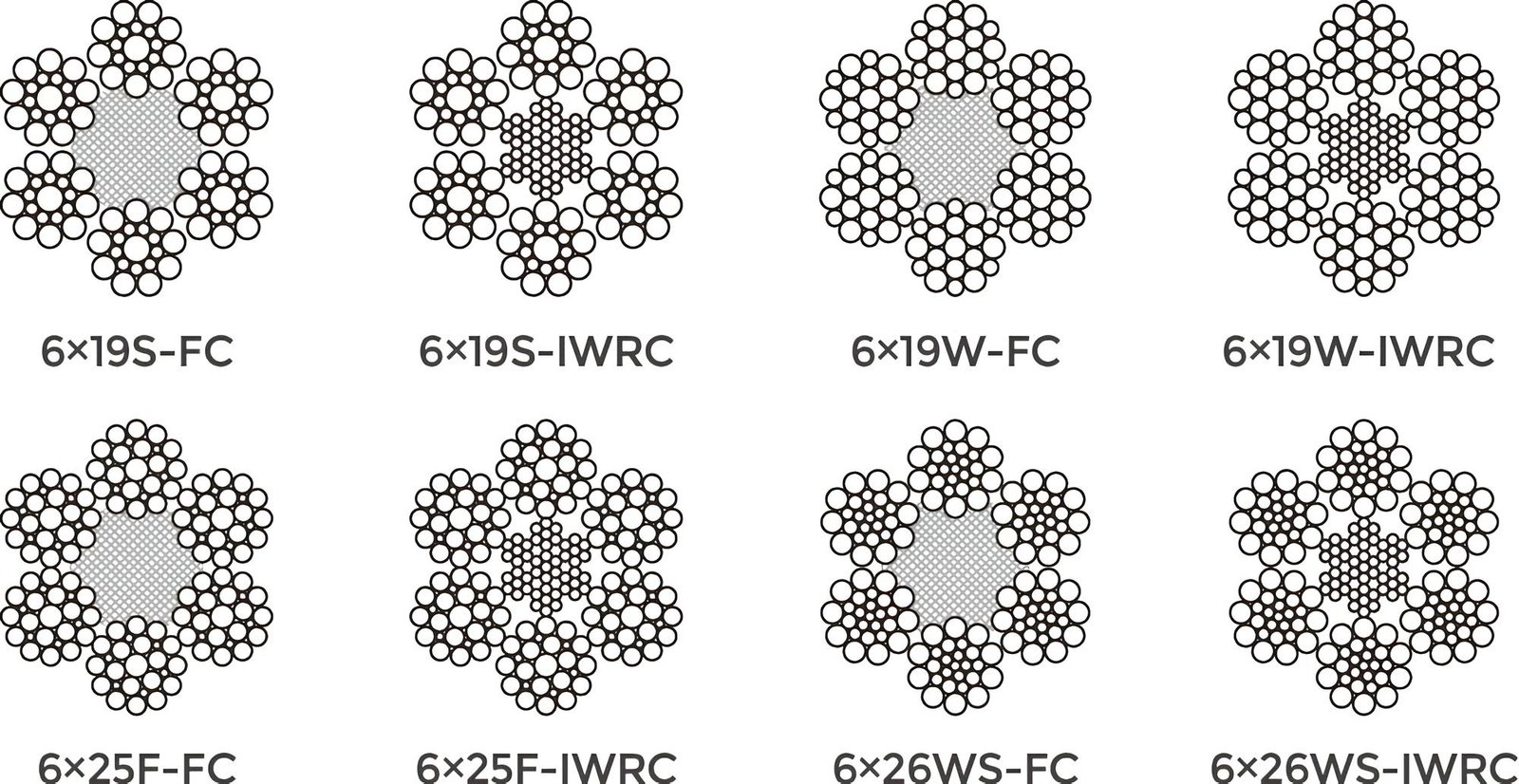
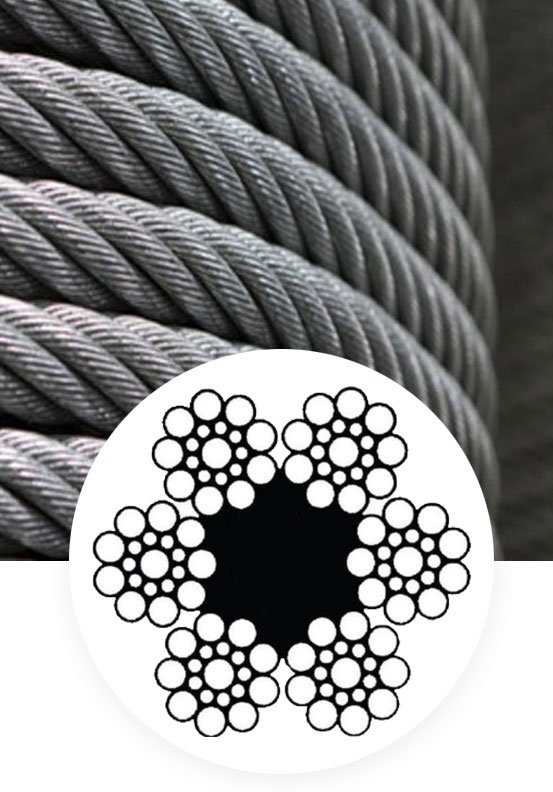
Class 6×19 means the wire rope has six strands, and each strand contains 19 wires. This structure provides a balanced combination of strength, flexibility, and wear resistance.
Understanding the 6×19 Wire Rope Structure
A wire rope is not a single steel wire. It is made of several parts.
| Part | Function |
|---|---|
| Wire | Provides tensile strength |
| Strand | Combines multiple wires together |
| Core | Supports the strands and maintains rope shape |
| Lubricant | Reduces friction and corrosion |
The “6” means the rope has six outer strands.
The “19” means each strand contains 19 wires.
The construction creates a medium flexibility rope. It is not the most flexible design, but it provides good durability.
Why Is 6×19 Popular in Industrial Applications?
I often recommend Class 6×19 wire rope for applications that need reliable performance.
The main advantages include:
- Good breaking strength
- Good abrasion resistance
- Simple structure
- Easy maintenance
- Competitive cost
Many cranes, lifting equipment, winches, and general machinery use this structure.
However, 6×19 is not always the best choice.
Some applications need higher flexibility. Some applications need better resistance against crushing. Buyers need to consider the working environment first.
Common Types of 6×19 Wire Rope
Class 6×19 can have different core options.
| Type | Core | Main Feature |
|---|---|---|
| 6×19 FC | Fiber Core | More flexible |
| 6×19 IWRC | Steel Core | Higher strength |
| 6×19 galvanized | Galvanized steel wire | Better corrosion resistance |
| 6×19 bright | Uncoated steel wire | Common indoor use |
The same construction can have different performance because of the core and surface treatment.
What Is IWRC Wire Rope and Why Is It Stronger?
Many heavy-duty industries require wire ropes that can handle high loads. The core design becomes very important.
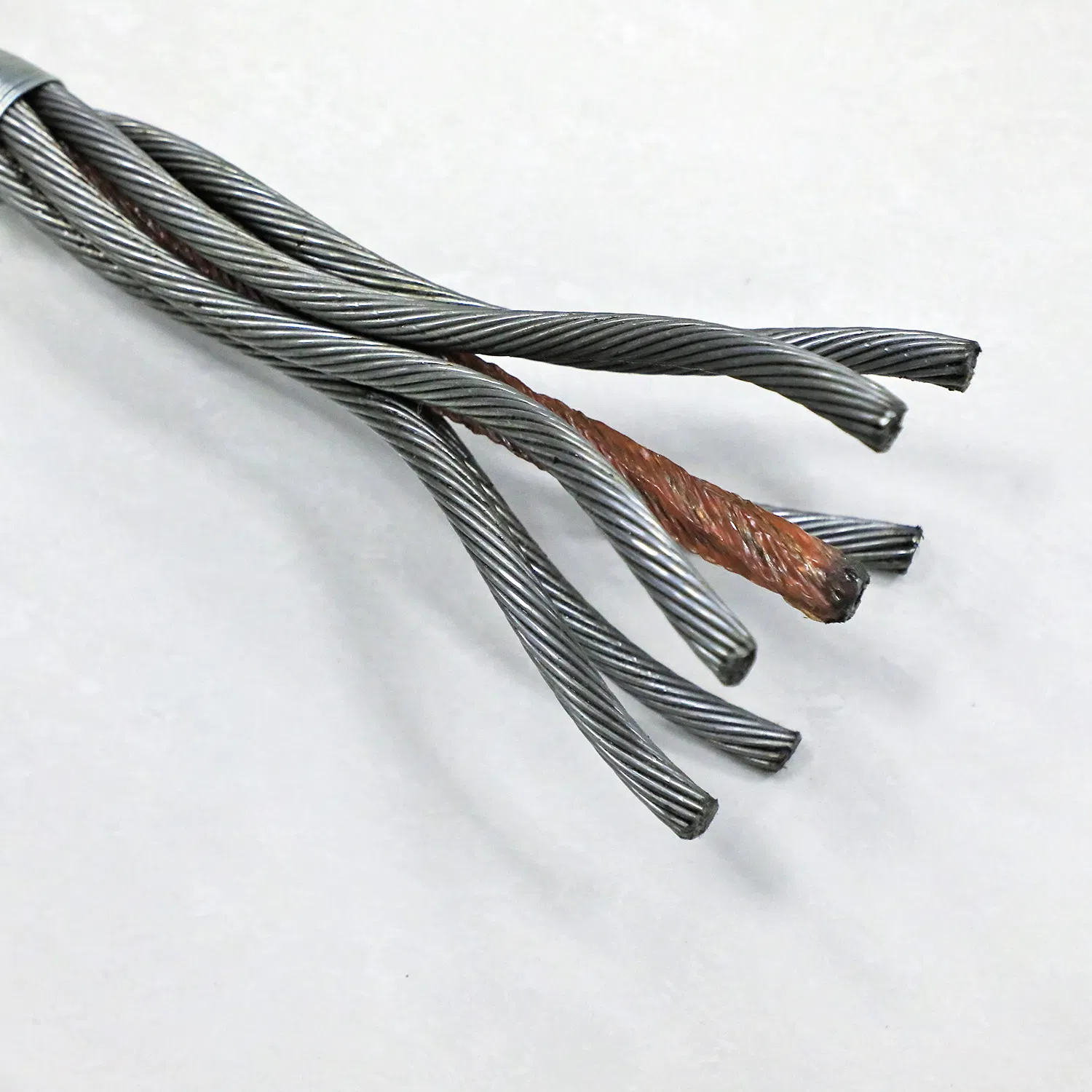
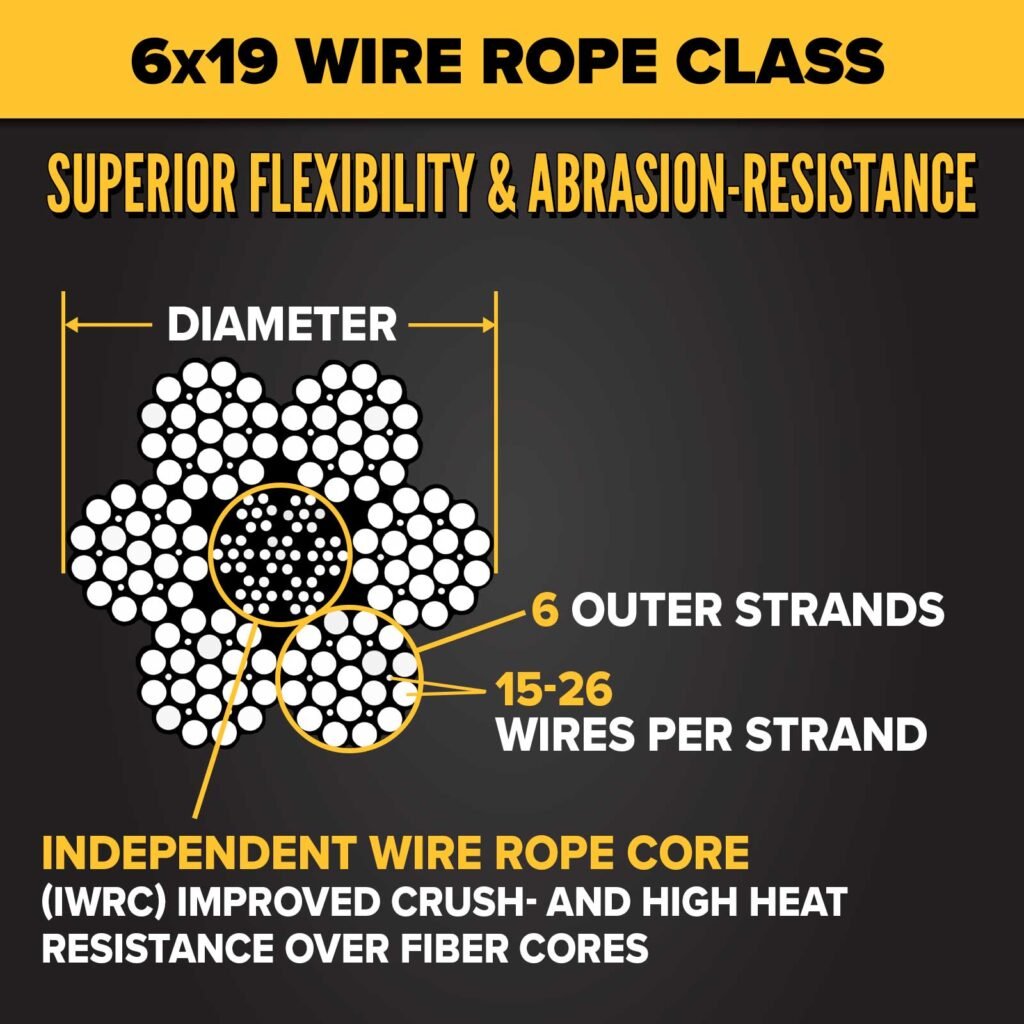
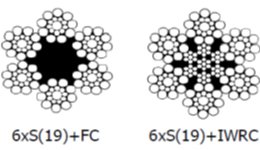
IWRC means Independent Wire Rope Core. It is a small steel wire rope placed inside the main rope. It improves strength, stability, and resistance to crushing.
How Does IWRC Improve Wire Rope Performance?
The core works like a support structure.
When a wire rope carries heavy loads, the outer strands move and compress. A fiber core may deform under high pressure.
An IWRC core provides stronger internal support.
The benefits include:
| Performance | IWRC Advantage |
|---|---|
| Breaking load | Higher |
| Shape stability | Better |
| Crushing resistance | Higher |
| Temperature resistance | Better |
| Heavy lifting ability | Stronger |
For example, crane operators often choose IWRC ropes because the rope faces repeated loading cycles every day.
Why Do Heavy Industries Prefer IWRC?
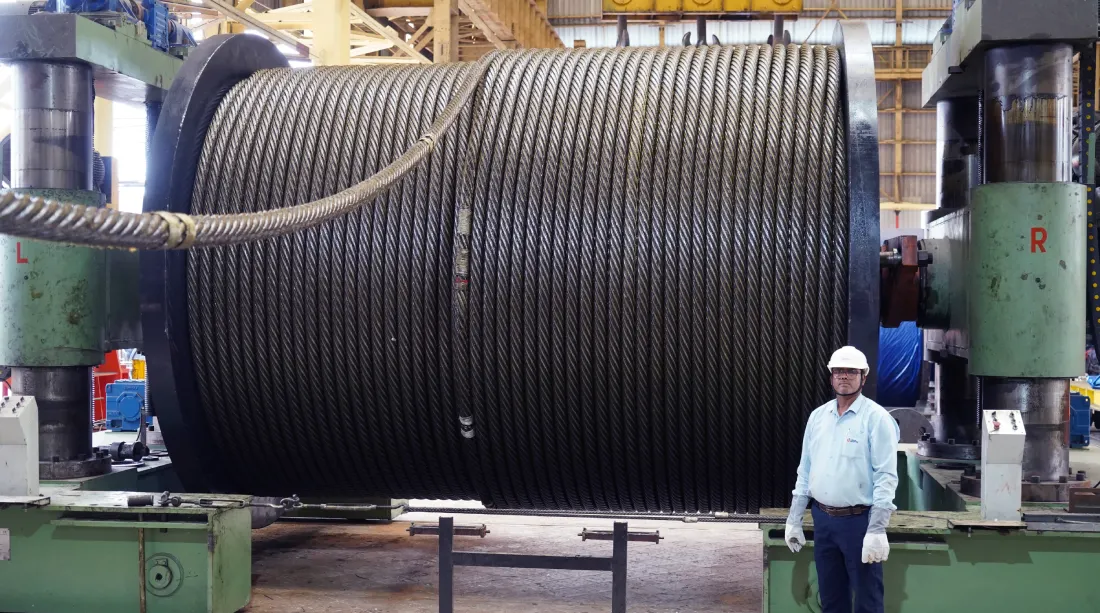
I have worked with customers from mining, ports, and construction industries. Many of them select IWRC because equipment downtime costs much more than the rope itself.
Mining equipment needs ropes that can handle:
- Heavy loads
- Long working hours
- Shock loading
- Dust and harsh environments
Port cranes need ropes that can handle:
- Frequent lifting operations
- High working cycles
- Dynamic loading
In these cases, IWRC usually provides longer service life.
Are There Any Disadvantages of IWRC?
IWRC has many advantages, but it also has limitations.
The main disadvantages are:
- Higher cost
- Lower flexibility compared with fiber core
- Heavier weight
For small lifting equipment or applications requiring frequent bending, a fiber core rope may perform better.
What Is Fiber Core Wire Rope and When Should I Use It?
Not every application needs maximum strength. Some equipment needs flexibility first.
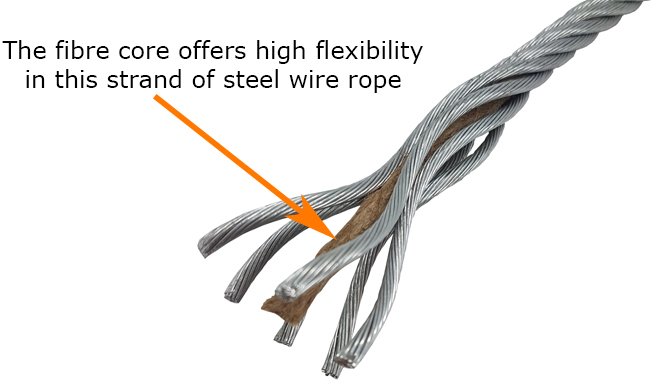
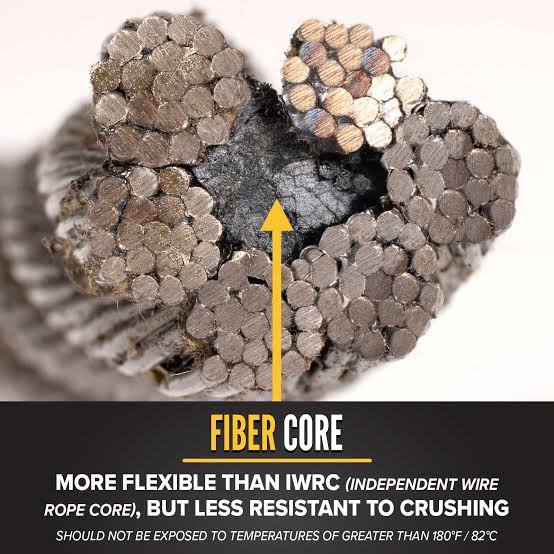
Fiber Core wire rope uses natural or synthetic fiber inside the rope. It provides better flexibility, easier handling, and good bending performance.
How Does Fiber Core Work?
The fiber core supports the outer strands while allowing more movement.
The core can be made from:
| Core Material | Feature |
|---|---|
| Natural fiber | Traditional and economical |
| Polypropylene | Moisture resistant |
| Synthetic fiber | Better durability and stability |
Fiber core ropes are softer and more flexible.
They are suitable for equipment where the rope passes over sheaves frequently.
What Are the Advantages of Fiber Core Wire Rope?
Fiber core ropes provide several benefits.
They offer:
- Better flexibility
- Lower weight
- Easier installation
- Lower initial cost
Many general lifting applications use fiber core ropes because they provide enough performance at a reasonable price.
Where Is Fiber Core Commonly Used?
Typical applications include:
| Application | Reason for Choosing Fiber Core |
|---|---|
| Small cranes | Good flexibility |
| Manual lifting equipment | Easy handling |
| General winches | Cost efficiency |
| Indoor lifting | Suitable environment |
However, fiber core is not ideal for extremely heavy loads or high temperature environments.
The fiber inside can lose performance when exposed to excessive heat or pressure.
What Is the Difference Between 6×19 IWRC and Fiber Core?
Many buyers compare these two options because they look similar. The core creates the biggest difference.
6×19 IWRC provides higher strength and crushing resistance, while 6×19 Fiber Core provides better flexibility and lower cost. The right choice depends on the working condition.
Performance Comparison Between IWRC and Fiber Core
| Feature | 6×19 IWRC | 6×19 Fiber Core |
|---|---|---|
| Strength | Higher | Lower |
| Flexibility | Medium | Better |
| Crushing resistance | Excellent | Limited |
| Weight | Higher | Lower |
| Cost | Higher | Lower |
| Heavy lifting | Better | Limited |
| Frequent bending | Good | Excellent |
Which One Has a Longer Service Life?
There is no simple answer.
A stronger rope does not always last longer.
The working condition decides the service life.
For example:
A crane lifting 50 tons every day needs IWRC.
A small workshop hoist with frequent bending may perform better with fiber core.
The wrong rope choice can reduce service life even if the rope quality is high.
How Should Buyers Select the Right Core?
I usually suggest buyers check these questions:
| Question | Why It Matters |
|---|---|
| What is the working load? | Determines strength requirement |
| How often does the rope work? | Determines fatigue resistance |
| Is there bending movement? | Determines flexibility requirement |
| Is the environment wet or corrosive? | Determines coating requirement |
| Is there high temperature? | Determines core suitability |
A professional supplier should not only provide a price. The supplier should understand the application.
How Do Standards Like EN12385-4 Affect Wire Rope Selection?
Quality standards help buyers control risk. They also help international buyers compare suppliers.
EN12385-4 defines requirements for stranded steel wire ropes used in lifting applications, including construction, testing, and documentation requirements.
Why Are Certifications Important?
Many international buyers require documents before purchase.
Common requirements include:
- Material certificates
- Test reports
- Breaking load reports
- Third-party certificates
For some projects, buyers may request certificates from organizations such as:
- BV
- CE
- DNV
- RMRS
- ABS
These documents help confirm product quality and traceability.
Why Should Buyers Work With Experienced Manufacturers?
Wire rope looks simple, but production requires experience.
Manufacturers need to control:
- Steel wire quality
- Strand production
- Rope closing process
- Lubrication
- Testing procedures
A small production difference can affect rope performance.
How Can I Choose the Right 6×19 Wire Rope Supplier?
Choosing a supplier is not only about finding the lowest price.
A reliable supplier should provide consistent quality, technical support, certificates, and stable production capability for long-term cooperation.
What Should Buyers Check Before Ordering?
I recommend checking:
| Check Point | Reason |
|---|---|
| Factory experience | Shows production capability |
| Testing equipment | Ensures quality control |
| Certificates | Supports project approval |
| Production capacity | Ensures delivery time |
| Export experience | Reduces communication problems |
Why Does Factory Capability Matter?
Wire rope projects often involve strict delivery schedules.
A supplier with multiple production lines can handle different orders at the same time.
This reduces production delays and helps customers manage their projects better.
How Can Aulone Support Wire Rope Projects?
I focus on providing wire ropes for international customers in different industries.
Our products include:
- Crane wire rope
- Mining wire rope
- Marine wire rope
- Galvanized wire rope
- Elevator wire rope
- Synthetic rope
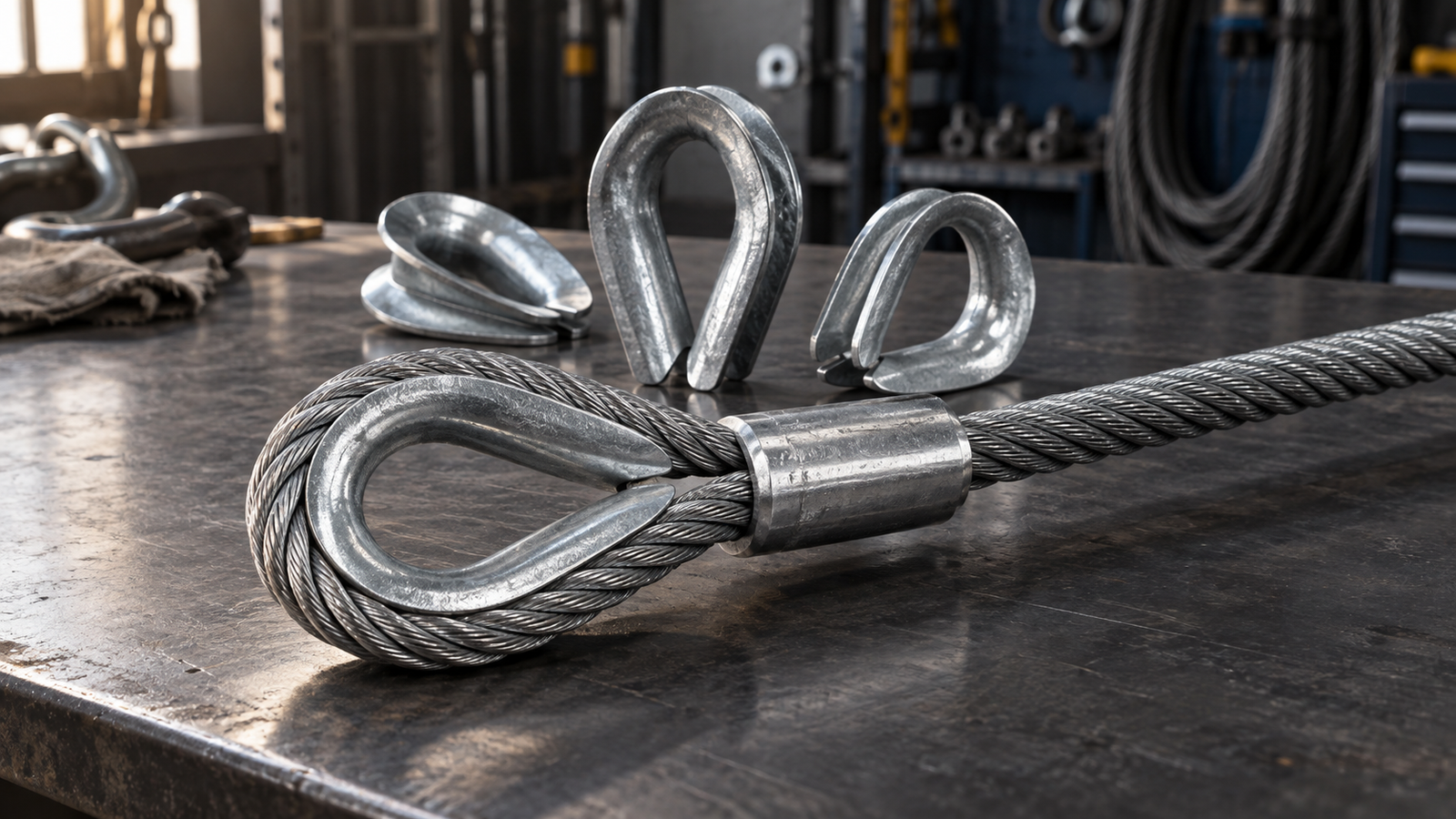
- Specialized wire rope assemblies
We can provide customized solutions based on working conditions, load requirements, and certification needs.
Conclusion
Choosing between 6×19 IWRC and Fiber Core depends on strength, flexibility, environment, and application requirements. The right rope improves safety, efficiency, and service life.