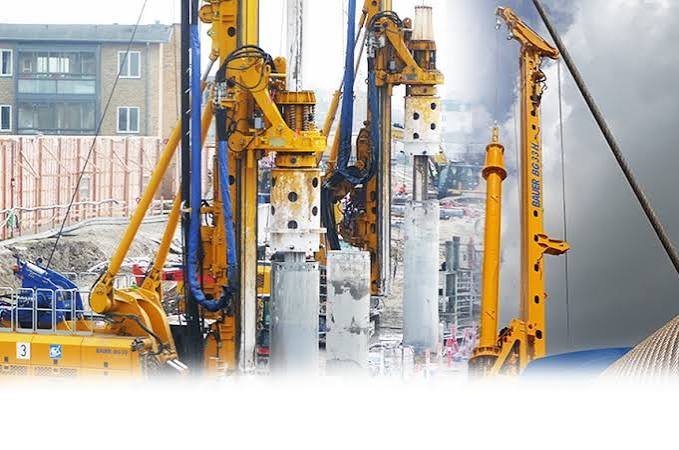
Rotary drilling rigs work under heavy loads and tough ground conditions. A poor wire rope can cause unexpected downtime, higher maintenance costs, and serious safety risks. I believe choosing the right rope is just as important as choosing the right drilling equipment.
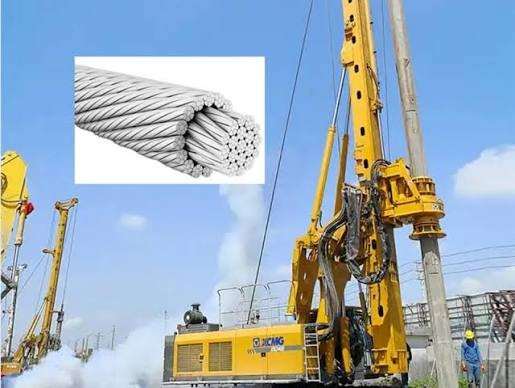
Rotary drilling rig wire rope is a key component in hoisting, auxiliary hoisting, and crowd systems. I manufacture high-strength wire ropes for these applications, with different constructions, tensile grades, and surface treatments to meet the needs of different rotary drilling rigs.
I have worked with customers in the piling and foundation industry for years. I understand that every drilling project has different working conditions. Some customers need high breaking loads. Others care more about fatigue resistance, rope flexibility, or service life. In this guide, I will explain how I select rotary drilling rig wire ropes and what buyers should check before placing an order.
What Are the Main Types of Wire Rope Used in Rotary Drilling Rigs?
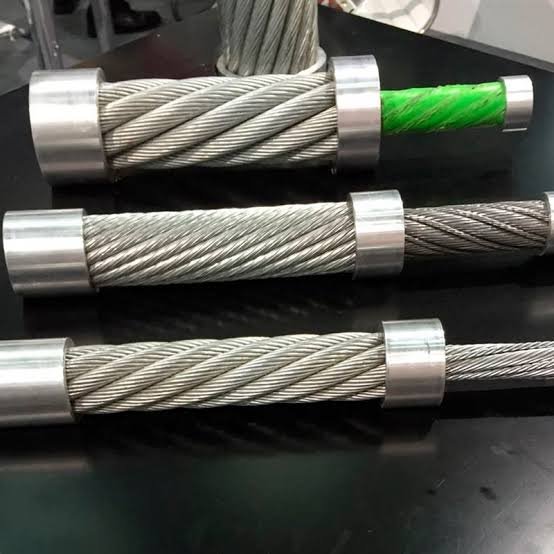
Not all wire ropes perform the same job on a rotary drilling rig. I usually divide these ropes into three main groups based on their applications.
Rotary drilling rigs mainly use hoist ropes, auxiliary hoist ropes, and crowd ropes. Each rope has a different function and working condition. I select the rope construction based on its load, movement, bending frequency, and equipment requirements.
Main Hoist Wire Rope
I consider the main hoist rope one of the most important ropes on a rotary drilling rig. The main hoist system lifts and lowers drilling tools, buckets, and other heavy equipment.
I pay attention to its minimum breaking force, tensile strength, bending fatigue, abrasion resistance, and compatibility with the equipment’s sheaves and drum.
Auxiliary Hoist Wire Rope
The auxiliary hoist rope supports additional lifting operations. Operators may use it to handle drilling tools, accessories, and other equipment.
I check the lifting capacity, rope speed, drum arrangement, and working frequency before recommending a construction.
Crowd System Wire Rope
The crowd system controls the downward and upward movement of drilling equipment during drilling operations.
This rope may work under repeated tension and movement. I always ask customers about the crowd system design before recommending a rope.
| Application | Main Function | Key Requirements |
|---|---|---|
| Main hoist | Lifting heavy drilling tools | High breaking load and fatigue resistance |
| Auxiliary hoist | Auxiliary lifting operations | Flexibility and reliable performance |
| Crowd system | Controlling drilling movement | Fatigue performance and wear resistance |
Which Wire Rope Construction Is Best for Rotary Drilling Rigs?
The rope construction directly affects its strength, flexibility, and service life. I often see buyers focus only on rope diameter and tensile grade. I think construction deserves the same attention.
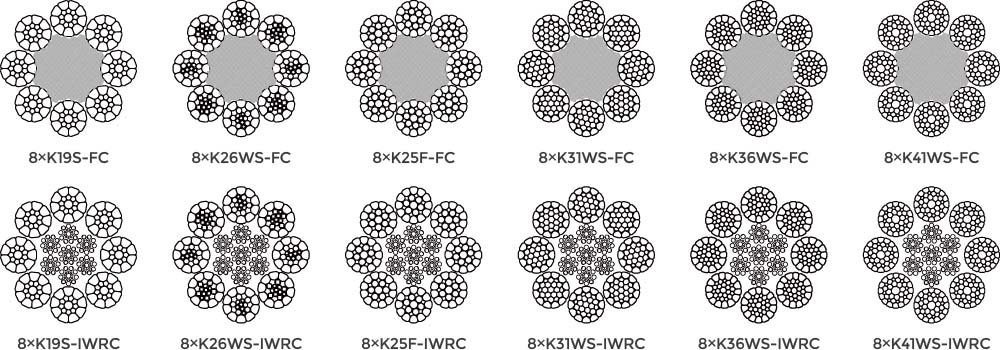
I recommend selecting rotary drilling rig wire rope constructions according to the equipment design and operating conditions. Common options include 6×36WS, 35WXK7, 8×K36WS, and 6×K36WS, depending on the application and manufacturer’s specifications.
6×36WS Wire Rope
The 6×36WS construction is a common option for industrial lifting applications. I like this construction because it offers a balance between flexibility and strength.
It can be suitable for applications that involve repeated bending. However, I do not automatically recommend it for every rotary drilling rig. I first check the equipment requirements and working conditions.
35WXK7 Wire Rope
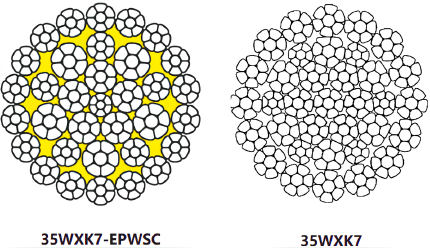
The 35WXK7 construction is a specialized wire rope option for demanding lifting applications.
I pay attention to its compact structure and high load-bearing capacity. This construction can be considered for heavy-duty hoisting systems when the equipment manufacturer approves it.
8×K36WS and 6×K36WS Wire Rope
These constructions are also options for demanding lifting applications. I consider the number of strands, wire arrangement, and core structure when evaluating their performance.
A multi-strand construction may offer different flexibility and bending characteristics compared with a six-strand rope.
| Construction | Main Characteristics | Typical Considerations |
|---|---|---|
| 6×36WS | Balanced flexibility and strength | General lifting applications |
| 35WXK7 | Specialized compact construction | Heavy-duty hoisting |
| 8×K36WS | Multi-strand structure | Specific flexibility requirements |
| 6×K36WS | Compacted strand construction | Heavy-duty lifting |
I do not believe that a more complicated construction always means better performance. I believe the best construction is the one that works properly with the equipment.
How Do I Choose the Right Rope Diameter and Breaking Load?
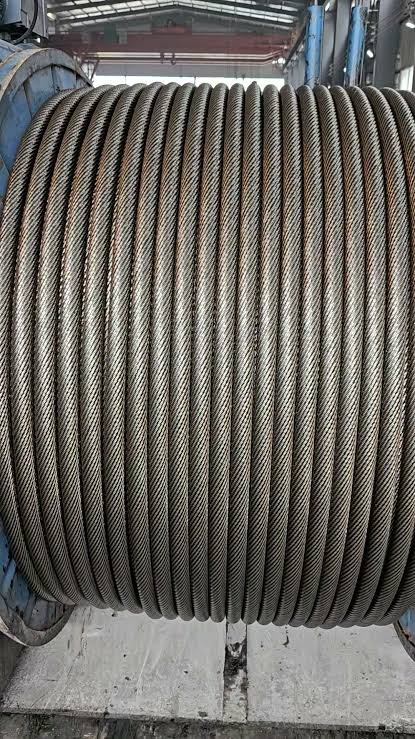
Rope diameter and breaking load are two basic specifications in every rotary drilling rig wire rope order. A small mistake in either specification can create problems during installation and operation.
I select rope diameter and minimum breaking force based on the original equipment specifications, lifting system design, working load, and safety requirements. I do not recommend changing the diameter or strength grade without checking equipment compatibility.
Check the Original Rope Diameter
I always ask customers to provide the original rope diameter. The diameter affects the rope’s contact with the drum and sheaves.
An incorrect diameter may cause poor winding, uneven wear, or installation problems. I also consider the diameter tolerance required by the applicable standard.
Understand Minimum Breaking Force
Minimum breaking force is the minimum force that a wire rope must withstand before breaking under specified test conditions.
I never suggest using a rope with a lower breaking force than the equipment requires. However, I also do not believe that simply choosing the highest possible breaking force is always the right solution.
Select the Correct Tensile Strength
Common wire rope tensile grades include 1770 MPa, 1960 MPa, and 2160 MPa.
A higher tensile grade can help increase the rope’s breaking force for a given diameter. But I also consider flexibility, fatigue performance, and the actual application.
Some drilling applications may require 1960 MPa rather than 2160 MPa because the customer has specific concerns about rope performance under repeated operation.
| Specification | Why I Need It |
|---|---|
| Diameter | To ensure equipment compatibility |
| Construction | To match the original rope design |
| Tensile grade | To meet strength requirements |
| Minimum breaking force | To meet lifting system requirements |
| Length | To arrange production and packing |
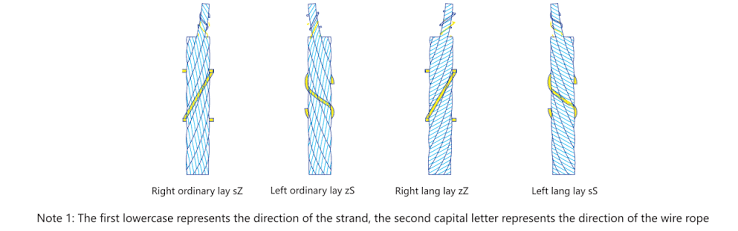
| Lay direction | To match the drum arrangement |
| Surface treatment | To meet corrosion protection needs |
Should I Choose Compacted or Regular Wire Rope for Rotary Drilling Rigs?
Both compacted and regular wire ropes have their own advantages. I often discuss this subject with customers who operate heavy drilling equipment.
Compacted wire rope has strands that are compressed during manufacturing. This process creates a more compact strand structure and can improve breaking force and external contact characteristics. Regular wire rope has a conventional strand structure and can offer a suitable balance of flexibility, strength, and cost.
What Is Compacted Wire Rope?
I manufacture compacted wire ropes through an additional strand-compacting process.
This process changes the shape and arrangement of the wires within each strand. The finished strand has a smoother and more compact outer surface.
I consider compacted wire rope when customers need higher breaking force within a given diameter and a compact strand structure.
What Is Regular Wire Rope?
Regular wire rope uses conventional strand manufacturing methods.
I consider this option when the customer needs a proven rope construction that meets the original equipment requirements.
It can also be a practical choice when the application does not require a specialized compacted construction.
Which One Should I Recommend?
I do not believe compacted wire rope is always better. If the original equipment requires a regular construction, I prefer to follow the original specifications.
If the equipment allows compacted wire rope, I can evaluate whether it offers a real benefit.
| Comparison | Compacted Wire Rope | Regular Wire Rope |
|---|---|---|
| Strand structure | Compressed | Conventional |
| Breaking force | Can be higher in comparable designs | Depends on rope design |
| External surface | More compact | Conventional strand profile |
| Cost | May be higher | Often more economical |
Is Galvanized or Plastic Impregnated Wire Rope Better for Drilling Applications?
Rotary drilling rigs often work in outdoor environments. Rain, mud, dust, and moisture can affect wire rope performance. I believe surface protection is an important part of rope selection.
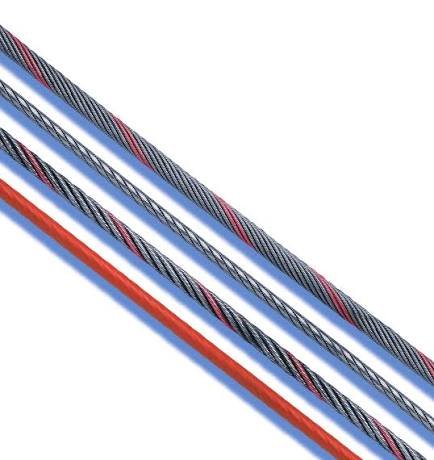
Galvanized wire rope provides zinc protection against corrosion. Plastic impregnated wire rope has plastic material within the rope structure to help protect internal wires and reduce the entry of contaminants. I select the treatment according to the working environment and equipment requirements.
Galvanized Wire Rope
I recommend galvanized wire rope when corrosion protection is an important requirement. The zinc coating helps protect the steel wires from environmental corrosion.
This option can be useful for drilling operations in wet environments and outdoor construction sites.
Plastic Impregnated Wire Rope
Plastic impregnated wire rope is another option for demanding applications.
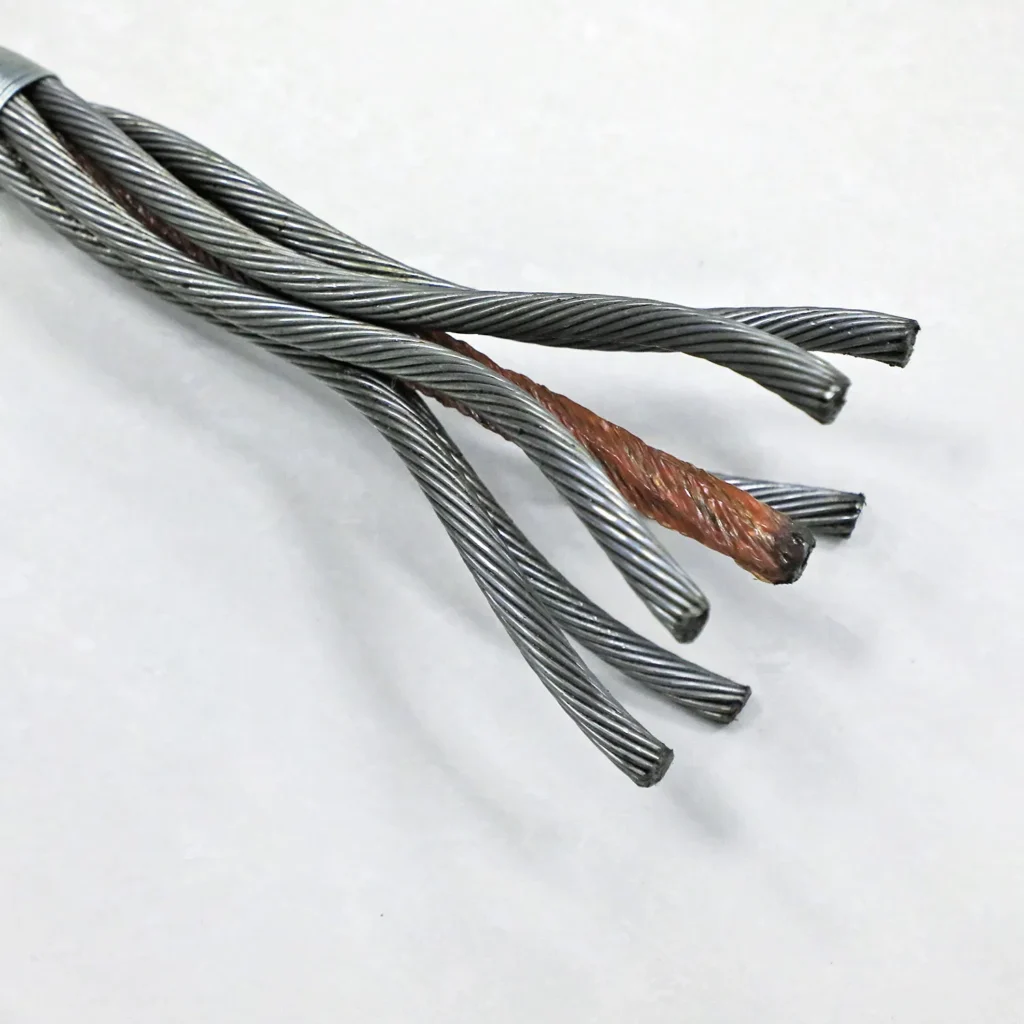
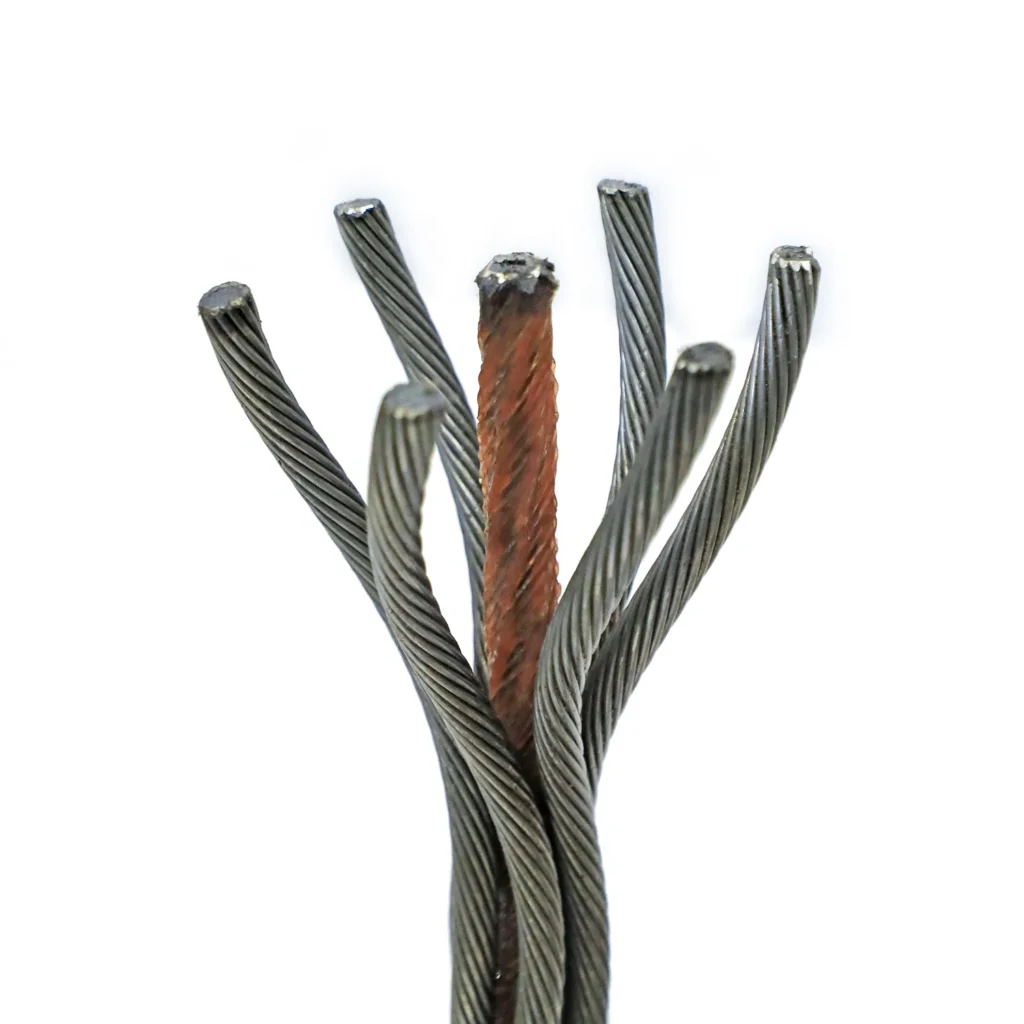
The plastic material can help reduce the penetration of water and dirt into the rope structure. It can also help reduce internal friction in suitable rope designs.
I consider this option when the customer has specific requirements for internal protection and operating conditions.
| Factor | Galvanized Wire Rope | Plastic Impregnated Wire Rope |
|---|---|---|
| Protection | Zinc coating | Plastic protection within the rope |
| Main benefit | Corrosion resistance | Additional internal protection |
| Typical consideration | Outdoor and wet environments | Specific demanding applications |
I can manufacture galvanized and plastic impregnated wire ropes based on customer requirements. I always check equipment compatibility before confirming the surface treatment.
How Can I Check the Quality of Rotary Drilling Rig Wire Rope?
Wire rope quality is not something I can judge by appearance alone. A rope may look good on the outside but still have problems with its internal structure or material quality.
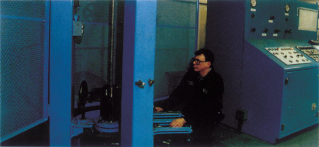
I check rotary drilling rig wire rope quality through raw material control, dimensional inspection, tensile testing, breaking force testing, and production quality control. I also provide relevant inspection documents and certificates according to the order requirements.
Raw Material Quality
I believe good wire rope starts with good steel. The chemical composition and mechanical properties of the raw material affect the performance of the finished rope.
I pay attention to the steel wire’s tensile strength, surface condition, and consistency.
Diameter Inspection
I check the finished rope diameter to make sure it meets the agreed requirements.
An incorrect diameter can affect the rope’s contact with sheaves and drums. I also check the rope surface and construction during production.
Breaking Force Testing
Breaking force is one of the most important technical indicators.
I use testing to verify whether the finished rope meets the required minimum breaking force. For customers with strict technical requirements, I can provide test reports based on the order specifications.
Certificates and Inspection Documents
I understand that large contractors, crane rental companies, and drilling equipment operators may need formal documentation.
Depending on the product and project requirements, I can discuss:
- EN 12385-4 compliance.
- Material Test Certificates (MTC).
- BV certification or inspection.
- CE documentation where applicable.
- DNV certification where applicable.
- ABS certification where applicable.
- RMRS certification where applicable.
I confirm the certification scope before accepting an order because not every certificate applies to every product.
What Information Should I Provide When Ordering Rotary Drilling Rig Wire Rope?
I know that buyers often need quotations quickly. However, incomplete technical information can lead to incorrect quotations and unnecessary delays.
I recommend providing the rope diameter, construction, length, tensile grade, lay direction, core type, minimum breaking force, and application when requesting a quotation. Photos of the original rope or equipment model can also help me confirm the correct specification.
Provide the Original Rope Specification
If you have an old quotation, technical drawing, or rope certificate, I recommend sending it to me.
I can review the information and check whether the requested construction is clear.
If you only have the equipment model, I can use it as a starting point. I may still need the original rope specifications to confirm the details.
Tell Me the Required Length
The rope length is important for production planning.
For example, a customer may need several ropes with different lengths for the main hoist and auxiliary hoist systems.
I need the exact quantity and length of each rope before preparing the final quotation.
Confirm the Delivery Requirements
I can offer different shipping terms based on the destination and project requirements:
- EXW.
- FOB.
- CIF.
- DDP.
For CIF quotations, I need the destination port. For DDP quotations, I need the complete delivery address.
My Recommended RFQ Format
| Item | Required Information |
|---|---|
| Product | Rotary drilling rig wire rope |
| Equipment brand and model | Please specify |
| Application | Main hoist / Auxiliary hoist / Crowd |
| Diameter | Please specify in mm |
| Construction | Please specify |
| Tensile grade | 1770 / 1960 / 2160 MPa |
| Core | IWRC / Other |
| Lay direction | RHLL / LHLL / Other |
| Surface treatment | Bright / Galvanized / Plastic impregnated |
| Length | Meters per piece |
| Quantity | Pieces |
| Required certificate | Please specify |
| Destination | Port or delivery address |
I can use this information to check the technical requirements and prepare a more accurate quotation.
How Do I Manufacture Rotary Drilling Rig Wire Rope at Aulone?
I believe manufacturing experience and production capacity are important when buyers select a long-term wire rope supplier.
At Aulone, I focus on supplying wire ropes for lifting, drilling, mining, marine, and other industrial applications.
Aulone is a wire rope manufacturer in China with four production lines. I manufacture rotary drilling rig wire ropes according to customer specifications and offer different constructions, tensile grades, diameters, and surface treatments for international projects.
Production Experience
I have worked with customers from different markets, including Australia, Canada, Singapore, Indonesia, Vietnam, Saudi Arabia, the UAE, and Russia.
These markets have different technical standards and purchasing requirements. Some buyers focus on price. Others require strict quality control, third-party inspection, or specific certificates.
I understand that a manufacturer needs to offer more than a competitive price. The supplier also needs to provide stable quality and clear communication.
Four Production Lines
Aulone operates four production lines for wire rope manufacturing.
I use different production arrangements based on the rope construction, diameter, and order requirements. This helps me handle different types of wire rope orders, including specialized products for rotary drilling rigs.
Customized Production
I can discuss customized production based on the customer’s technical requirements.
My available options include:
- Different rope diameters.
- Different wire rope constructions.
- Different tensile grades.
- Bright and galvanized surfaces.
- Plastic impregnated options.
- Customized lengths.
- Customized packaging and labels.
I can also discuss third-party inspection and applicable certificates before production.
Export Experience
I understand the needs of international buyers.
I can provide technical documents, production updates, inspection photos, and packing information during the order process.
I also understand that delivery time matters. A delayed rope replacement can affect an entire drilling project. For this reason, I pay attention to production planning and communication from the beginning of each order.
How Can I Extend the Service Life of Rotary Drilling Rig Wire Rope?
Even a high-quality wire rope needs proper operation and maintenance. I believe maintenance has a direct effect on the total cost of rope ownership.
I recommend regular rope inspection, correct lubrication, proper installation, suitable drum and sheave conditions, and timely replacement when the rope reaches its applicable discard criteria. These steps can help reduce premature wear and unexpected equipment downtime.
Inspect the Rope Regularly
I recommend checking the rope at regular intervals.
The inspection should include:
- Broken wires.
- Corrosion.
- Abrasion.
- Diameter reduction.
- Rope deformation.
- Kinks and crushing.
- Changes in rope lay or structure.
The inspection frequency should match the working intensity and applicable safety rules.
Use Suitable Lubrication
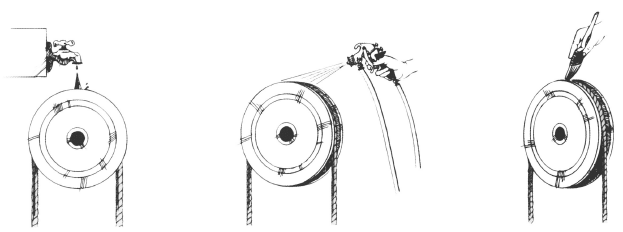
Lubrication helps reduce friction between the wires and strands. It also helps protect the rope against corrosion.
I recommend using a lubricant that is compatible with the rope and its working environment.
Check Drums and Sheaves
A good wire rope can wear quickly if the drum or sheaves are in poor condition.
| Component | What I Recommend Checking |
|---|---|
| Drum | Groove condition and rope winding |
| Sheaves | Groove wear and alignment |
| Rope guide | Correct positioning |
| Terminations | Proper installation and condition |
| Lubrication system | Correct lubricant application |
Replace the Rope at the Right Time
I never recommend waiting until a rope breaks before replacing it.
Operators should follow the applicable inspection standards, discard criteria, and equipment manufacturer’s instructions.
The number and distribution of broken wires, corrosion, deformation, diameter reduction, and other damage indicators all matter.
Conclusion
I manufacture rotary drilling rig wire ropes for hoist, auxiliary hoist, and crowd applications. At Aulone, I focus on suitable constructions, reliable quality, and customized solutions for demanding drilling projects.
If you are looking for a rotary drilling rig wire rope manufacturer in China, please contact me.
Website: www.wireropes.net
Email: info@wireropes.net