Underground mining puts wire rope under heavy loads, repeated bending, moisture, dust, impact, and abrasion. If I choose the wrong rope, wear can become faster and equipment downtime can increase.
For underground mining, I normally recommend wire ropes with high tensile strength, high breaking load, good fatigue resistance, and strong abrasion resistance. I select the construction according to the hoist, winch, drum, sheave, load, and underground working conditions.
I have found that many wire rope problems do not start with rope quality alone. The real problem can come from the wrong construction, poor spooling, small sheaves, insufficient lubrication, or an incorrect rope grade.
What Types of Wire Rope Are Commonly Used in Underground Mining?
Underground mines use many types of lifting, pulling, and hauling equipment. I do not use one wire rope construction for every machine.
The most common mining wire ropes include 6-strand ropes, 8-strand ropes, compacted strand ropes, rotation-resistant ropes, plastic impregnated ropes, and galvanized ropes. I choose the type according to load, bending frequency, abrasion, drum design, and corrosion conditions.
6-Strand Wire Rope
I often use 6-strand wire ropes for mining winches, pulling systems, hoists, and general heavy-duty equipment.
Common constructions include:
- 6×19
- 6×25
- 6×36WS
- 6×K31WS
- 6×K36WS
- 6×37
I normally recommend 6×19 when the rope needs stronger abrasion resistance.
I usually prefer 6×36WS or 6×K36WS when the rope bends frequently over drums and sheaves.
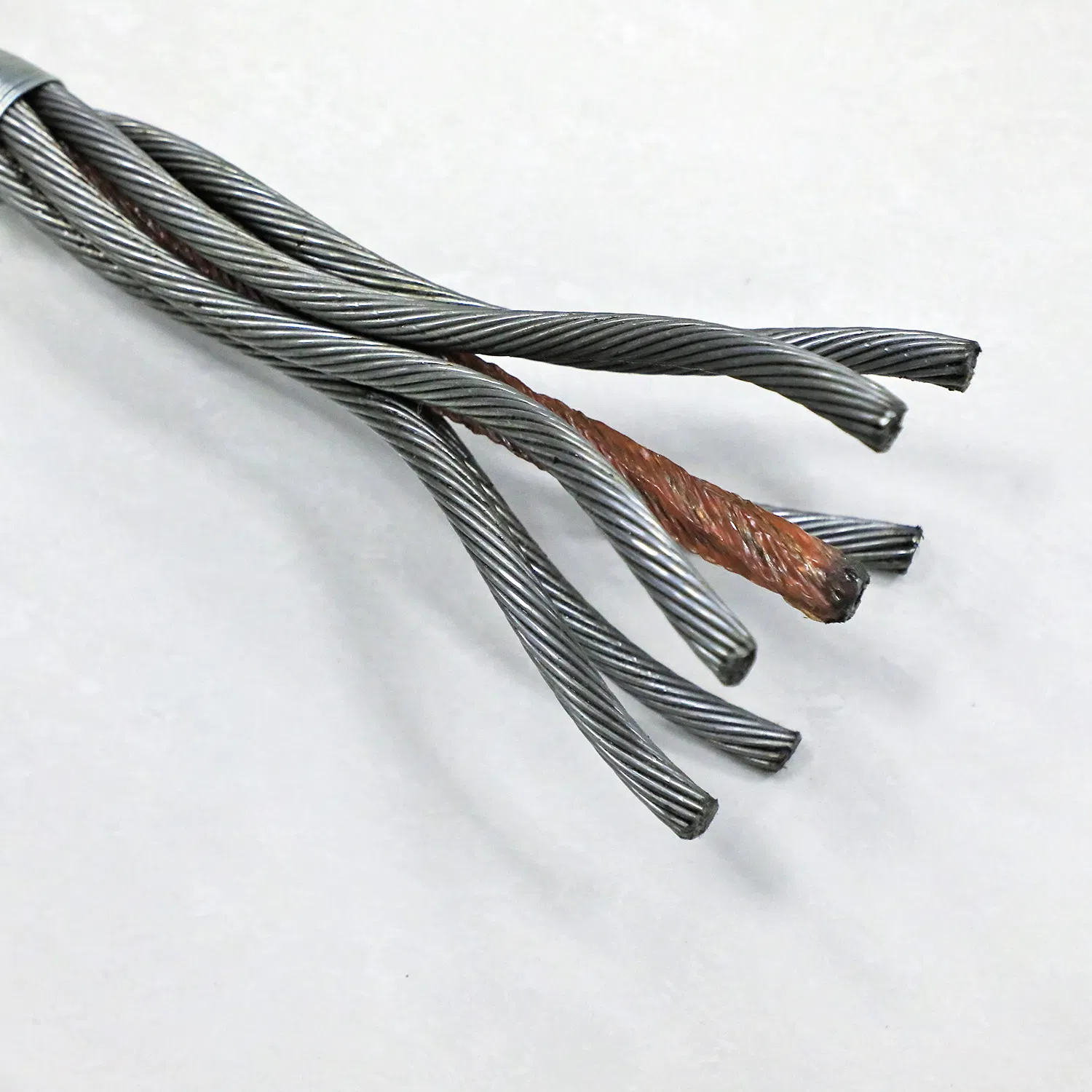
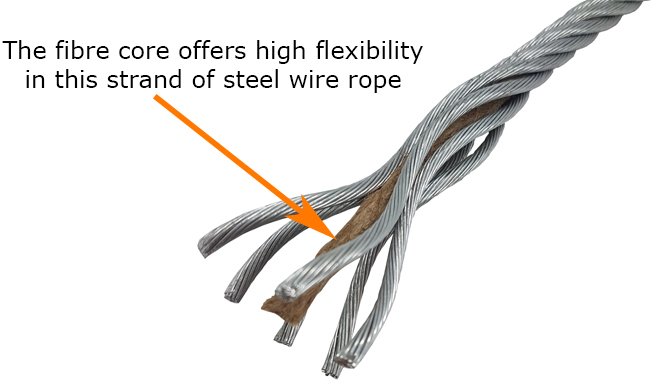
A steel core is also common in mining applications. I often use IWRC because it provides better support under high loads and helps the rope resist crushing.
| Rope Construction | Main Feature | Typical Application |
|---|---|---|
| 6×19 | Good abrasion resistance | Winches and pulling |
| 6×36WS | Good flexibility | Hoisting and lifting |
| 6×K36WS | Compacted and high strength | Heavy mining equipment |
| 6×37 | Flexible construction | General mining use |
8-Strand Wire Rope

I use 8-strand wire ropes when the application needs more flexibility and smoother contact with the drum.
An 8-strand rope has more outer strands than a standard 6-strand rope. This design can help improve bending performance.
Some mining applications use constructions such as:
- 8×K26WS
- 8×K36WS
- EP 8×K36WS-IWRC
- EP 8×K36WS-EPIWRC
I normally use these ropes for demanding mining machines where the rope works under high load and repeated bending.
Rotation-Resistant Wire Rope
I use rotation-resistant wire rope when the lifted load can rotate or when rope torque must be controlled.
Common constructions can include:
- 19×7
- 35W×K7
- Other multi-strand rotation-resistant designs
I do not automatically recommend a rotation-resistant rope for every mining machine.
I first check the application.
Some machines perform better with conventional 6-strand or 8-strand ropes.
How Do I Choose the Right Wire Rope for Underground Mining?
I never select mining wire rope only by diameter.
Two ropes can both be 32 mm or 52 mm, but their breaking loads and service life can be very different.
I choose underground mining wire rope by checking diameter, construction, tensile grade, minimum breaking load, core, lay direction, drum diameter, sheave diameter, bending cycles, corrosion, lubrication, end fittings, and operating conditions.
I Start With the Required Breaking Load
I first check the load that the rope must carry.
I then look at:
- Working load
- Minimum breaking load
- Safety factor
- Dynamic load
- Starting load
- Shock load
- Rope dead weight
Mining equipment often creates dynamic loads during starting and stopping.
For this reason, I do not use the normal working load alone when I recommend a rope.
I Check the Drum and Sheave
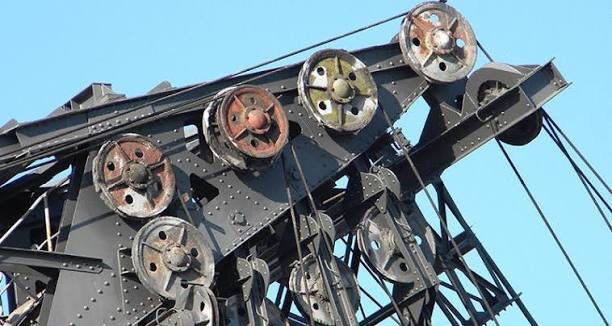
A wire rope bends every time it passes over a sheave or drum.
If the sheave is too small, the rope can suffer faster fatigue.
I usually ask the buyer for:
- Rope diameter
- Drum diameter
- Sheave diameter
- Number of rope layers
- Spooling method
- Bending frequency
These details can make a major difference in rope life.
I Check the Rope Lay
I also check the lay direction.
Typical options include:
- Right-hand regular lay
- Left-hand regular lay
- Right-hand Lang lay
- Left-hand Lang lay
I often use regular lay when the equipment needs stable rope behavior.
I consider Lang lay when the application needs better resistance to surface wear and repeated bending.
However, Lang lay can create more rotation tendency.
I always check the equipment requirement before I recommend it.
Why Is Compacted Wire Rope Useful in Mining?
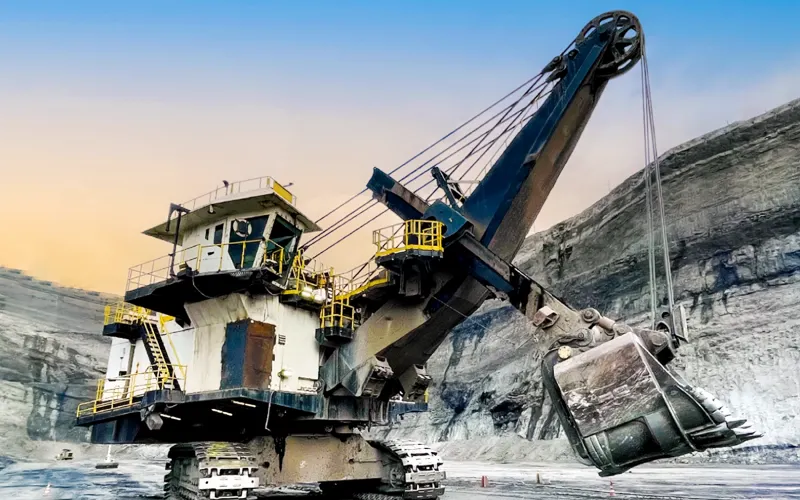
Mining wire rope often works under heavy pressure.
The rope may experience abrasion, bending, crushing, and multilayer drum pressure at the same time.
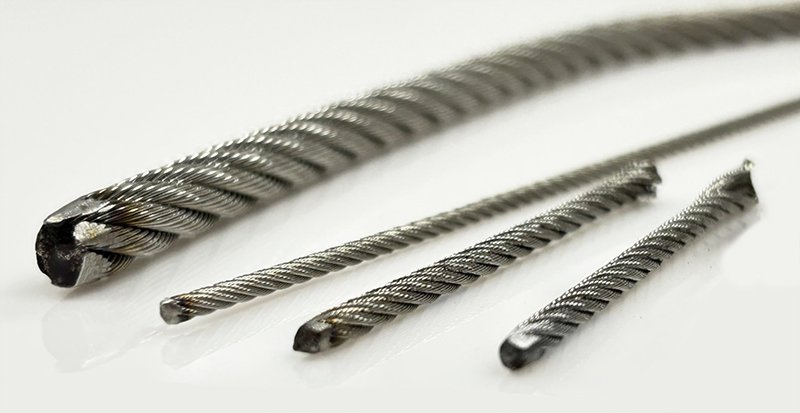
Compacted wire rope provides a smoother strand surface, higher metallic area, strong breaking load, better contact with drums, and improved resistance to abrasion and crushing. I often recommend it for demanding underground mining equipment.
Compacted Ropes Can Carry High Loads
The compacting process changes the shape of the outer wires.
The strands become denser.
This design can increase the metallic area of the rope.
As a result, I can often achieve a higher breaking load without making the rope much larger.
A Smoother Surface Can Reduce Local Pressure
A compacted strand has a smoother outer surface than many standard strands.
This surface can improve contact with the sheave groove.
I often consider compacted ropes for:
- Mine hoists
- Heavy-duty winches
- Multilayer drums
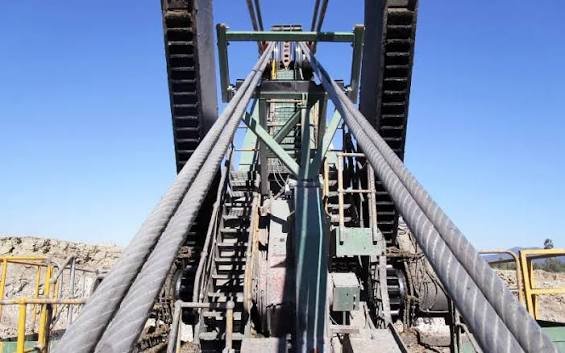
- Drag and haulage systems
- Large mining machines
Compacted Rope Can Resist Crushing Better
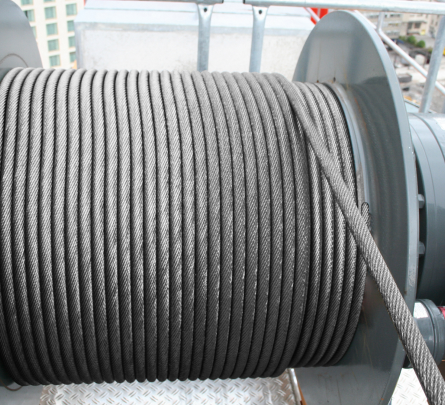
Crushing is a common issue on multilayer drums.
The upper rope layers can press strongly against the lower layers.
A compacted rope usually has a more stable structure.
This structure can help the rope resist deformation.
However, I still check the drum design.
A good wire rope cannot completely solve poor spooling.
When Should I Use Plastic Impregnated Wire Rope?
Internal wear can be difficult to see.
Steel wires and strands can rub against each other every time the rope bends.
I often consider plastic impregnated rope when the application has heavy bending, vibration, contamination, or crushing.
Plastic impregnated wire rope can reduce internal movement between strands and wires. It can also improve internal support and help protect the rope structure from dirt and contamination. I often use this design for demanding mining applications.
Plastic Can Support the Rope Internally
Plastic impregnation fills part of the space inside the rope.
This design can reduce internal movement.
It can also help the rope maintain a more stable structure.
I often consider plastic impregnation for:
- Mining shovels
- Heavy hoists
- Large winches
- Multilayer drums
- High-load pulling systems
Inspection Is Still Necessary
I never treat plastic impregnation as a replacement for inspection.
The rope can still suffer from:
- Broken wires
- Corrosion
- Diameter reduction
- Crushing
- Heat damage
- Mechanical damage
- Poor spooling
A strong inspection plan is still necessary.
Should I Use Galvanized Wire Rope Underground?
Some underground mines are dry.
Other mines contain water, humidity, chemicals, and corrosive conditions.
I check the environment before I choose the surface finish.
I recommend galvanized wire rope when corrosion resistance is important. The zinc coating helps protect the steel wire surface, but I still check breaking load, fatigue resistance, lubrication, and rope construction before I make the final selection.
Galvanizing Helps in Wet Conditions
I often consider galvanized rope for:
- Wet shafts
- High-humidity mines
- Areas with groundwater
- Coastal mining regions
- Outdoor storage
- Corrosive working environments
Galvanizing adds a layer of protection to the steel wires.
Lubrication Is Still Important
I do not treat galvanizing and lubrication as the same thing.
Galvanizing helps protect the steel surface.
Lubrication reduces friction between wires and strands.
A galvanized rope can still wear quickly if lubrication is poor.
What Tensile Strength Should I Choose for Mining Wire Rope?
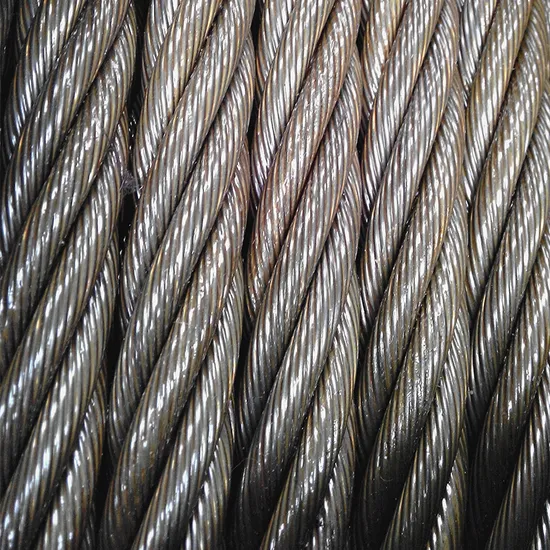
Mining buyers often ask me whether 1770 MPa, 1960 MPa, or 2160 MPa is better.
I do not choose the highest grade automatically.
I choose tensile strength according to the required breaking load, rope diameter, rope construction, fatigue demand, and equipment design. Common grades include 1770 MPa, 1960 MPa, and 2160 MPa. A higher tensile grade is not always the best choice.
1770 MPa
I use 1770 MPa when the required breaking load does not need a higher tensile grade.
This grade is common in many general industrial rope applications.
1960 MPa
I often recommend 1960 MPa for heavy-duty mining wire ropes.
It can provide a strong balance between breaking load and practical service performance.
2160 MPa
I consider 2160 MPa when the machine requires a high breaking load within a limited rope diameter.
However, I always confirm that the rope construction and equipment design are suitable.
| Tensile Grade | Typical Reason to Use It | Main Point I Check |
|---|---|---|
| 1770 MPa | Standard strength | Required MBL |
| 1960 MPa | Heavy-duty use | Strength and fatigue |
| 2160 MPa | High strength | Equipment and rope design |
How Important Is Minimum Breaking Load?
I consider minimum breaking load one of the most important values in a mining wire rope specification.
However, I never look at this number alone.
Minimum breaking load shows the minimum force that the rope should withstand during a breaking test. I compare this value with the working load, safety factor, dynamic loading, rope construction, and equipment requirement.
MBL Is Not the Working Load
This point is very important.
A rope with a minimum breaking load of 1,000 kN should not normally operate at 1,000 kN.
The safe working load must be lower.
The required safety factor depends on the application, machine, standard, and local mine regulations.
I recommend that the buyer confirms the final safety factor with the equipment engineer.
Breaking Tests Can Confirm Performance
For some projects, I can arrange third-party breaking load testing.
The buyer may ask for inspection or certification from organizations such as:
- BV
- DNV
- ABS
- RMRS
I always confirm the certification requirement before production.
Different certificates have different purposes.
Not every certificate applies to every rope construction or project.
What Certifications Should I Check for Mining Wire Rope?
Mining companies usually need technical documents before they approve a rope.
I prepare the documentation according to the project specification.
For mining wire rope, I normally check the manufacturing standard, mill test certificate, breaking load data, material information, inspection records, and required third-party certification. EN 12385-4 is a common standard for many steel wire rope applications.
EN 12385-4
EN 12385-4 is commonly used for stranded steel wire ropes for general lifting applications.
Many international buyers are familiar with this standard.
However, some mining projects use their own standards.
I always review the technical specification before production.
Third-Party Inspection
A buyer may request:
- Factory test certificate
- Mill test certificate
- Breaking load test
- Witnessed test
- Inspection certificate
- Product certificate
- Class certificate
I prefer to confirm these requirements during the quotation stage.
This approach helps me avoid delays later.
How Can I Improve Mining Wire Rope Service Life?
I do not believe that rope life depends only on the rope manufacturer.
Installation and maintenance can change rope life significantly.
I improve mining wire rope service life by selecting the correct construction, controlling installation, using the correct drum and sheave size, maintaining lubrication, preventing overload, controlling spooling, and inspecting the rope regularly.
I Check Installation Carefully
Incorrect installation can damage a new rope before normal operation begins.
I watch for:
- Kinking
- Rope twist
- Reverse bending
- Poor drum tension
- Incorrect winding direction
- Damaged end fittings
I prefer the rope to be installed under controlled tension.
I Check Spooling
Bad spooling can cause severe rope damage.
The rope can cross over itself.
The upper layer can crush the lower layer.
The rope can also cut into the adjacent turns.
Multilayer drums need more attention.
I Keep the Rope Lubricated
Lubrication can reduce friction.
It can also help protect the rope against corrosion.
I normally check:
- Temperature
- Dust level
- Water exposure
- Rope speed
- Existing lubricant
- Equipment requirements
I Inspect the Rope Regularly
I never recommend waiting until the rope looks badly damaged.
Regular inspections should check:
- Broken wires
- Corrosion
- Flattening
- Birdcaging
- Crushing
- Diameter loss
- Heat damage
- Local wear
- Rope distortion
The inspection interval depends on the working conditions.
A rope working every day under heavy load may need more frequent inspection than a rope used occasionally.
What Information Should I Provide for a Mining Wire Rope Quotation?
A complete inquiry helps me recommend the correct rope faster.
It also reduces the chance of technical mistakes.
For a mining wire rope quotation, I recommend providing diameter, construction, length, quantity, tensile grade, core, lay direction, minimum breaking load, coating, lubrication, end fittings, machine model, application, certificate requirements, and delivery location.
My Mining Wire Rope RFQ Checklist
| Information | Example |
|---|---|
| Diameter | 52 mm |
| Construction | EP 8×K36WS-IWRC |
| Tensile Grade | 1960 MPa |
| Core | IWRC |
| Lay | RH Lang Lay |
| Surface | Bright or galvanized |
| Length | 95 m |
| Quantity | 8 pcs |
| MBL | According to project |
| End Fitting | Socket, ferrule, or loop |
| Application | Mining hoist |
| Certificate | BV, DNV, ABS, or others |
If the buyer does not know the complete rope construction, I can start with the machine information.
I often ask for:
- Machine model
- Old rope certificate
- Technical drawing
- Rope nameplate
- Original specification
- Photos of the existing rope
This information can save a lot of time.
Can Mining Wire Rope Be Customized?
Mining equipment often uses special rope designs.
For this reason, standard stock ropes are not always suitable.
Yes. I can customize mining wire rope by diameter, construction, tensile grade, lay direction, lubrication, galvanized finish, plastic impregnation, cut length, reel size, end termination, marking, packaging, and inspection requirements.
I Can Customize the Rope Length
I can prepare:
- Full reels
- Cut lengths
- Individual assemblies
- Matched rope sets
I Can Supply Different End Fittings
Depending on the application, I can supply ropes with:
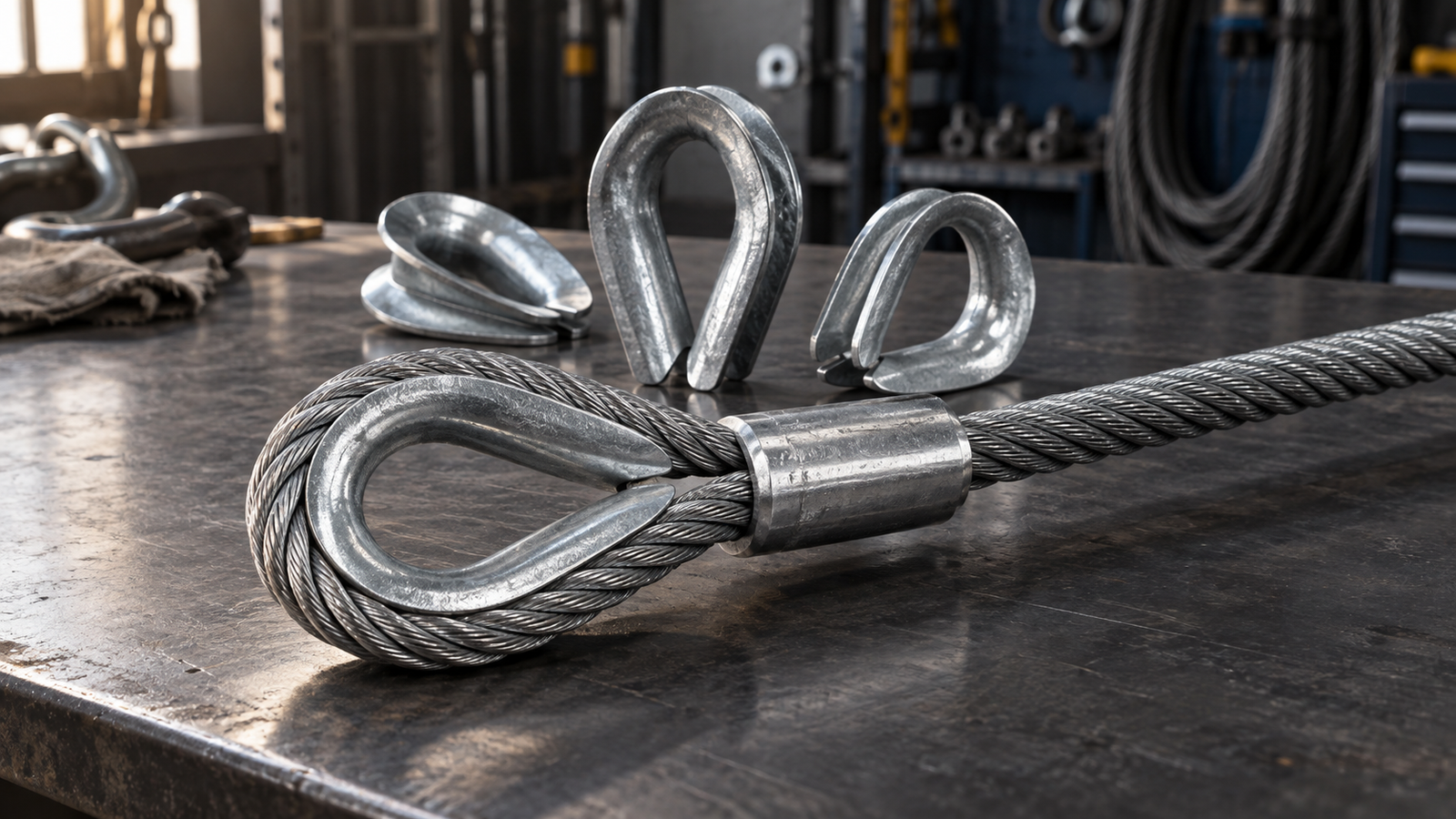
- Thimbles
- Pressed eyes
- Flemish eyes
- Sockets
- Ferrules
- Pulling loops
- Special mining fittings
If the fitting is special, I usually ask for a drawing.
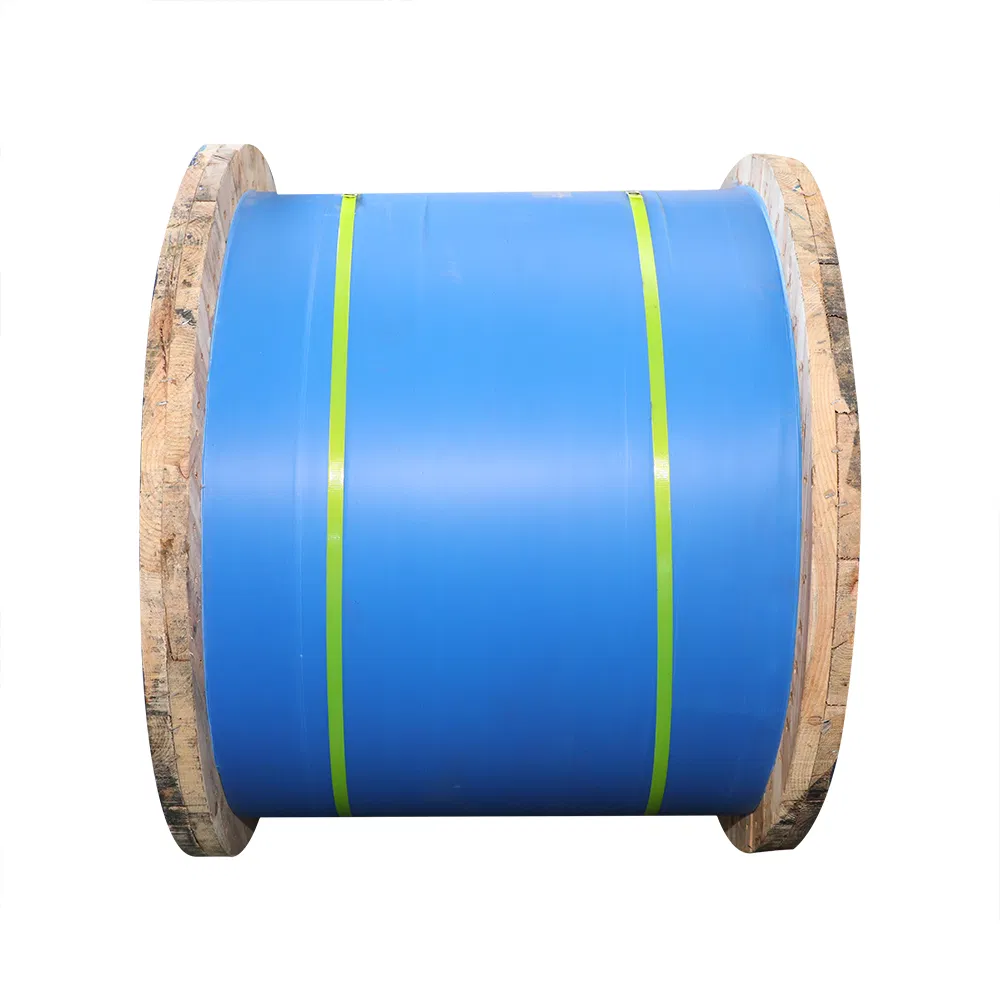
I Can Prepare Heavy-Duty Packaging
Large mining ropes are heavy.
The packaging must support the rope during transport and installation.
I can use:
- Steel reels
- Wooden reels
- Heavy-duty drums
- Protective wrapping
- Export packaging
I also check the reel dimensions when the rope must fit special handling or installation equipment.
Why Should I Avoid Choosing Mining Wire Rope Only by Price?
Price is important.
I understand that every purchasing team needs to control costs.
However, I do not believe the lowest purchase price always gives the lowest total cost.
A cheaper mining wire rope can become more expensive if it wears quickly, creates downtime, needs frequent replacement, or causes installation problems. I prefer to compare service life, construction, breaking load, maintenance, certification, and replacement cost.
For example, one rope may have a lower purchase price.
Another rope may cost more at the beginning.
If the second rope lasts much longer, the total cost can be lower.
The mine may also save money on:
- Installation labor
- Freight
- Maintenance
- Inspections
- Replacement work
- Machine downtime
When a buyer tells me that the old rope has a short service life, I do not immediately recommend a stronger rope.
I first check why the rope is wearing.
The cause may be the rope construction.
The cause may also be the drum, sheave, lubrication, or spooling condition.
I believe the best mining wire rope solution comes from looking at the whole system.
Conclusion
I choose underground mining wire rope by load, construction, fatigue, abrasion, environment, equipment design, certification, and expected service life instead of diameter or price alone.