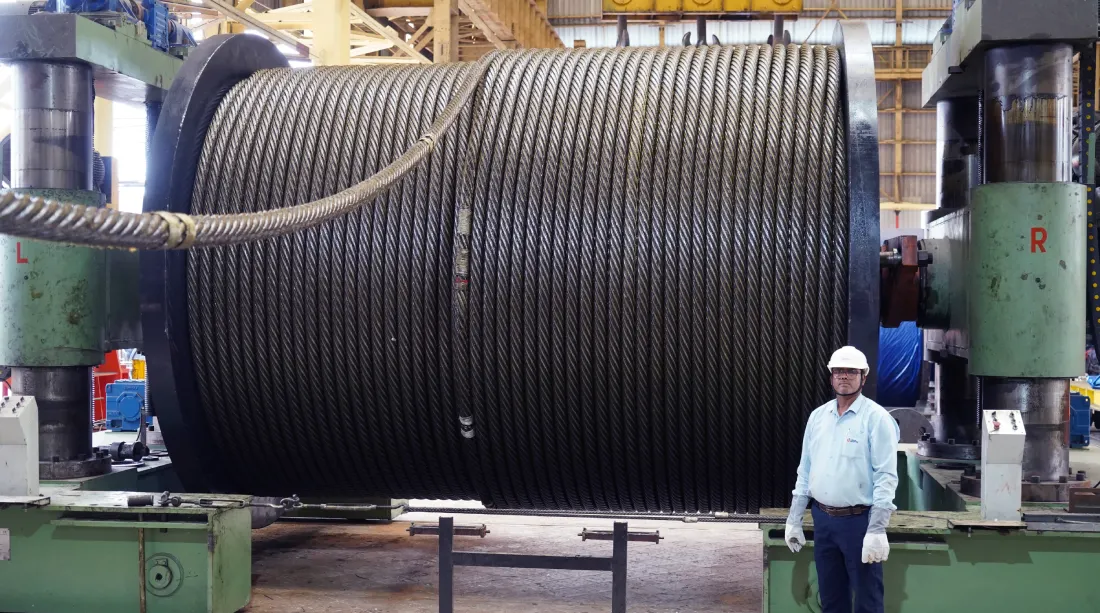
I do not want a new wire rope to arrive ready for work and deteriorate in storage. I prevent avoidable delays with a clear receiving and handling plan.
I keep wire rope reels dry, ventilated, supported, and secured against movement. I preserve identification, check packaging and rope condition, and arrange controlled payout. I follow the rope supplier’s instructions before accepting stored rope for installation.
I start planning before the shipment leaves the factory. A reel can pass through several teams before installation, and I want every handover to protect both the rope and its records.
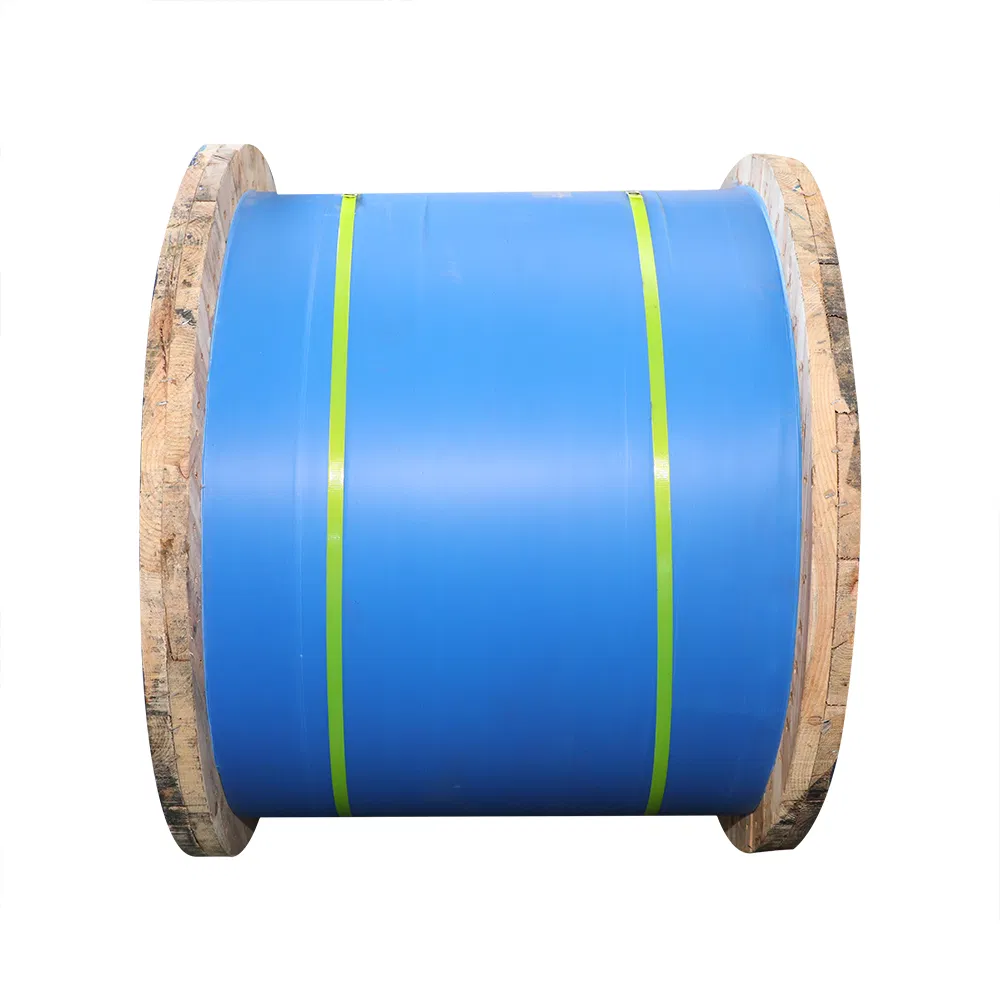
What Do I Check When a Wire Rope Reel Arrives?
I treat delivery as a technical handover, not just a count of packages. I want to find problems before the delivery evidence disappears.
I match the reel identification to the order and supplied documents. I record packaging damage, check accessible rope surfaces, and separate questionable material. I do not release a reel when its identity or condition remains uncertain.
I separate receipt from acceptance
I use two decisions in my receiving process. I first record that a package arrived. I then decide whether the material is ready for storage or needs review. I do not let a signed delivery note replace technical acceptance.
I photograph the whole package, its label, and any damaged area before the warehouse changes the wrapping. I include a date and reel reference in the record. I also retain the supplier’s dispatch photographs when available. This gives my team a useful starting point if a concern appears later.
I connect the physical reel to the paperwork
I compare the rope description with the approved purchase order. I check diameter, construction, core, grade, finish, lay, and ordered length where these apply. I ask the supplier to explain a mismatch instead of assuming that a similar description means an identical rope.
| What I record | Why I need it | What I do if it is unclear |
|---|---|---|
| Reel and batch references | I need a traceable identity | I hold the reel for confirmation |
| Order and rope description | I need the approved specification | I ask purchasing to resolve differences |
| Supplied certificate reference | I need matching documentation | I request the correct document |
| Arrival photographs | I need a condition baseline | I add clear close-up photographs |
| Storage location | I need to find the reel again | I assign a marked warehouse position |
I distinguish a missing document from a damaged rope. The first problem may be resolved through records. The second needs a technical condition review. I do not treat a certificate as proof that later transport damage cannot have occurred.
Where Do I Store Wire Rope Reels Safely?
I choose the storage position before the truck arrives. I do not want a heavy reel parked wherever the warehouse happens to have space.
I choose a clean, covered, ventilated location with suitable support and controlled access. I protect the rope from moisture and nearby work. I also confirm that the reel cannot roll or shift unexpectedly.
I check the location as a complete system
I use the supplier’s storage instructions as my technical baseline. Bekaert recommends keeping stored rope clear of the floor in a dry, ventilated, covered location. Its guidance also addresses floor capacity, stable support, and prevention of uncontrolled reel movement. I use these points when reviewing the proposed storage bay. Bekaert storage guidance
I ask the warehouse team to confirm the package’s total mass, not only the rope’s net mass. I want the support arrangement checked against the actual package. I do not assume that spare timber, an old pallet, or an empty-looking rack is suitable.
I consider the work around the storage bay
I look beyond the roof. I ask whether vehicles pass close to the reel, whether nearby cleaning creates spray, and whether workshop activities expose the area to debris. I want a designated storage place, not a temporary gap beside an active work area.
I also consider retrieval. I leave enough planned access for the approved handling equipment. I would rather reserve a practical route now than move several unrelated packages when a crane repair becomes urgent.
For my inventory record, I use a location code that the warehouse and purchasing teams share. I record each move. A well-protected reel still creates delays if nobody knows which bay holds the correct rope.
Can I Leave a Wrapped Wire Rope Reel Outdoors?
I do not judge storage protection by how neatly a reel is wrapped. I want to know what happens under that wrapping after rain or temperature changes.
I prefer indoor storage. When outdoor storage is unavoidable, I arrange supplier-approved weather protection, ventilation, drainage, and support. I check beneath accessible covers because a wrapped reel can still collect moisture and suffer deterioration.
I distinguish shipping protection from storage protection
I ask the supplier what the supplied packaging is designed to do. I explain the expected storage duration and local conditions before dispatch. A short journey followed by immediate installation is a different purchasing case from a long wait in an exposed yard.
I do not describe blue film, paper, or a timber reel as waterproof without evidence. I also avoid judging packaging from a product photograph alone. I request the actual packing description for my order.
I avoid trapping moisture
I follow verope’s advice to keep stored rope protected from dirt and humidity and to maintain ventilation beneath outdoor covers. Its guidance warns that condensation can cause corrosion and advises keeping the rope off the ground. I treat a cover as part of a storage arrangement, not as a complete solution. verope handling and storage guidance
I assign a person to review the cover after severe weather or a reported leak. I record what changed and what action followed. I do not create a calendar entry that nobody owns.
| Situation I expect | Question I ask before delivery |
|---|---|
| A long project delay | What storage protection does the supplier recommend? |
| An exposed yard | How will I provide shelter and ventilation? |
| Several warehouse transfers | How will I preserve the reel identity? |
| A remote installation site | Who will inspect the package on arrival? |
How Do I Move a Reel Without Damaging the Rope?
I want a handling plan before anyone attaches lifting gear. I do not treat a reel flange or storage cradle as an automatic lifting point.
I confirm the package mass, approved lifting arrangement, equipment capacity, and travel route. I keep handling equipment from damaging the rope. I use trained personnel and stop when the reel or its support appears unsafe.
I ask for the approved handling arrangement
I request a handling drawing or clear supplier instructions for a large or unfamiliar package. I want the team to know which parts support the load. I do not improvise a lift from the apparent strength of a flange.
I pay particular attention to cradles. Bekaert warns against lifting a reel by its cradle unless that cradle is specifically designed, identified, and rated for lifting. I keep this distinction in my receiving checklist. Bekaert reel and cradle precautions
I make the handover clear
I ask the handling team to confirm the destination before the move begins. I keep the route and landing area available. I want people outside the danger area and the package under the control of the responsible team.
I do not use this article as a lifting procedure. I rely on the site lifting plan, rated equipment, and competent personnel for the actual move. My purchasing role is to make sure the necessary package information arrives with the rope.
I record a dropped package, an impact, or a damaged flange as an event requiring review. I do not hide the event by replacing the wrapping. I preserve the evidence and ask for an assessment before further handling or installation.
How Do I Check Stored Rope Before Releasing It?
I do not assume unused rope remains unchanged. I want a clear record of its storage condition before the installation team accepts it.
I review storage records, identification, packaging, and accessible rope condition. I arrange competent inspection before use. I isolate reels with unresolved damage or corrosion concerns and seek rope-specific advice instead of approving them from appearance alone.
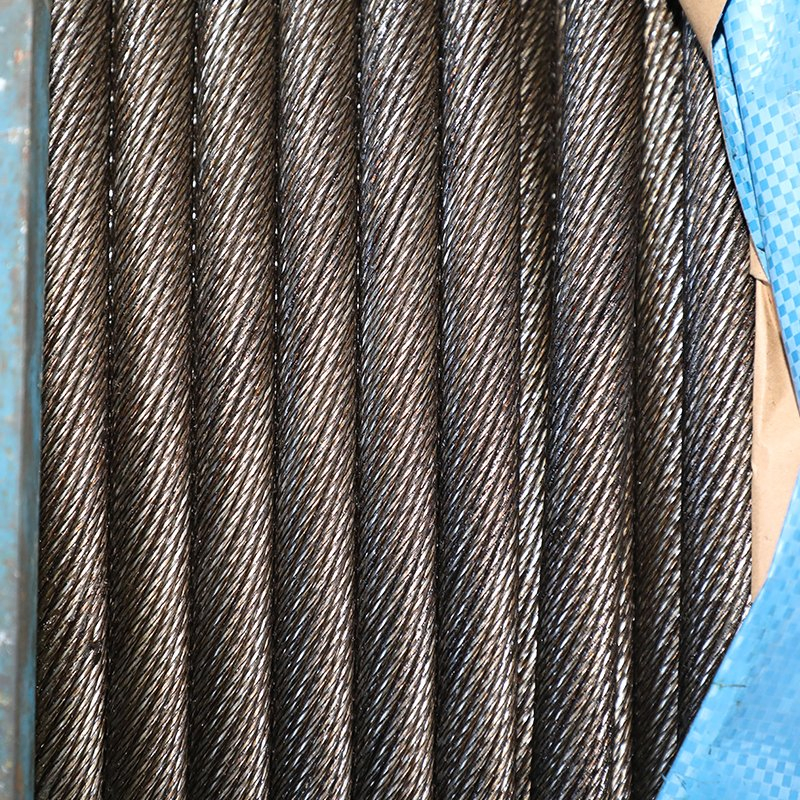
I give the inspector useful evidence
I provide the original receiving record, storage location history, and any exposure reports. I include photographs of damage or wet packaging. I want the inspector to understand the history rather than see only a clean outer layer on inspection day.
I ask the supplier to define the storage inspection interval for the rope and environment. I do not publish one universal interval for every climate and package. I also request advice after an unusual event rather than waiting for the next planned check.
I keep cleaning separate from acceptance
I do not apply lubricant to conceal a concern. I ask whether cleaning or dressing is appropriate and which product is compatible. I retain the product name and application record when the supplier recommends treatment.
I use a simple status system in the warehouse. I distinguish material available for release from material awaiting documents and material held for condition review. I keep the status visible in both the physical storage area and the inventory record.
| Finding I receive | Decision I make |
|---|---|
| The label no longer matches the records | I hold the reel until identity is established |
| The packaging is wet or damaged | I record the condition and request assessment |
| The rope shows a suspected defect | I prevent installation pending competent review |
| The records and inspection support release | I document who approved the handover |
How Do I Prepare the Reel for Controlled Payout?
I consider payout part of the installation plan. I do not let an urgent repair turn a carefully stored reel into an uncontrolled source of twists.
I use the approved reel stand and payout method, maintain control of the rope, and follow the equipment manufacturer’s installation instructions. I do not pull rope over the side of a stationary reel or improvise payout tension.
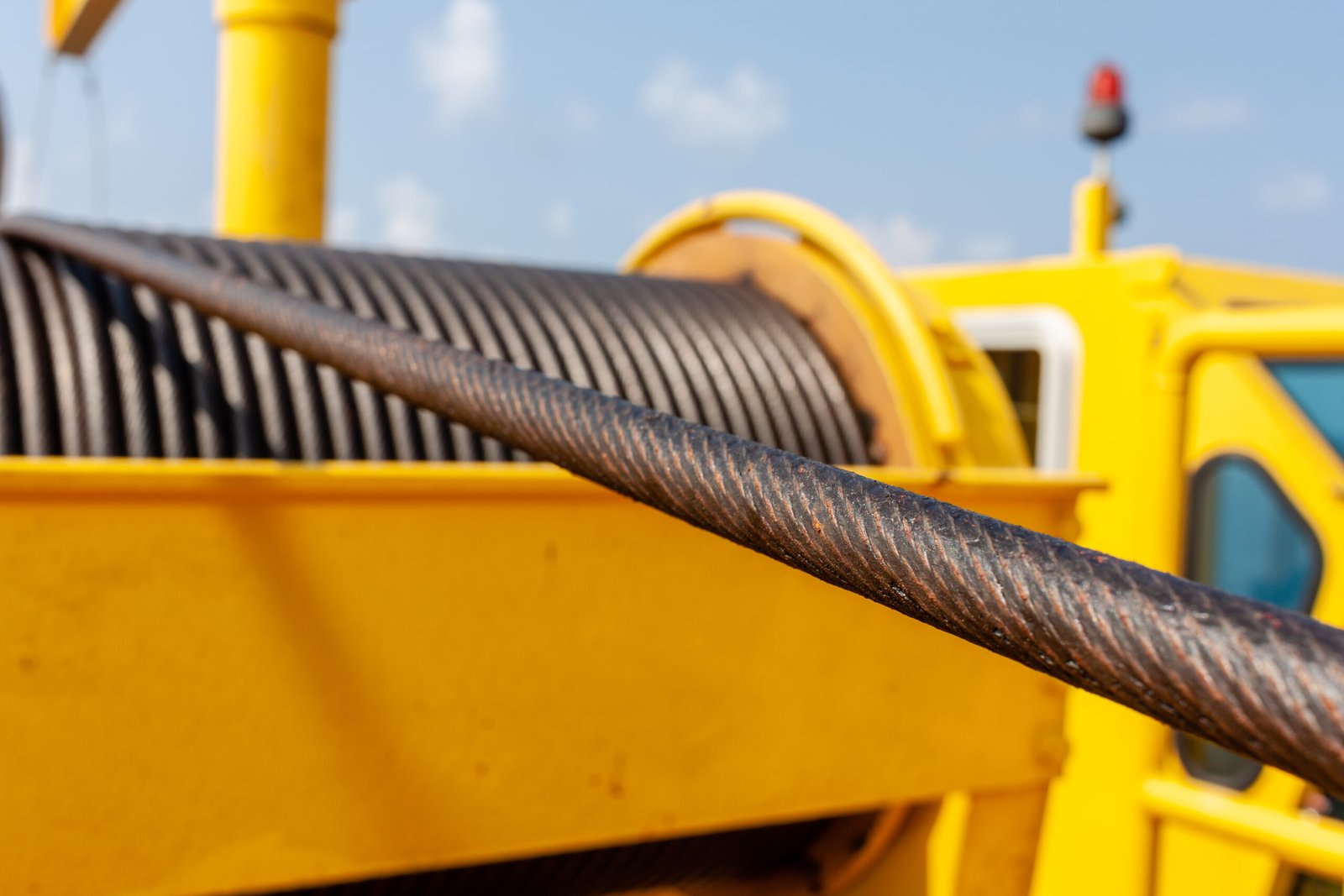
I confirm the setup before opening the package
I check that the installation team has the correct reel, the approved instructions, and suitable payout equipment. I ask who controls the reel and who communicates a stop. I keep packaging removal within that planned sequence.
I follow CERTEX’s warning that opening packaging without controlling the rope can injure personnel. Its guidance also warns against pulling rope from a stationary reel because of kinking. I refer the team to the rope-specific method rather than supplying a generic tension value. CERTEX handling and payout guidance
I protect the rope’s construction
I arrange extra care for rotation-resistant and other special ropes. Assembly Specialty explains that introducing or removing twist can disturb their load-sharing structure. I therefore ask the supplier about the correct change-out method instead of treating all ropes alike. Assembly Specialty installation guidance
I also confirm the specified diameter before installation. I keep my wire rope diameter measurement guide available as supporting reading. I still use the approved equipment specification and supplier tolerances for acceptance.
What Do I Put in the Purchase Order to Prevent Storage Problems?
I find it easier to agree on packaging and records before production. I do not want the warehouse to solve missing requirements after arrival.
I specify the delivery length, reel requirements, package mass information, identification, documents, storage conditions, and handling instructions. I also name the people responsible for receiving, storage review, and release to the installation team.
I describe the destination, not only the port
I tell the supplier whether the rope will go straight to installation or remain in stock. I explain any outdoor storage, limited handling equipment, or difficult access. I request a packing proposal that reflects those conditions.
I ask for dimensions and gross mass early enough to check unloading arrangements. I also request readable labels and digital document copies. I want the person receiving the package to have the same specification as the person who placed the order.
I compare the complete offer
I compare packaging, documentation, handling support, and delivery readiness alongside the price per metre. I do not assume two offers include the same work. I ask each supplier to state exclusions clearly.
For an Aulone enquiry, I would include the application, approved rope specification, required length, destination, and expected storage period. I would also describe the available unloading equipment. I can then discuss the packing and document requirements against a clear order scope.
I keep the final agreed requirements with the purchase order. I do not rely on scattered messages that the receiving team cannot find. I want one approved reference that follows the reel from dispatch through installation.
Conclusion
I protect wire rope before installation by planning receipt, storage, handling, and release together. I use clear records and rope-specific instructions to avoid preventable damage.